TSA Agents Skip Work, Flights Delayed Amid DHS Shutdown
TSA agents are skipping work and quitting their jobs due to missed paychecks during the DHS shutdown, causing significant delays at airports nationwide. Airline CEOs are urging Congress to act, while passengers face hours-long waits and express frustration over the operational disruptions.

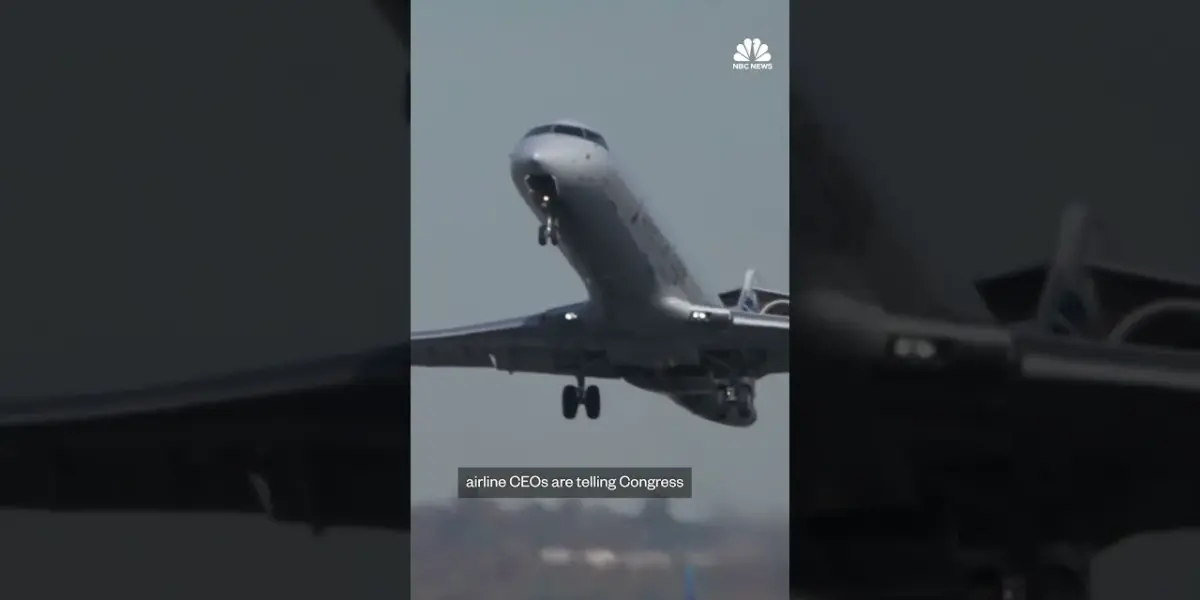
TSA Agents Miss Pay, Leading to Airport Delays and Staff Shortages
Air travelers at major airports are experiencing significantly extended wait times as Transportation Security Administration (TSA) agents, unpaid due to the Department of Homeland Security (DHS) shutdown, are increasingly absent from their posts. The situation has escalated to the point where airline CEOs are urging Congress to take immediate action to reopen the DHS and ensure consistent pay for TSA personnel, even during future government shutdowns.
Atlanta Airport Sees Significant Wait Times
At Hartsfield-Jackson Atlanta International Airport, a typically bustling hub, checkpoint wait times have reached unprecedented levels. While 18 minutes was reported as the best-case scenario for an afternoon, passengers have been observed waiting for 20, 40, and even up to 60 minutes at various security checkpoints throughout the day. This surge in delays is directly attributed to a growing number of TSA agents not reporting for duty.
Agents Seeking Alternative Employment Amidst Unpaid Leave
The core of the issue lies in the financial strain placed upon TSA agents who are not receiving their regular paychecks during the DHS shutdown. Many agents, facing mounting bills and financial insecurity, have resorted to seeking alternative employment to make ends meet. This has resulted in a significant number of absences, further exacerbating the staffing shortages at security checkpoints.
Hundreds Resign, Exacerbating Staffing Crisis
The problem is compounded by the fact that approximately 300 TSA agents have reportedly resigned from their positions altogether. These departures represent a substantial loss of experienced personnel, leaving the agency even more stretched and less equipped to handle the daily volume of air travelers. The long-term impact of these resignations on airport security and efficiency remains a significant concern.
Airline CEOs Appeal to Congress for Resolution
In response to the escalating crisis, airline chief executive officers have formally communicated their concerns to Congress. They are demanding a swift resolution to the DHS shutdown and advocating for legislative measures that guarantee TSA agents receive their paychecks without interruption, regardless of government funding status. The airline industry, heavily reliant on efficient airport operations, is bearing a significant brunt of these disruptions.
Passenger Frustration and Understanding
The extended wait times have inevitably led to frustration among travelers. Many passengers expressed their disappointment and anger with the current state of government operations, feeling that the public is being made to suffer due to political decisions. One traveler stated, “I’m extremely angry. I’m like I just think I’m I’m really disappointed at just the way our country is operating and why we feel like we have to suffer as a result of just the decisions that are being made.”
However, a degree of understanding and resilience is also evident. Many passengers are proactively arriving at airports earlier than usual, anticipating the delays. Some acknowledge the difficult position TSA agents are in, with one traveler commenting, “Just appreciate those that are still with TSA remaining on on the job. So yeah, I I can wait just for the safety and…” This sentiment highlights a recognition of the agents’ dedication despite the challenging circumstances they face.
Broader Implications and Future Concerns
The current situation at airports serves as a stark reminder of the critical role TSA agents play in national security and the seamless functioning of air travel. The reliance on unpaid labor has proven to be an unsustainable model, leading to a predictable decline in service quality and an increase in operational challenges. The resignations also raise questions about the long-term recruitment and retention strategies for vital security personnel.
Looking ahead, the ongoing shutdown and its impact on TSA staffing could have lasting consequences. If not addressed promptly, the agency may face further attrition, potentially leading to chronic understaffing and a permanent reduction in efficiency. The airline industry and the traveling public will continue to monitor the situation closely, hoping for a swift and effective resolution that prioritizes both national security and the well-being of essential government workers.
What to Watch Next
The focus will remain on the ongoing negotiations in Congress regarding the DHS funding and the broader implications for government shutdowns. Any legislative action to ensure TSA agent pay, or a resolution to the shutdown itself, will be critical in alleviating current airport delays. The number of TSA agents continuing to report for duty and any further resignations will also be key indicators of the evolving situation.
Source: Air travelers face extended waits as TSA agents miss pay during DHS shutdown (YouTube)

Related Articles
TSA Workers Get Paid After Record Absences
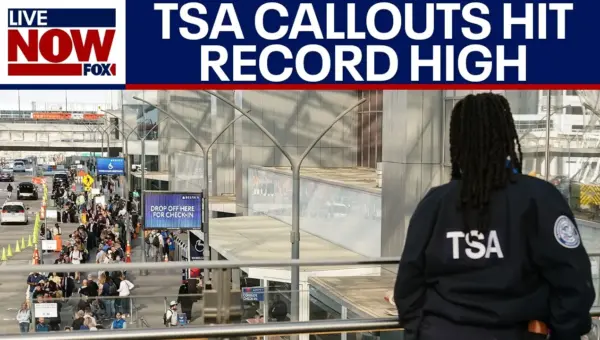
TSA agents will finally receive paychecks after working nearly six weeks without salary, following a directive from President Trump. Record high absences had strained airport operations and caused significant passenger delays. The situation has sparked calls for better protections for essential workers during government shutdowns.
House Republicans Reject Senate Deal, Sparking Government Funding Clash
House Republicans have rejected a Senate bill to end the government shutdown, citing insufficient border security measures. Congressman Randy Fine called the Senate deal a "disgrace" and highlighted the ongoing fight for full government funding. President Trump's executive order to pay TSA agents offers temporary relief, but the core disagreement over border security continues to paralyze Washington.


Tiger Woods Arrested for DUI After Crash
Golf legend Tiger Woods was arrested for DUI in Florida following a dramatic rollover crash. Meanwhile, a government shutdown continues as House Republicans block a Senate deal, leading to airport chaos and TSA worker pay issues. The stock market also plummeted into correction territory amid fears of a prolonged Iran conflict.