Ukraine’s Drone Swarms Spark Russian Fears of Collapse
Russian military bloggers and a UN report reveal growing concerns over Ukraine's innovative drone tactics and the brutal disciplinary measures within the Russian army. The potential for a Ukrainian breakthrough is increasing as drone swarms overwhelm defenses and Russian soldiers face dire conditions.

Ukraine’s Drone Swarms Spark Russian Fears of Collapse
For the first time in a significant period, a palpable sense of concern is emanating from the Russian military regarding the potential for a large-scale Ukrainian breakthrough on the front lines. This unease appears to be fueled by two primary factors: the remarkable innovation in Ukrainian drone technology and tactics, and a concerning degradation in the quality and morale of Russian soldiers at the front.
The Drone Revolution on the Ukrainian Side
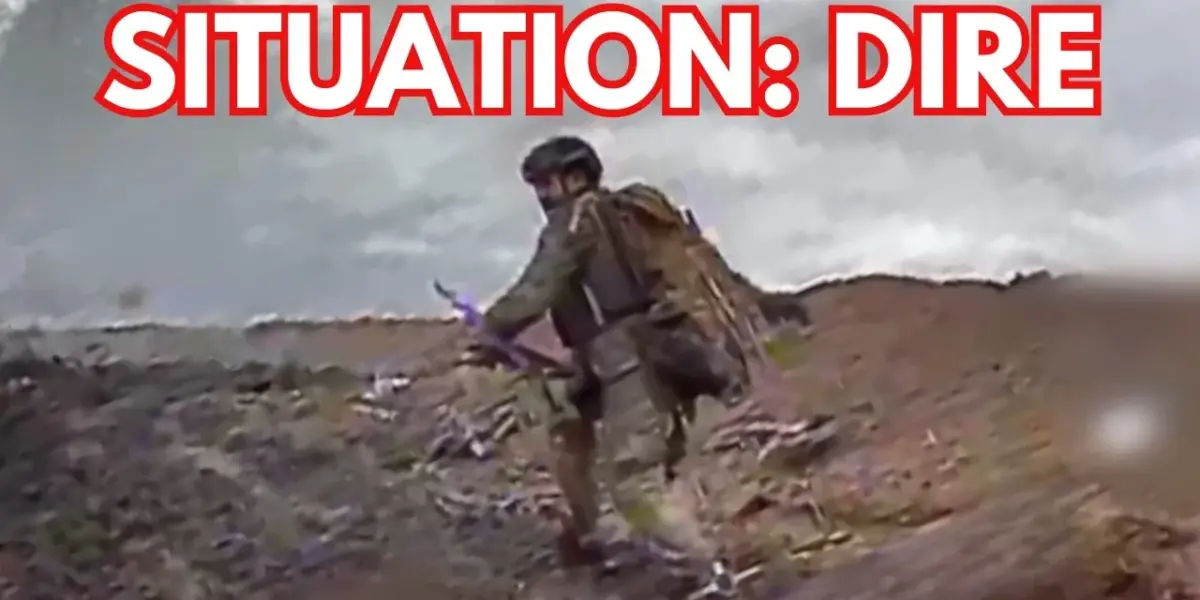
Ukrainian drone warfare has evolved beyond mere technological advancements; it’s the innovative employment of these systems that is proving particularly disruptive. Reports suggest a sophisticated approach to drone deployment, including advanced fiber-optic guidance, adaptive frequency hopping for radio-controlled drones, and the use of “mother ships” for extended operations. A Russian military blogger, identified as German Sedv, paints a stark picture: “The situation on the front line is very dire. The enemy, Ukraine, has regained superiority in the lower sky. There are more drones and their quality has changed again… Our electronic warfare system is not helping. And even drone detectors are not giving alerts. The enemy is flying in swarms of several hundred drones using AI.”
While the extent of AI utilization in actual drone control remains to be fully confirmed, the sheer volume and coordinated deployment of drones are undeniable. The concept of “swarming,” where hundreds of drones operate in concert, is overwhelming Russian defenses. This innovation is not merely about overwhelming numbers; it’s about a strategic expansion of the “kill zone.” Ukrainian forces are reportedly isolating front-line areas, making logistics, resupply, and the evacuation of wounded incredibly perilous. This isolation is often followed by drone attacks, enabling Ukrainian forces to recapture positions and creating the very real risk of a large-scale breakthrough that has Russian observers deeply worried.
The “Rolling Barrage” Tactic and Expanded Kill Zones
A key tactic emerging from Ukraine involves a “rolling artillery barrage” effect, achieved through massed drone deployments. This strategy focuses on a narrow area, neutralizing all opposition within that “box” before advancing. As the drones move forward, Ukrainian soldiers follow, effectively advancing under a continuous drone-led assault. This tactic, reminiscent of World War I’s artillery barrages but adapted for modern warfare, has drawn significant attention and concern from Russian military circles. They reportedly fear a repeat of the territorial losses seen in the fall of 2022, with some suggesting the potential for an even more devastating defeat this time.
The Telegraph has highlighted this evolving drone campaign, noting that it has “expanded the kill zone three-fold in some areas,” transforming previously safe rear areas into deadly no-go zones. The objective is to cripple Russia’s ability to sustain offensive operations by making it impossible to move men and equipment forward effectively. This has been evident in the rapid destruction of attempted Russian armored assaults, which are quickly targeted by massed Ukrainian drone fire. The result is a shift in Russian tactics, with individual soldiers increasingly attempting to advance on foot, a testament to the danger posed by Ukrainian drone superiority.
The range of Ukrainian drone strikes has also dramatically increased. Reports indicate strikes are now reaching targets up to 93 miles (approximately 150 km) away, a significant increase from around 31 miles (50 km) just weeks prior. This expansion means that virtually all Russian-occupied territory within Ukraine is now within range of Ukrainian drone attacks, severely impacting logistics, command centers, and air defense assets.
The Human Cost: A UN Report on Russian Atrocities
Compounding the battlefield challenges is a disturbing United Nations Human Rights Council report detailing the brutal treatment of Russian soldiers. The report, based on interviews with 85 Russian deserters, reveals that 61 experienced or witnessed “violent, cruel, and inhuman treatment” ordered by commanders against subordinates. These punishments often result in death, serious injury, or severe trauma.
The report outlines severe disciplinary measures, including “shoot on the spot” orders for soldiers withdrawing without permission, even if they are injured, out of ammunition, or lacking food and water. Soldiers describe being treated as “cannon fodder” or “disposable material,” sent on “meat assaults” without adequate training, equipment, or support. The psychological impact of witnessing such brutality, coupled with the constant threat of being killed by their own side for attempting to survive, is immense. These accounts paint a grim picture of a military seemingly held together by fear and coercion rather than morale and effective leadership.
Testimonies include descriptions of soldiers being detained in “inhuman conditions” in basements, pits, or cages, often without food or water. Practices like mock executions, severe beatings, and even being tied to trees have been reported. The report suggests that this systemic brutality is not a new phenomenon but has intensified as Russia has had to draw upon a wider pool of conscripts and convict soldiers. The psychological toll on these soldiers, both those who survive and those who are eventually demobilized, is likely to have long-lasting repercussions on Russian society.
Why This Matters
The confluence of advanced Ukrainian drone capabilities and the documented degradation of Russian military discipline and morale presents a critical inflection point in the conflict. Ukraine’s ability to innovate and adapt on the battlefield, particularly in drone warfare, is directly challenging Russia’s established military doctrine and technological superiority in certain areas. The expanded kill zones and the disruption of Russian logistics are not just tactical victories; they are strategic blows that undermine Russia’s capacity to sustain its war effort.
Furthermore, the UN report offers a stark look at the internal pressures within the Russian military. The extreme measures taken to enforce discipline suggest a deep-seated lack of confidence in the fighting ability and loyalty of Russian troops. This internal rot, characterized by fear, corruption, and brutal coercion, is inherently unsustainable and could, over time, lead to further collapses in unit cohesion and combat effectiveness. While a widespread mutiny may not be imminent, the increasing likelihood of individual or small-group insubordination cannot be discounted.
Implications, Trends, and Future Outlook
The current trajectory suggests a continued escalation in drone warfare, with Ukraine likely to further refine its swarm tactics and expand the reach of its aerial attacks. Russia faces an urgent need to develop effective countermeasures, but its current electronic warfare and drone detection systems appear to be lagging behind Ukrainian advancements. This technological gap could widen, further enabling Ukrainian offensive operations.
The human element within the Russian military remains a significant vulnerability. The reported atrocities, while horrific, highlight a military struggling with morale and discipline. As these soldiers, if they survive, eventually return to Russian society, the stories of their experiences and the brutal treatment they endured could contribute to broader societal disillusionment. The long-term sustainability of Russia’s military operations is increasingly being called into question, not just by external pressures but by internal systemic rot.
Historical Context
The current reliance on drones and the concept of expanded kill zones echo historical military strategies, albeit with vastly different technological underpinnings. The “rolling barrage” tactic, while mentioned in relation to World War I, is a testament to the enduring principle of overwhelming enemy positions with sustained, coordinated fire. However, the application of this principle through autonomous or semi-autonomous drone swarms represents a significant leap forward, blurring the lines between human control and automated warfare.
The United Nations report on the treatment of soldiers also draws parallels to historical instances of severe disciplinary measures in armies throughout history. The use of extreme violence, summary executions, and inhumane confinement as tools of control has been a feature of many military campaigns, particularly those facing significant challenges in morale and manpower. However, the fact that such practices are being documented in the 21st century, amidst a conflict involving major global powers, is a sobering reminder of the persistent brutality that can accompany warfare.
The video transcript also included a segment thanking donors for providing vehicles and a tow truck to Ukrainian units, highlighting the ongoing support from international volunteers and organizations.
Source: Russian Warning "Risk of Large Ukrainian Breakthrough" (YouTube)

Related Articles

Ukraine Strikes Cripple Russian Oil Exports
Ukrainian drone strikes are crippling Russia's oil exports and damaging its economy, leading to falling domestic support for President Putin. The targeted attacks on refineries and terminals aim to cut off war funding and have significant geopolitical consequences.

Russia’s TV Dreams of Dividing Europe
Russian state television broadcasts increasingly aggressive rhetoric, discussing the division of Europe and dismissing Ukraine's statehood. This contrasts with battlefield realities and official diplomatic stances, highlighting a dual strategy of projecting strength and seeking geopolitical advantage. Analysts warn that these televised fantasies ignore the ongoing war and Ukraine's fight for sovereignty.

Ukraine Strikes Russian Oil Hubs, Straining War Funding
Ukraine's repeated strikes on Russian oil export terminals are targeting the financial backbone of Moscow's war machine. These attacks aim to cripple Russia's revenue streams and force a costly defense of its energy infrastructure, creating significant economic and political pressure on the Kremlin.