US Strikes Iran: Oil Prices Surge Amid Global Supply Fears
The U.S. has launched strikes against Iran, causing the largest oil supply disruption in history and sending oil prices soaring. President Trump declared military victory but acknowledged the fight must continue, as global attention focuses on the threatened Strait of Hormuz.

US Launches Strikes on Iran, Oil Prices Skyrocket
In a dramatic escalation of geopolitical tensions, the United States has launched significant strikes against Iran, targeting its primary oil hub and leading to the largest oil supply disruption in history. The conflict, now entering its third week, has sent shockwaves through global markets, with oil prices surging past $100 a barrel and fears mounting over the stability of international shipping lanes.
President Trump Declares Military Victory, but Conflict Lingers
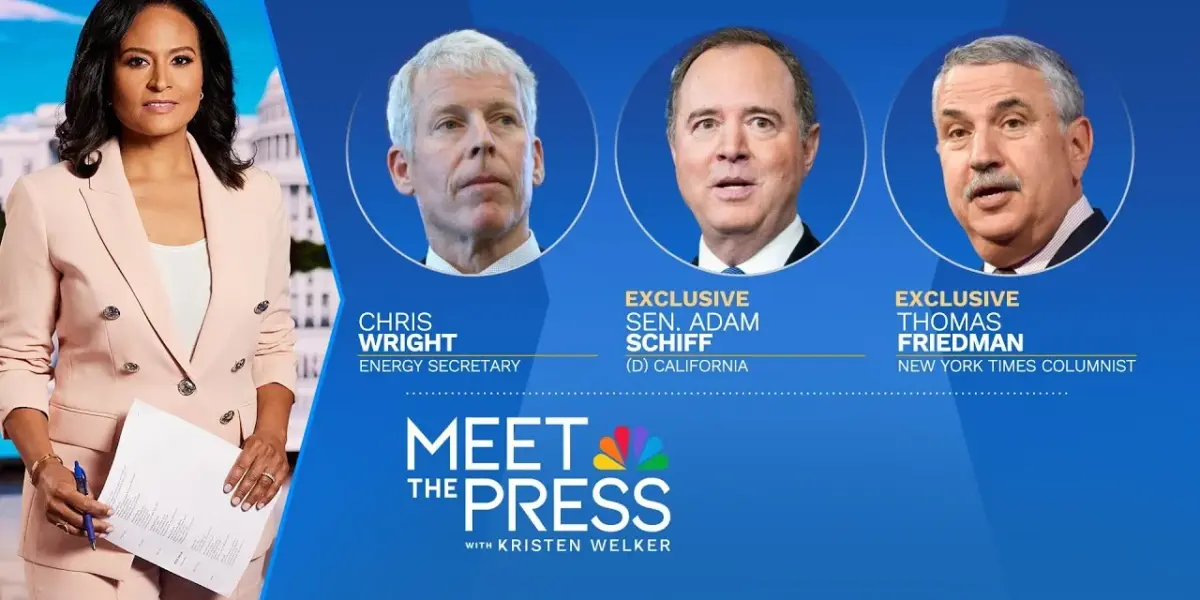
President Trump, in an exclusive interview with Meet the Press host Kristen Welker, declared that Iran has been “completely defeated militarily.” He indicated that Tehran is ready to negotiate a deal, though the terms are currently unsatisfactory. Despite this assertion of victory, the President also acknowledged that the fight must continue, stating, “We don’t want to leave early, do we? We’ve got to finish the job, right?” This dichotomy highlights the complex and evolving nature of the conflict.
“If you ask Donald Trump if it was the end of the war or the beginning, he says it’s both,” Welker reported.
Strait of Hormuz Under Threat, Global Energy Supplies at Risk
A major focal point of the conflict is the Strait of Hormuz, a critical chokepoint for global oil transit. Iran has effectively shut down shipping traffic, prompting the U.S. to take action. The U.S. is collaborating with international partners to secure the strait, though the threat of Iranian mining operations remains a significant concern.
Energy Secretary Chris Wright addressed the situation, stating, “After the conflict is over, you’ll start to see prices come back down.” However, he cautioned that Iran’s actions would continue to impede flow through the Strait of Hormuz. Secretary Wright projected that the conflict and its immediate aftermath could lead to elevated prices for “a few more weeks,” but ultimately, the U.S. aims to remove Iran as the greatest risk to global energy supplies.
Regarding gas prices, Secretary Wright expressed confidence that they could return to below $3 a gallon by the busy summer travel season, though he acknowledged, “There’s no guarantees in war.” He also detailed efforts to mitigate price increases, including a coordinated release of 400 million barrels of oil with over 30 nations and new oil production coming online in California.
International Cooperation and Geopolitical Tensions
President Trump has reached out to several countries, including China, Japan, the UK, France, and South Korea, to enlist their help in securing the Strait of Hormuz. Secretary Wright confirmed that dialogue with these nations is ongoing and that the world would be united in reopening the strait, with significant support expected from Asian nations heavily reliant on the waterway.
The potential involvement of China, a strategic partner of Iran, has drawn attention. The U.S. remains in dialogue with China, recognizing its importance in the global economy and its vested interest in the free flow of oil through Hormuz.
Debate Over Preparedness and War Strategy
Critics, such as Democratic Senator Adam Schiff, questioned the administration’s preparedness and the clarity of the war’s objectives. Senator Schiff argued that the President had not been fully transparent with the American people about the costs and duration of the conflict. He expressed skepticism about the timeline for resolution and the potential for international cooperation in securing the Strait.
“We still don’t hear from the secretary, don’t hear from the president what the real cost of this will be, how long it will go on,” Schiff stated. “Already we spend billions and billions of dollars and have lost 13 service members as a result of the war, and we still haven’t heard a clear articulation of why we’re at war.”
New York Times columnist Thomas Friedman offered a nuanced perspective, describing the conflict as a struggle between the “power of the strong versus the power of the weak.” He highlighted the U.S.’s military might against Iran’s ability to disrupt critical global energy flows.
Economic and Political Ramifications
The war’s impact extends beyond energy prices, affecting the broader economy and political landscape. Senator Schiff criticized the administration’s decision to temporarily lift sanctions on Russian oil, arguing it effectively rewards Russia while punishing Ukraine and exacerbates the pain at the pump for Americans.
The conflict also raises questions about domestic priorities. Senator Schiff pointed out that the billions spent on the war could have been invested in domestic needs like hospitals, schools, and healthcare. The ongoing partial government shutdown, affecting the Department of Homeland Security, adds another layer of complexity to the nation’s security concerns amidst these international crises.
Looking Ahead
As the conflict with Iran continues, all eyes remain on the Strait of Hormuz and the trajectory of oil prices. The administration faces the challenge of navigating international diplomacy, securing vital shipping lanes, and addressing the economic anxieties of the American public. The long-term implications for regional stability and Iran’s future role on the global stage are yet to unfold.
Source: Meet the Press Full Episode — March 15 (YouTube)

Related Articles

Stocks Ignore War Risks, Focus on “Taco Moments”
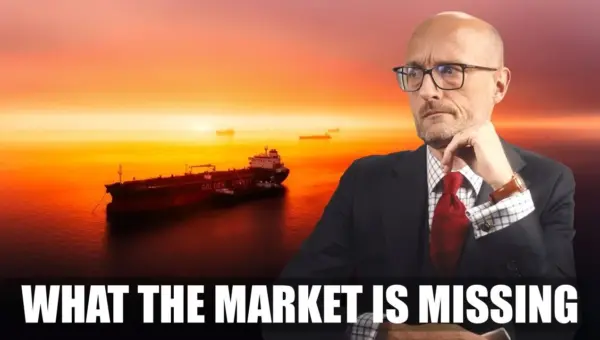
Stock markets appear to be overlooking the severe supply chain risks stemming from the Iran conflict, focusing instead on potential diplomatic de-escalations. While the S&P 500 shows resilience, bond and commodity markets signal deep concern over disruptions to critical resources like LNG, helium, and fertilizers.

U.S. Iran Tensions Rise Amid Shifting Alliances
Rising tensions between the U.S. and Iran are creating a volatile geopolitical situation. With conflicting signals on de-escalation and potential shifts in alliances like NATO and U.S.-Israel relations, the path forward remains uncertain. The global economy and regional stability hang in the balance.

Trump Halts Iran Strikes Amid Stalled Diplomacy
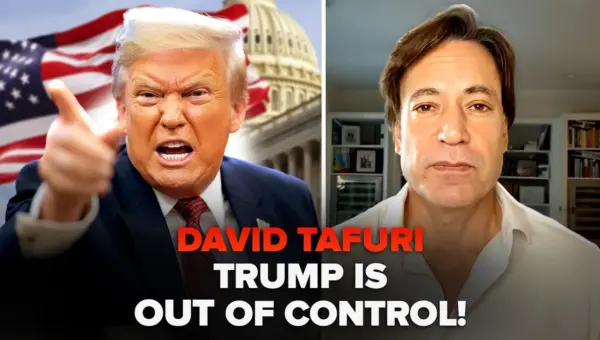
President Trump announced a pause on planned strikes against Iran, citing productive talks, though Iran denies negotiations occurred. Reports also suggest a potential U.S. ground operation on Iran's Hark Island. The situation raises concerns about international support for Ukraine and potential shifts in U.S. foreign policy.