Kremlin Purge: Putin Cracks Down as Ukraine Strikes Deep
Russia's capital is gripped by digital darkness and internal purges as Ukraine's precision strikes cripple military infrastructure. Analysts suggest widespread internet blackouts signal regime fear, not just defense against drones, while economic woes and shifting alliances add to Vladimir Putin's mounting pressures.

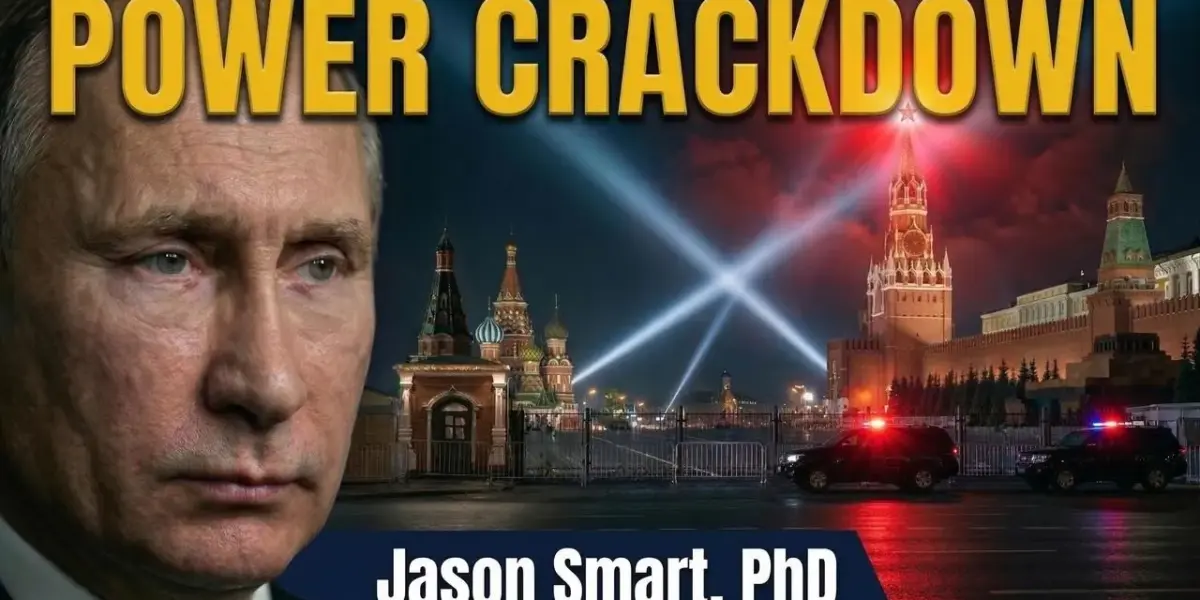
Russia’s Digital Blackout Signals Growing Regime Fear
Moscow and St. Petersburg are experiencing widespread digital disruptions, a move by the Kremlin that analysts suggest is a sign of escalating fear and internal pressure. While the official explanation points to preventing drone attacks, a deeper analysis reveals a regime struggling to maintain control amid intensifying Ukrainian strikes on its war machine and growing internal dissent.
Ukraine’s Deep Strikes Cripple Russian Infrastructure
Across Russia, the impact of Ukrainian attacks is being felt far beyond the front lines. Missile plants, fuel routes, and military logistics are increasingly targeted, striking at the very systems that sustain the war effort. The notion of a secure rear is becoming obsolete for Moscow.
In just over a week, Ukraine has successfully hit targets in at least four Russian regions, spanning from Bryansk to Krasnodar Krai and Adygea. These strikes are not random; they are meticulously aimed at critical components of Russia’s war machine, including:
- Missile defense systems
- Oil infrastructure
- Ports and ferries
- Logistics airfields
- Missile launch systems
A recent strike on a factory producing microelectronics for missiles, drones, and air defense systems highlights the strategic importance of these attacks. This single-source facility, responsible for over 1,200 components, was hit, making it significantly harder for Russia to replace these vital parts.
The Real Reason Behind Moscow’s Internet Blackout
The official narrative that widespread internet outages in Moscow and St. Petersburg are solely to thwart drone attacks is being questioned. While Russia claims these measures are for security, the reality appears more complex.
Dr. Jason Smart, special correspondent and national security advisor, suggests that the Kremlin’s actions are a clear indicator of fear. “Any regime that starts to cut off communications in its own capital is obviously afraid,” he stated. The simultaneous issuance of a white list of approved websites, restricting internet access to only Kremlin-sanctioned content, further fuels speculation that the blackout is about controlling information and preventing internal unrest rather than solely defending against aerial threats.
The scale of the alleged drone attack on Moscow, with 65 drones reportedly intercepted, including 31 heading towards the capital, was presented as justification for the shutdowns. However, a lack of visual evidence, such as alarms or widely reported sightings in a city of over 14 million, casts doubt on this explanation. “If you have a population that large and nobody happened to notice the drones, that’s pretty amazing,” Dr. Smart observed.
He posited that the true objective is to prevent the populace from rising up and to stop any potential military movement towards Moscow. The cost of temporarily closing airports for a few hours was minimal, suggesting a staged event to justify broader control measures.
Internal Purge: Shoygu’s Circle Targeted
Beyond external threats, the Putin regime is grappling with internal purges and power struggles. Former Defense Minister Sergei Shoygu, once considered a lifelong fixture in Putin’s inner circle, is now facing the unraveling of his support network. Many of his associates are reportedly being jailed or placed under house arrest.
“As this is starting to accelerate, we’re seeing the signs that the other clans inside the Kremlin are trying to gobble up everything they owned, trying to make sure that they now dominate the defense sector,” Dr. Smart explained. This internal conflict suggests a destabilization within the highest echelons of power as factions vie for control amidst perceived weakness.
Economic Woes and Putin’s Diminishing Presence
The economic landscape of Russia is also a significant source of worry for the Kremlin. Falling oil prices, exacerbated by international sanctions and European price caps, are making it difficult for Russia to prosper. Major logistics companies are struggling, and industry is performing poorly.
Compounding these economic pressures is the reported non-payment of salaries to teachers in at least 10 regions. The cost of the blackouts alone is estimated at $12.5 to $25 million per day, raising questions about Putin’s priorities when basic services and salaries are at risk.
Furthermore, Vladimir Putin’s public presence has notably diminished. While official channels typically provide updates on his activities, recent reports indicate a scarcity of his appearances, with spokesman Dmitry Peskov featuring more prominently. This reduced visibility fuels speculation about the internal pressures and concerns weighing on the Russian leader.
Global Allies Face Instability, Mirroring Putin’s Fears
Putin’s anxieties are not confined to domestic issues. He is closely watching the instability of his international allies, which may serve as a stark warning. Regimes in Venezuela, Syria, and Iran are facing significant challenges, and the recent protests in Cuba, some escalating to riots targeting Communist Party offices, underscore the fragility of authoritarian rule.
The situation in Crimea, with Ukrainian attacks on key transport hubs like ports and ferries, also presents a strategic threat. The ability to sustain the peninsula is directly linked to these logistical lifelines, suggesting a potential precursor to broader Ukrainian operations.
A Regime Under Siege, Internally and Externally
The confluence of external military setbacks, internal purges, economic decline, and visible cracks in allied regimes paints a grim picture for Vladimir Putin. The long-standing regime, built over 26 years, now faces unprecedented pressure, largely stemming from the decision to invade Ukraine.
Dr. Smart concludes that Putin is under unusual pressure, facing a situation where internal opponents may see an opportunity. The economic foundation of Russia is historically a predictor of government overthrow, and current indicators are bleak. The regime’s reliance on surveillance systems like “Stro” and censorship through “Rosskomnadzor” may no longer be sufficient to quell growing discontent. The article suggests that for Vladimir Putin, the writing may be on the wall, indicating that his time may be running out.
Source: Moscow Gripped by Kremlin Purge (YouTube)

Related Articles


Iran Targets US With Cyberattacks, Escalating Digital Warfare
Iran is increasingly using cyberattacks to challenge the U.S., as seen in a recent hack of the FBI director's account. Experts say this is a strategic shift due to Iran's limitations in conventional warfare. The U.S. needs to strengthen its digital defenses, focusing on encryption and cloud computing, rather than solely relying on traditional security measures.

Iran Hacks FBI Chief, Exposing U.S. Cyber Vulnerabilities
A recent hack of FBI Director Kash Patel's personal email by an Iran-linked group highlights Iran's growing cyber threat to the U.S. Experts explain how simple security oversights are exploited, emphasizing the need for basic defenses like two-factor authentication to protect against propaganda and potential infrastructure attacks.

Ukraine Strikes Russian Oil Refinery, Eyes Iran Threat
Ukrainian forces struck a key Russian oil refinery, disrupting Moscow's war capabilities. Meanwhile, Finland's president urged continued U.S. support for Ukraine, as Kyiv shares its air defense expertise globally amid growing geopolitical complexities involving Iran and potential sanctions against Hungary.