Iran’s Oil Lifeline: Kharg Island Invasion Looms
While global attention focuses on broader conflict metrics, Iran's Kharg Island emerges as a critical vulnerability. Disrupting oil exports from this key terminal could be the U.S.'s most likely path to ground invasion, aiming to pressure Tehran without triggering global economic collapse.

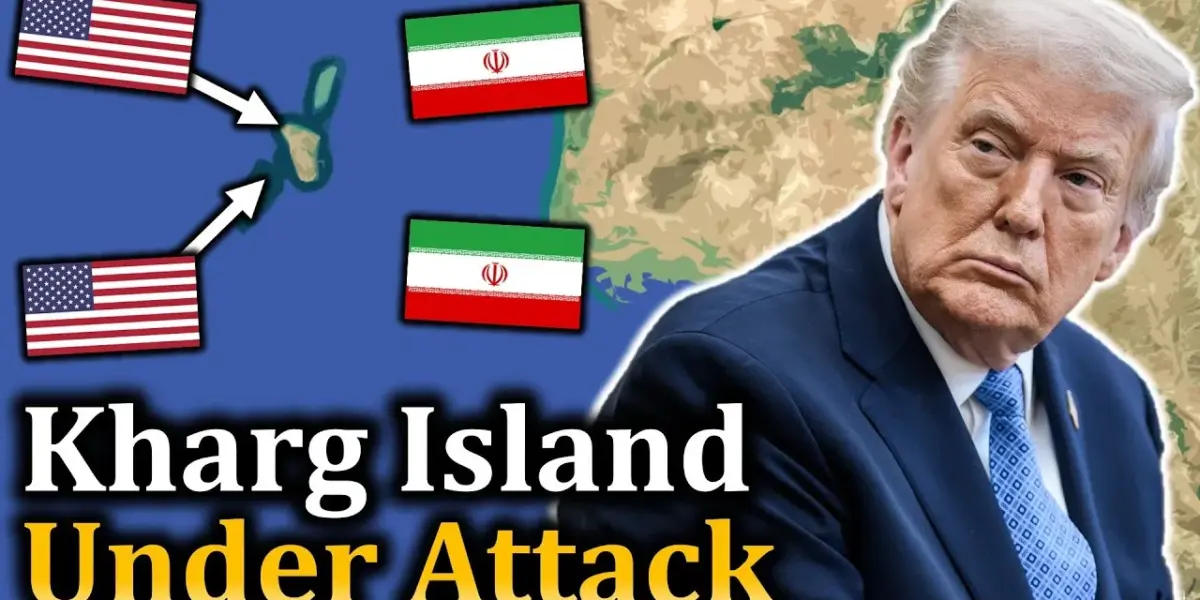
Iran’s Oil Lifeline: Kharg Island Invasion Looms
In the complex tapestry of the ongoing conflict with Iran, four key metrics have dominated public and media discourse: the survival of the Iranian government, the depletion of U.S. armaments, the effectiveness of strikes against Iran’s missile and drone capabilities, and the impact on global oil flows from the Persian Gulf. Yet, a fifth, equally critical, metric has received comparatively little attention: Iran’s specific contribution to global oil supply, and the strategic vulnerability it represents. This overlooked factor, centered on Kharg Island, may well be the lynchpin of the conflict and a potential catalyst for direct U.S. ground engagement.
The Strait of Hormuz Dilemma
Iran has, thus far, attempted a precarious balancing act. By threatening passage through the Strait of Hormuz, a chokepoint responsible for 20% of the world’s oil, Tehran aims to exert leverage and drive up global oil prices. This strategy, while generating international concern and domestic pressure in the U.S., is rooted in a form of mutually assured destruction. Iran, too, relies heavily on the Strait for its own energy exports. While a pipeline and terminal were constructed to circumvent potential disruptions, only about 10% of Iranian oil bypasses the Strait. This reliance creates a vulnerability, as any disruption to this 10% can have significant economic consequences.
The geopolitical landscape has seen attempts to navigate this dilemma. Iran has pursued arrangements with Indian tankers for passage and explored the use of Chinese yuan to circumvent the petrodollar system. However, these efforts have yielded only marginal success. The inherent risk of local Iranian military elements acting independently, even on approved passages, serves as a potent deterrent for tanker captains. For the Iranian government, the stakes are immense: petroleum exports constitute 30% of its revenue and 15% of its entire economy. A significant downturn in oil revenue directly impacts its ability to fund security forces and maintain economic stability, potentially fueling domestic unrest.
Kharg Island: Iran’s Achilles’ Heel
The strategic significance of Kharg Island cannot be overstated. It is Iran’s primary oil export terminal, uniquely positioned to accommodate ultra-large crude carriers due to deep-water coastlines. Pipelines from the mainland transport oil to the island, from where it is loaded onto tankers. Disabling Kharg Island effectively removes approximately 90% of Iran’s oil exports from the market. This makes it a prime target, a fact historically recognized. During the Iran-Iraq War, Iraq struck Kharg Island, hoping to force Iran to close the Strait of Hormuz and elicit Western intervention.
The current U.S. approach to Kharg Island appears to be a calculated, albeit risky, strategy. Reports indicate that U.S. forces have inflicted significant damage on the island’s runway and hillside bunkers—critical military assets for its defense. Crucially, the U.S. has seemingly avoided damaging the tank facilities and offshore loading areas. This selective targeting suggests an intention to degrade Iran’s defensive capabilities without crippling its export infrastructure entirely. The goal appears to be to soften the island for a potential, limited ground operation, while preserving the oil infrastructure to avoid the severe global economic fallout that direct destruction would entail.
The Invasion Calculus
This selective damage to Kharg Island, coupled with the reported movement of the USS Tripoli and its Marine Expeditionary Unit to the Gulf region, hints at a potential invasion scenario. Such an operation would likely involve landing forces, neutralizing key facilities necessary for tanker loading, and extracting rapidly. The objective would be to temporarily halt Iranian oil exports without causing long-term damage that would trigger severe global price shocks or invite wider international condemnation.
The challenges of such an operation are substantial. Kharg Island is inhabited by approximately 8,000 residents, presenting a counterinsurgency risk the U.S. may wish to avoid. Furthermore, U.S. naval control of the Persian Gulf is not absolute, raising concerns about enemy incursions. However, its island nature could also facilitate a swift, contained operation, limiting the need for extensive resupply and minimizing the risk of prolonged engagement. The threat of future raids could then serve as a deterrent to Iran attempting to resume operations.
Why This Matters
The strategic focus on Kharg Island signifies a potential escalation in the conflict, moving beyond aerial and missile strikes to direct ground intervention. This approach attempts to thread a needle: exert maximum pressure on Iran’s economy by disrupting its oil exports, while simultaneously attempting to mitigate the global economic repercussions and avoid a wider, more devastating conflict. The delicate balance the U.S. is trying to strike—disrupting Iran militarily without disrupting global trade—highlights the complex geopolitical tightrope it is walking.
Historical Context and Future Outlook
The current situation echoes strategic debates from past decades, including the Carter administration’s responses to the Iran hostage crisis, where the strategic importance of Iran’s oil infrastructure was a central concern. The historical precedent of Kharg Island being targeted underscores its enduring significance as a critical node in Iran’s economy and its strategic leverage. The current U.S. strategy of degrading defensive capabilities while preserving export infrastructure is a novel approach, born out of a desire to exert pressure without triggering catastrophic economic consequences. However, this strategy is fraught with risk. The potential for miscalculation, escalation, and unintended consequences remains high. The effectiveness of such a limited invasion in forcing Iran to cease its Strait of Hormuz provocations is also uncertain. Ultimately, the situation underscores that even in modern warfare, economic leverage, particularly through control of vital resources like oil, remains a paramount strategic objective.
Source: The Iranian Weak Point the U.S. Is Most Likely to Invade (YouTube)

Related Articles
China Fights Back: Tariffs Loom Ahead of Trump Visit
China is retaliating against US trade investigations that could lead to higher tariffs. This escalating trade tension occurs just before a planned visit by President Trump. The dispute involves accusations of unfair practices and impacts global supply chains.


Israelis Forge Resilience Amidst Constant Bomb Shelter Drills
Life in Israel is a blend of resilience and constant vigilance, with many families adapting to frequent bomb shelter drills and even sleeping in makeshift shelters. Despite ongoing missile attacks, Israelis strive to maintain normalcy, though businesses face disruption and emotional fatigue is a growing concern.


Israel Escalates Iran Strikes, Warns of Wider War
Israel has launched significant strikes inside Iran following continued missile fire, warning of further escalation. The conflict risks wider regional instability and economic disruption, especially concerning the Strait of Hormuz.