Iran’s Missile Barrage Exposes Cracks in Israel’s Air Defense
Iran's missile strikes are reportedly hitting Israel, exposing potential weaknesses in its air defenses which are allegedly running critically low on interceptors. Meanwhile, the U.S. continues its intense air campaign against Iran, targeting key military and nuclear facilities.

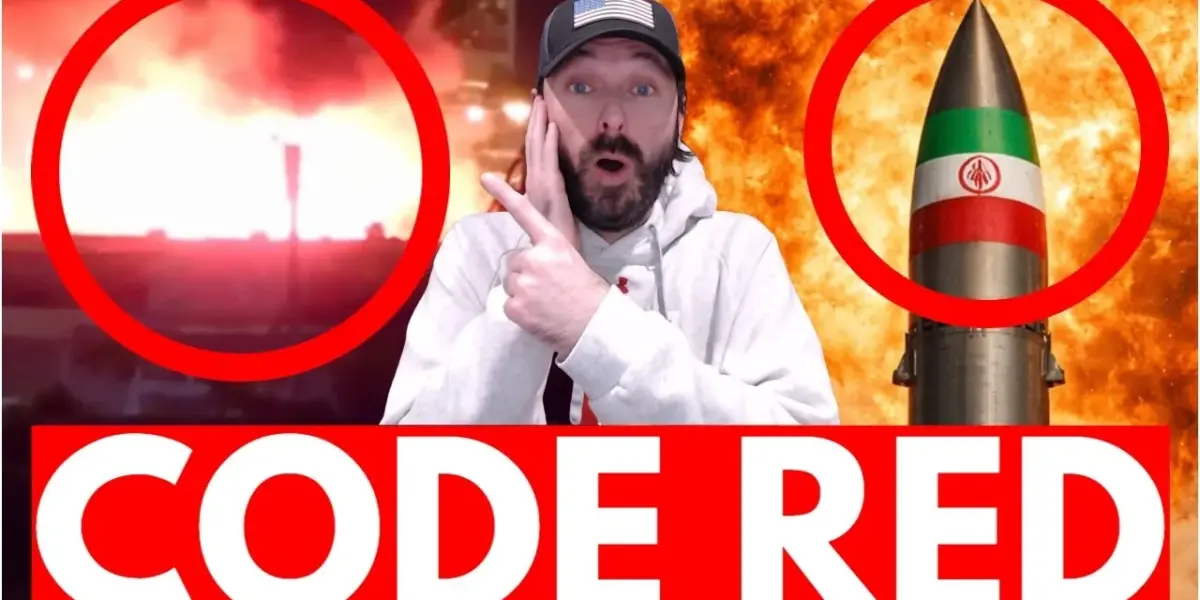
Iran’s Missile Barrage Exposes Cracks in Israel’s Air Defense
The ongoing conflict between Iran and Israel has escalated, with recent reports indicating that Iran has launched direct missile strikes against Israel, resulting in fires and significant damage. Compounding these concerns, a bombshell report suggests Israel’s air defense systems are critically low on interceptors, a vital component for countering ballistic missile threats. Simultaneously, the United States has intensified its own offensive, unleashing a new wave of air strikes against Iranian targets. Amidst this volatile landscape, persistent rumors regarding the health of Israeli Prime Minister Benjamin Netanyahu have been circulating, though he has since released a video to confirm he is alive and well.
Direct Hits and Strained Defenses
Recent footage depicts massive plumes of smoke rising from Israel following direct missile impacts. While Israel’s air defenses are reported to have held up strongly at the outset of the conflict, the latest attacks suggest they are beginning to show signs of strain. Reports indicate that Iranian missiles are now succeeding in penetrating defenses, reaching their targets on the ground. The use of advanced weaponry, such as the Iranian Sajil missile, highlights Iran’s continued capability to launch significant attacks, even if the rate of fire has diminished.
The Critical Shortage of Interceptors
A significant development in this conflict is the revelation that Israel is running critically low on interceptors for its ballistic missile defense systems. According to U.S. officials, Israel had already entered the current conflict with a diminished stock of these interceptors, further depleted by previous engagements, including those from last summer. This situation has been a known concern for months, with U.S. officials anticipating and preparing for such a scenario. The U.S. itself, however, is reportedly not facing similar shortages, despite broader concerns about interceptor depletion from extended military engagements.
“Israel informed the US this week that it is running critically low on ballistic missile interceptors as the conflict with Iran rages on.” – Semaphore report
The dynamic between the number of interceptors available and the volume of incoming missiles is a critical factor, often referred to as “missile math.” The ability to neutralize enemy launch capabilities before depleting interceptor reserves is paramount. This reported shortage for Israel is a significant cause for concern and warrants close monitoring.
U.S. Intensifies Strikes on Iran
In parallel with Iran’s actions, the United States has been conducting a robust campaign of air strikes against Iran. Footage shows extensive damage and massive fires in various locations, including Esfahan, a region known to house Iran’s enriched uranium facilities. U.S. strikes have targeted IRGC (Islamic Revolutionary Guard Corps) and Basij facilities, as well as the Tarot Space Research Center, resulting in complete destruction of some installations. The U.S. military has also targeted missile launchers and anti-aircraft positions, aiming to degrade Iran’s offensive and defensive capabilities. The presence of U.S. fighter jets flying low over Iranian airspace suggests a significant degree of control over the region.
Targeting Strategic Assets
The U.S. strikes appear to be strategically aimed at crippling Iran’s military infrastructure and its nuclear program. The bombardment of Esfahan, for instance, is seen as a preparatory step for a potential ground operation, by weakening defenses around key nuclear sites. The destruction of drone manufacturing facilities and communication buildings further underscores the U.S. objective to dismantle Iran’s war-making capacity.
Navigating Rumors and Geopolitical Tensions
The conflict has also been accompanied by a wave of rumors, most notably concerning the health of Israeli Prime Minister Benjamin Netanyahu. These unfounded reports, which circulated for two days, were definitively put to rest when Netanyahu released a video directly addressing the speculation, humorously referencing AI by showcasing his intact fingers. This serves as a reminder of the complex information environment that often surrounds intense geopolitical conflicts.
Why This Matters
The reported depletion of Israel’s interceptor stockpile is a critical development with far-reaching implications. It highlights the unsustainable nature of prolonged, high-intensity conflicts for even well-equipped militaries. If Israel’s air defense capabilities are indeed compromised, it could embolden adversaries and necessitate increased reliance on international support, particularly from the United States. This situation also underscores the strategic importance of missile defense systems and the global race to develop and deploy them effectively. The ongoing U.S. strikes, meanwhile, signal a determined effort to decisively degrade Iran’s military capabilities, potentially altering the regional balance of power.
Implications, Trends, and Future Outlook
The current situation points to several critical trends. Firstly, the effectiveness and endurance of modern air defense systems are being tested like never before. Secondly, the conflict highlights the interconnectedness of regional security, with actions by Iran, Israel, and the U.S. having immediate and significant ripple effects. The potential for a wider regional conflagration remains a serious concern. The future outlook will likely depend on Iran’s ability to replenish its missile stocks and defensive capabilities, Israel’s success in securing additional interceptors or alternative defense strategies, and the sustained commitment of the United States to its air campaign. The strategic importance of facilities like those in Esfahan also suggests that the international community’s focus on Iran’s nuclear program will intensify.
Historical Context
The current exchange of fire is part of a long-standing and complex geopolitical rivalry. Iran and Israel have been engaged in a shadow war for years, employing proxy forces, cyber warfare, and covert operations. Direct military confrontations, while less frequent, have always been a potential escalation point. Israel’s sophisticated air defense network, including systems like the Iron Dome and David’s Sling, was developed precisely to counter threats from Iran and its proxies. However, the sheer volume and advancement of Iranian missiles, coupled with the sustained nature of the current conflict, are pushing these systems to their limits. The U.S. involvement, particularly its recent intensified air strikes, reflects a strategic decision to confront Iran more directly, potentially signaling a shift in U.S. policy in the region.
Source: BREAKING: Iran SLAMS Israel With Missiles – Air Defenses Cracking (YouTube)

Related Articles


G7 Allies Clash Over Iran War Strategy, Urge Focus on Russia
G7 foreign ministers met in Paris, revealing deep divisions over the U.S. war with Iran. European allies urged the U.S. to pressure Russia, linking its actions to the conflict and fearing support for Ukraine will wane.

Iran Blocks China Ships, Exposing Beijing’s Weak Grip
Iran's recent decision to block Chinese ships at the Strait of Hormuz is exposing the limits of Beijing's influence in the Middle East. This action is causing delays and cancellations for Chinese manufacturers, turning a perceived geopolitical win into an economic strain.
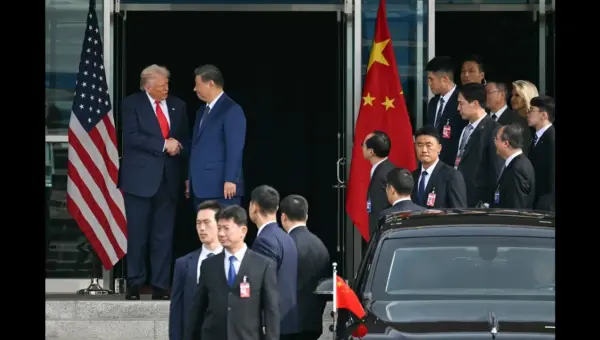
Trump’s “Walk Away” Tactic Signals Tougher Stance on China
Retired Air Force Brigadier General David Stillwell believes President Trump's strategy of being willing to walk away from negotiations puts pressure on China. This tactic, combined with US global actions and strengthened alliances, signals a more assertive American foreign policy.