Iran Missile Strike on German Troops: NATO Faces New War Dynamics
Iran's ballistic missile attack on German troops in Jordan has escalated regional tensions, prompting analysis of Iran's strategy to broaden the conflict and pressure the West. Analyst Andreas Omuland suggests Iran's actions lack clear logic but aim to destabilize markets and force concessions.

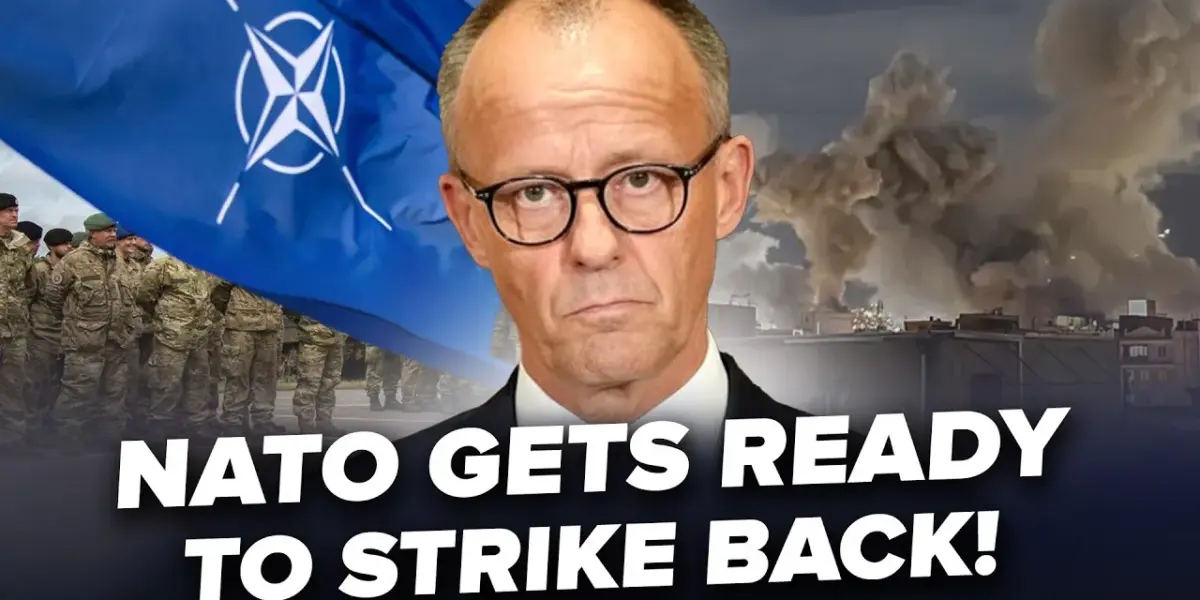
Iran Strikes German Troops in Jordan, Shifting Regional Tensions
In a significant escalation, Iran has reportedly fired ballistic missiles at the Alzra air base in Jordan, targeting German troops stationed there. The incident, first reported by German outlet Spiegel, has sent ripples through NATO and raised urgent questions about diplomatic and military responses, as well as the broader security posture in the region. Details regarding the extent of damage and potential casualties are still emerging, though reports indicate a building belonging to the German contingent was hit.
Analyst: Iran’s Attacks Lack Clear Logic, Aim to Broaden Conflict
Andreas Omuland, an analyst at the Stockholm Center for Eastern European Studies, described Iran’s recent actions, including this attack, as “almost random.” He noted that while Iran has targeted entities linked to the U.S. in the past week, the strike on German forces represents a new dimension. Omuland expressed skepticism that this specific incident would fundamentally alter Germany’s stance on the ongoing war, given that Germany is not an active participant in the conflict and is allied with the U.S. rather than initiating this particular confrontation.
“I don’t think that this attack will change much, especially against the background that other countries have also been already attacked that were not part of this operation against Iran.”
Omuland suggested that Iran might be attempting to transform the current conflict into a larger conflagration, thereby exerting pressure on the West, particularly the U.S., to cease hostilities by threatening a wider regional war. This strategy, he posited, could be an attempt to force concessions through the threat of a significantly larger Middle Eastern conflict.
Iran’s War of Attrition Strategy: Outlasting Rivals Through Economic Disruption
Reuters reports indicate that Iran’s strategy is not centered on direct military confrontation but on a protracted war of attrition. The aim is to outmaneuver the United States and Israel not through superior military might, but through endurance. By utilizing drones and missiles, Iran seeks to disrupt vital energy routes and destabilize global markets to a degree that compels Washington and Tel Aviv to make concessions.
Omuland commented on the realism of this strategy, suggesting that while the term “attrition” might not perfectly apply, Iran is indeed applying pressure. This pressure is being exerted not only directly but also indirectly, through third countries suffering economic repercussions. Rising oil and gas prices, he noted, could force Washington and Tel Aviv to seek an end to the conflict, potentially without achieving a clear victory due to the significant economic fallout. The looming U.S. congressional elections add another layer of pressure, as a prolonged conflict with adverse economic effects could be detrimental to the Republican party.
Energy Markets React: Fuel Prices and Russia’s Shifting Role
The risks to oil supply and maritime logistics have already led to noticeable increases in fuel prices across many European countries. Omuland observed that oil prices have seen some fluctuations, partly influenced by statements suggesting a short conflict duration. He acknowledged the difficulty in making precise predictions amidst potential disinformation and the inherent unpredictability of wartime scenarios.
Amidst these price surges, Russian President Vladimir Putin has offered to resume oil and gas supplies to European countries, provided stable cooperation without political pressure is established. This development has sparked debate in Brussels and Washington regarding the potential easing of sanctions on Russian oil and gas. Omuland expressed concern that such a move could inadvertently benefit Russia, providing it with increased revenue and prolonging the war in Ukraine. He described the situation as “bizarre,” noting that a conflict aimed at isolating Russia might inadvertently strengthen its economy.
“The effect indeed now of this war against Iran is that the Russian oil industry that has been sanctioned earlier by the US is now benefiting from this war.”
Omuland believes this outcome was likely not intended by the U.S. when imposing sanctions on Russian energy companies. However, the unintended consequence of the Middle East conflict appears to be a boon for Russia’s sanctioned oil sector.
Hungary’s Stance on Ukraine Aid and Election Politics
The allocation of €90 billion in financial assistance for Ukraine has faced delays, with Hungarian Prime Minister Viktor Orbán’s government being a point of contention. Polish Prime Minister Donald Tusk indicated that Europe could disburse the funds without further Hungarian approval, as the decision had previously received unanimous support.
Omuland linked Hungary’s obstructionism to upcoming elections, suggesting Orbán’s tactics are aimed at reshaping the domestic political debate. With corruption allegations looming, Orbán may be seeking to position himself as a defender of Hungarian national interests against perceived external pressures. Despite publicly stating that Hungary benefits from Ukraine acting as a buffer against Russia, Orbán’s pro-Russian stance has reportedly become a point of concern among Hungarian voters, who have historical experience with Russian imperialism.
Furthermore, Orbán has leveraged the transit of vital cargo to Ukraine through Hungary, linking it to the restoration of oil supplies via the Druzhba pipeline. Omuland characterized this as a “sad story” and a potential “dark chapter in modern Hungarian history,” arguing that Hungary is undermining Ukraine’s fight for independence and sovereignty, a struggle Hungary itself once undertook.
Trump-Putin Call and Prospects for Middle East and Ukraine Peace
President Donald Trump described his recent phone conversation with Vladimir Putin as “very good,” focusing on Ukraine and the Middle East. Omuland noted that Trump has consistently characterized his calls with Putin positively, attributing this partly to Putin’s KGB background and potential ability to manipulate individuals. He expressed concern about the implications of these calls, especially given the upcoming U.S. elections, where a perceived pro-Putin stance could be politically damaging for Trump.
Putin reportedly offered assistance regarding the Middle East situation, while Trump emphasized the importance of ending the war in Ukraine. Omuland questioned the realism of Russia playing a constructive role in the Middle East while simultaneously prosecuting the war in Ukraine. He suggested Russia might be engaging in diplomacy to improve its international image and gain leverage, but ultimately, Ukraine remains its primary focus, evidenced by its limited support for Iran following recent attacks.
Negotiations Paused: Substantive Results or Mere Theater?
The escalation in the Middle East has led to a pause in diplomatic consultations regarding Ukraine, with some suggesting a halt in the negotiation process. Omuland downplayed the significance of this pause, characterizing previous negotiations as largely “theater” with limited substantive results. He acknowledged that prisoner exchanges, sometimes a byproduct of these high-level talks, might have occurred regardless of the formal negotiation framework.
Omuland thanked Andreas Omuland for his insights, emphasizing the ongoing need to support Ukraine. The analyst’s perspective highlights a complex geopolitical landscape where regional conflicts intersect, economic pressures mount, and political maneuvering complicates international efforts toward de-escalation and peace.
Source: 💥NATO didn't see this coming! The war just changed. Putin trapped (YouTube)

Related Articles

U.S. Iran Tensions Rise Amid Shifting Alliances
Rising tensions between the U.S. and Iran are creating a volatile geopolitical situation. With conflicting signals on de-escalation and potential shifts in alliances like NATO and U.S.-Israel relations, the path forward remains uncertain. The global economy and regional stability hang in the balance.


Iran Targets US With Cyberattacks, Escalating Digital Warfare
Iran is increasingly using cyberattacks to challenge the U.S., as seen in a recent hack of the FBI director's account. Experts say this is a strategic shift due to Iran's limitations in conventional warfare. The U.S. needs to strengthen its digital defenses, focusing on encryption and cloud computing, rather than solely relying on traditional security measures.

Iran Hacks FBI Chief, Exposing U.S. Cyber Vulnerabilities
A recent hack of FBI Director Kash Patel's personal email by an Iran-linked group highlights Iran's growing cyber threat to the U.S. Experts explain how simple security oversights are exploited, emphasizing the need for basic defenses like two-factor authentication to protect against propaganda and potential infrastructure attacks.