Nissan’s Xterra Blunder: A Missed Off-Road Goldmine
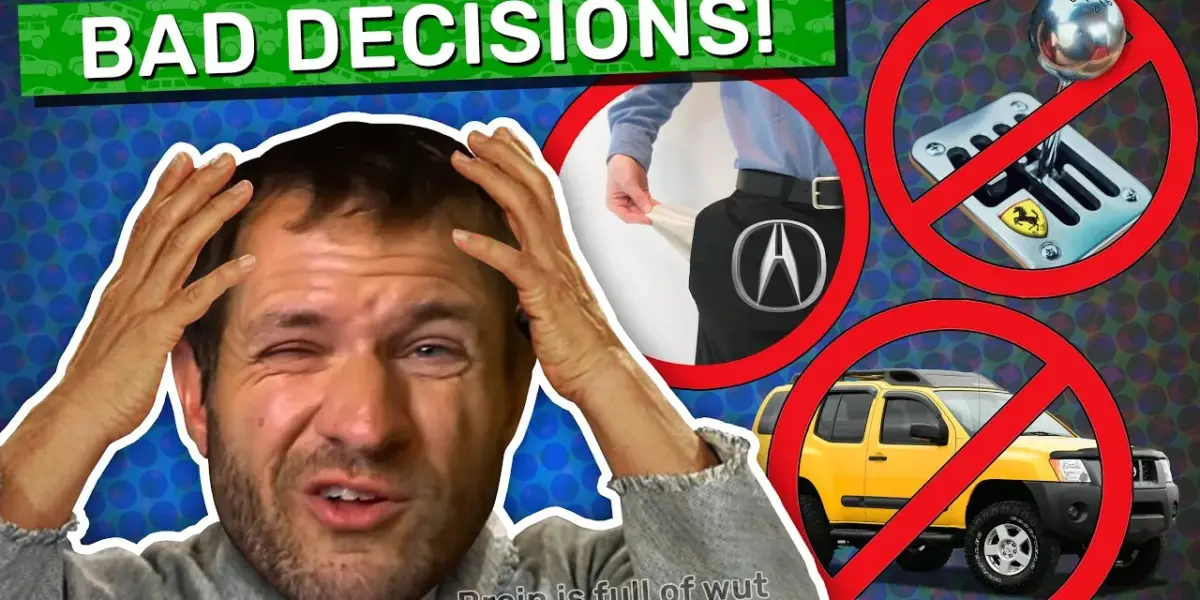
Nissan's decision to discontinue the Xterra just as the off-road SUV market exploded is highlighted as one of the worst automotive strategic blunders of the last 30 years. The move cost Nissan significant market share and potential profits, while competitors thrived.

Nissan’s Xterra Blunder: A Missed Off-Road Goldmine
In the cutthroat world of automotive strategy, some decisions leave executives scratching their heads years later. Doug DeMuro, in a recent analysis, highlights some of the most egregious corporate missteps of the past three decades. While many might lament the lack of manual wagons or specific enthusiast models, DeMuro focuses on decisions that demonstrably cost manufacturers significant revenue and market share. Topping this ignominious list is Nissan’s decision to axe the Xterra, a move that proved particularly baffling given the explosive growth of the off-road vehicle segment.
The Xterra, a rugged, body-on-frame SUV, was discontinued in the early 2010s. This coincided precisely with a meteoric rise in the popularity of off-road-capable vehicles. While Nissan seemingly abandoned this lucrative niche, competitors like Toyota saw unprecedented success. DeMuro points to the staggering sales figures of the Toyota 4Runner in the United States since the Xterra’s departure, estimating over a million units sold. This strategic vacuum left by Nissan is akin to Ford abandoning the midsize sedan market as the Taurus hit its stride, or Chrysler exiting the minivan segment just as it was taking off.
Despite attempts by some within Nissan to justify the Xterra’s cancellation, DeMuro remains unconvinced. He argues that a successor, based on the then-new Nissan Frontier platform, would have been a logical and profitable move. The failure wasn’t just in canceling the Xterra, but in the subsequent refusal to revive it for over a decade. The launch of the new Frontier in 2020 presented a perfect opportunity to co-develop an SUV variant, a chance Nissan seemingly overlooked. Meanwhile, the market was screaming for such vehicles. The sustained success of the Jeep Wrangler, the phenomenal demand for the Ford Bronco, the popularity of the Ford Raptor and the Mercedes-Benz G-Wagon, and even the mainstream appeal of the Kia Telluride – all signaled a massive shift in consumer preference towards capable, adventure-ready SUVs. Nissan, however, appeared either unable or unwilling to adapt.
Other Notable Blunders
- Chevrolet’s Raptor Hesitation: While understandable initially, Chevy’s prolonged reluctance to create a true competitor to the Ford Raptor is cited as a significant missed opportunity. Despite the success of the Trail Boss and the impressive, albeit niche, Hummer EV, a direct, V8-powered rival to the Raptor has remained elusive, leaving Ford to dominate this high-profile segment.
- Volkswagen’s Luxury Ambition: In the late 90s and early 2000s, Volkswagen’s misguided attempt to position itself as a luxury brand, competing with BMW while Audi was its actual luxury marque, is highlighted. This strategy ignored VW’s core strengths and the booming SUV market, leading to a period of stagnation that allowed competitors, particularly Korean automakers, to gain significant ground. The eventual pivot to mainstream, value-oriented vehicles like the Atlas and Tiguan proved successful, but only after years of strategic missteps.
- Stellantis’s Charger/Challenger Transition: The decision to replace the beloved Dodge Charger and Challenger with a solely electric platform is viewed as a risky gamble. While the need to adapt to electrification was clear, the abrupt shift from a highly successful, ICE-powered muscle car lineup to a new EV model, which has seen limited adoption, is seen as a self-inflicted wound. The possibility of a return to V8 power in future iterations offers a glimmer of hope, but the initial transition is considered a significant misstep.
- Honda/Nissan’s Luxury Brand Neglect: The chronic underinvestment in Acura and Infiniti during their peak potential years is seen as a major strategic error. While Lexus successfully carved out a substantial market share by mirroring Toyota’s product strategy, Acura and Infiniti failed to adequately capitalize on the SUV boom, leading to declining sales and a loss of brand identity. Their current positioning often relies on value rather than aspirational appeal, a stark contrast to Lexus’s success.
- Ferrari’s Manual Transmission Omission: Perhaps the most confounding decision for enthusiasts, Ferrari’s refusal to offer a manual transmission in its modern supercars is viewed as a missed financial opportunity. With the classic manual Ferrari market soaring at auction – F40s and F50s commanding millions, often due to their manual gearboxes – DeMuro argues that a limited-run, manual-equipped supercar could tap into a wealthy enthusiast base willing to pay a premium, similar to Porsche’s successful strategy with its 911 variants.
These examples serve as stark reminders that even the most established automakers are not immune to strategic blunders. While the automotive landscape is constantly evolving, the fundamental principles of understanding market trends, leveraging core strengths, and making sound long-term investments remain critical for success. Nissan’s Xterra saga, in particular, stands as a cautionary tale of ignoring a surging market and abandoning a beloved, capable product.
Source: The Worst Car Decisions of the Last 30 Years (YouTube)

Related Articles


Doug DeMuro’s $100K Dream Garage: Three Cars for Every Need
Doug DeMuro outlines his ideal $100,000 three-car garage, prioritizing a reliable Toyota Land Cruiser, a fun Honda S2000, and a performance-oriented Cadillac CT4-V Blackwing. He also suggests a Ferrari Mondial T as a more adventurous alternative for the third slot.

Doug DeMuro: The Pivotal Year That Forged Automotive YouTube
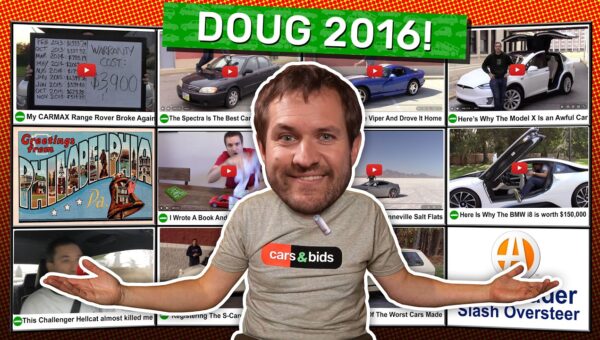
Doug DeMuro reflects on 2016, the pivotal year he transitioned from a car writer to a video-first content creator, fundamentally shaping his YouTube career and the automotive content landscape. Key video successes with a Land Rover Defender and Toyota Land Cruiser marked the beginning of his pivot towards reviewing other people's cars, a strategy that would lead to unprecedented success.

Bugatti Divo vs. Koenigsegg Jesko: The Ultimate Hypercar Drag Race Unfolds
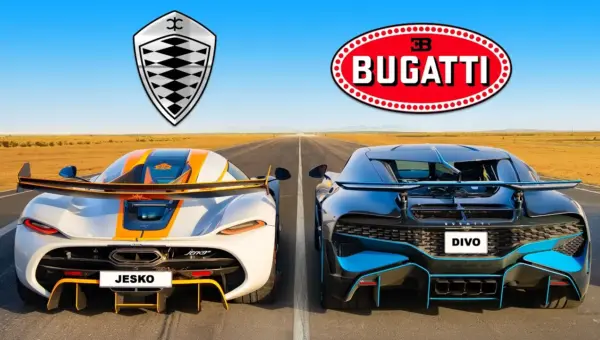
In a chaotic yet thrilling two-day event in the Middle East, the Bugatti Chiron Super Sport faced off against the Koenigsegg Jesko Attack in a highly anticipated rematch, with the Jesko ultimately claiming victory. The day also featured a host of other hypercar battles, including a surprising win for an electric Xiai SU7 Ultra against a Ferrari SF90 XX.