Canada’s Arctic Gambit: Defending Sovereignty Against Trump’s Shadow
Canada is significantly bolstering its military presence in the Arctic and investing in space defense, driven by concerns over potential U.S. actions under a Trump presidency. This strategic shift signals a move towards greater self-reliance and a proactive defense of national sovereignty.

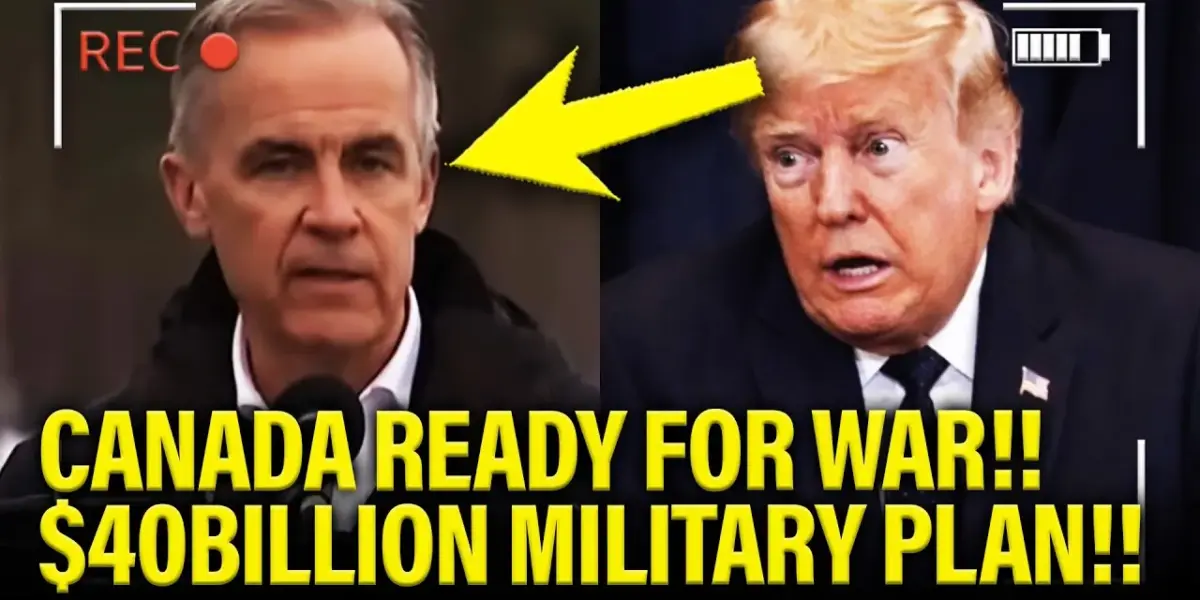
Canada Fortifies North Amidst Trump Tensions
In a bold assertion of sovereignty and a clear signal of apprehension, Canada is undertaking a significant military expansion in its Arctic region. This multi-billion dollar initiative, reportedly between $25 and $40 billion, signals a strategic pivot, aiming to bolster defense systems and reduce reliance on external powers, particularly in light of escalating rhetoric and actions from the Donald Trump regime in the United States. Prime Minister Justin Trudeau, speaking from Yellowknife, unveiled plans to invest heavily in the North, emphasizing self-reliance in Arctic security and economic development.
A Shift Towards Self-Reliance and Space Dominance
Beyond the Arctic fortifications, Canada is also making substantial investments in its space capabilities. Recognizing the vulnerability of depending on private entities like Elon Musk’s Starlink for satellite services, Ottawa plans to launch hundreds of its own satellites as part of a national defense agenda. This move underscores a broader strategy to enhance technological independence and secure critical communication and surveillance infrastructure.
Historical Context: A Pattern of Assertive Rhetoric
The current Canadian stance is framed against a backdrop of Donald Trump’s past and potential future actions. References are made to Trump’s past statements suggesting Canadian provinces could become the 51st state and his administration’s use of trade measures, such as invoking Section 122 and Section 301 of the Trade Act of 1974. These actions, described as unlawful and retaliatory by critics, have fueled anxieties in Canada about potential economic and even territorial incursions. The transcript highlights that these concerns are not merely speculative, with Canadian political figures expressing a perceived realistic threat of a Trump-led invasion.
Geopolitical Realignment and Allied Cooperation
Prime Minister Trudeau’s recent diplomatic efforts have focused on strengthening ties with traditional allies and forging new partnerships. Following a trip to Australia, he met with leaders from Norway and Germany. This engagement highlights a broader effort to counterbalance perceived instability stemming from U.S. foreign policy under Trump. The discussions in Norway, alongside Prime Minister Jonas Gahr Støre and German Chancellor Friedrich Merz, centered on bolstering security relationships, particularly within the NATO framework and concerning the Arctic and Eastern Europe. A notable point of discussion was the unified stance against any attempts to acquire territory through force, referencing Trump’s past interest in purchasing Greenland, which was unequivocally rejected as a violation of international law and unacceptable among allies.
The Ukraine Conflict and Sanctions Debate
A significant portion of the analysis delves into the complex geopolitical landscape surrounding the war in Ukraine. The transcript criticizes Donald Trump’s decision to lift oil sanctions on Russia, arguing that it enriched Russia and undermined efforts to pressure Moscow into ending its aggression. This move is contrasted with the G7’s general consensus to maintain sanctions, portraying it as a betrayal of Ukrainian interests and a weakening of the allied front. The interconnectedness of global conflicts is emphasized, with allegations that Russia is aiding Iran, which in turn is targeting U.S. interests in the Middle East. This narrative paints a picture of a world facing multiple, interconnected crises, exacerbated by perceived erratic U.S. foreign policy.
Trudeau’s Leadership on the Global Stage
The analysis positions Prime Minister Trudeau as a key leader navigating these turbulent times. His background as a former central banker, having led both the Bank of Canada and the Bank of England through financial crises, is highlighted as uniquely qualifying him to address the current global economic and geopolitical challenges. He is presented as a figure who is actively forging alliances between European and Asian partners, effectively acting as a broker on the international stage, particularly as the United States under Trump is seen as alienating its allies.
Why This Matters
The strategic investments in the Arctic and space capabilities are not merely defensive measures; they represent a fundamental re-evaluation of Canada’s security posture and its relationship with its most significant ally. The explicit concern about a potential U.S. invasion, however hyperbolic it may sound to some, reflects a deep-seated anxiety about the unpredictability of American leadership. This situation forces Canada to confront its vulnerabilities and proactively secure its sovereignty. Furthermore, the emphasis on international cooperation, particularly with European allies, signals a potential shift in global alliances, where middle powers may increasingly take on leadership roles in shaping international security and economic stability.
Implications, Trends, and Future Outlook
This development points to several key trends: the growing importance of the Arctic as a geopolitical theater, the increasing national security implications of space technology, and the potential for a significant realignment of international partnerships if U.S. foreign policy continues on a path perceived as isolationist or aggressive. Canada’s proactive stance could inspire other nations to similarly reassess their dependencies and strengthen their own defense and technological capabilities. The future outlook suggests a more multipolar world, where nations actively seek to diversify their alliances and secure their interests independently, even from traditional allies.
Source: FURIOUS Canada PREPARES MILITARY for TRUMP INVASION!! (YouTube)

Related Articles
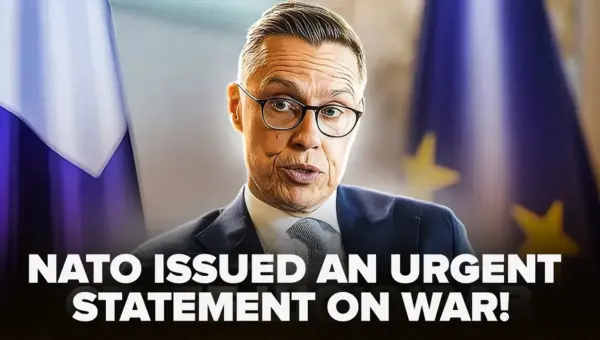
Ukraine Strikes Russian Oil Refinery, Eyes Iran Threat
Ukrainian forces struck a key Russian oil refinery, disrupting Moscow's war capabilities. Meanwhile, Finland's president urged continued U.S. support for Ukraine, as Kyiv shares its air defense expertise globally amid growing geopolitical complexities involving Iran and potential sanctions against Hungary.

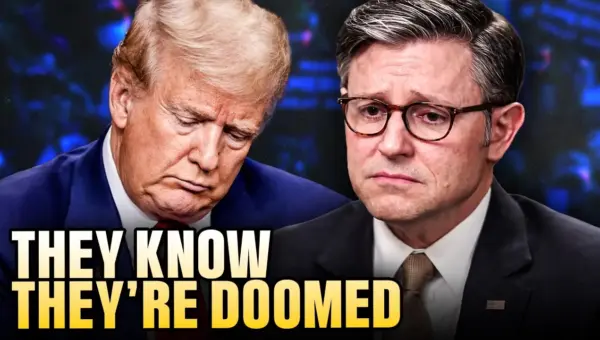
Polls Spell Doom: Republicans Face Voter Backlash
New polling data reveals a sharp decline in public confidence regarding the economic impact of Republican policies, particularly under Donald Trump. A significant majority now feel financially worse off, a trend that is especially pronounced among independent voters. This economic discontent poses a major challenge for the Republican party heading into future elections.

Iran’s Missile Threat Reduced by 90%, Analyst Says
An analyst reports that Operation Epic Fury has degraded Iran's missile launchers by 90%, despite challenges in targeting hidden sites. The conflict's duration and media coverage are also discussed, with implications for global energy markets and investor confidence.