Trump Declares Himself The Uniquely ‘Crazy’ President
Donald Trump's recent remarks suggest a self-perception as a uniquely 'crazy' president, prioritizing unconventional actions over rational governance. This analysis explores the implications of equating novelty with presidential merit and its potential impact on democratic norms.

Trump Declares Himself The Uniquely ‘Crazy’ President
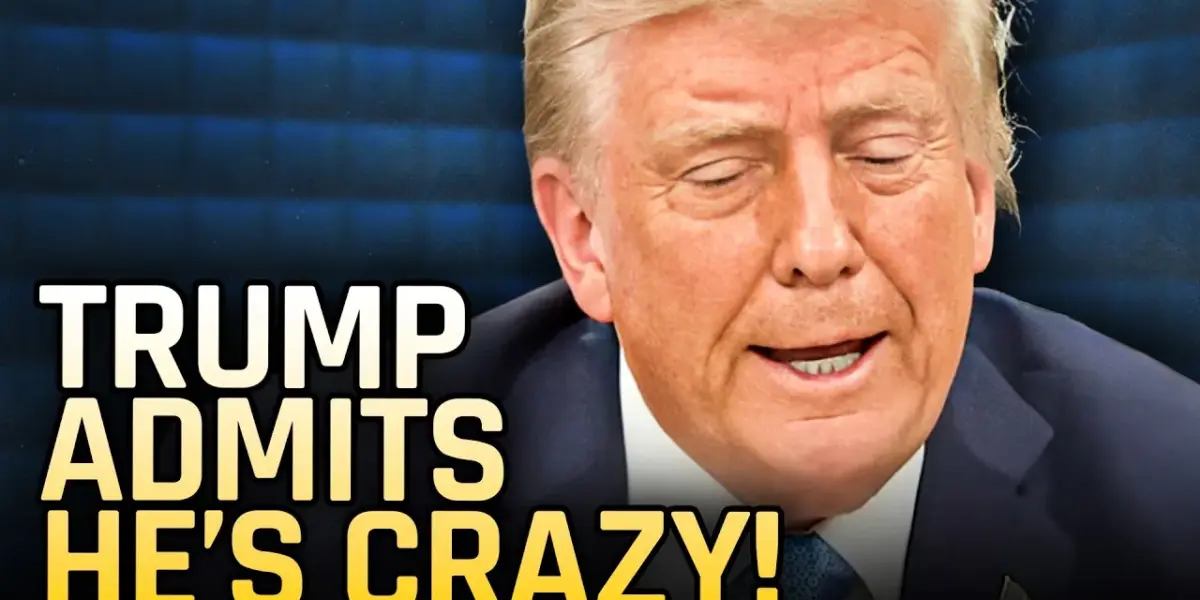
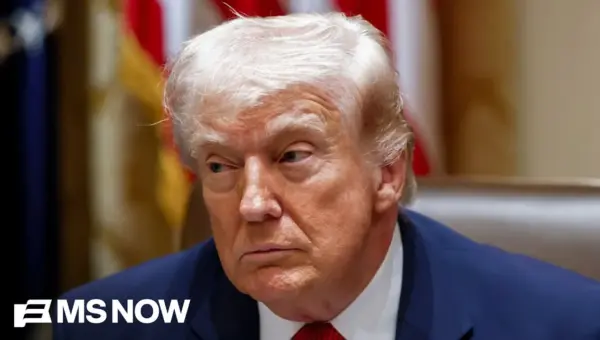
In a recent statement delivered from his Doral Golf Resort, Donald Trump made remarks that, when interpreted through a certain lens, amount to an admission of his unique brand of presidential ‘craziness.’ While not explicitly stating he is the craziest president in history, Trump’s boast about undertaking actions no other president could or would do, and his framing of these as unique achievements, strongly suggests this interpretation. He stated, “I don’t want to brag, but they said this about a lot of things no other president could do some of the I’m doing. The things I’m doing, no one else was going to do it. They say it all the time. Sir, could you do this? You’re the only one who can do it.”
This self-aggrandizing commentary evokes memories of a college friend, described as ‘crazy,’ who would undertake dares like jumping off second-story balconies or eating live goldfish simply because he could. While this friend might have been entertaining company, the analogy highlights a crucial distinction: the qualities that make someone a memorable, albeit reckless, friend do not translate into the attributes needed for effective and responsible leadership. The ‘kid at the lunch table’ willing to drink a mixture of everyone’s discarded beverages, while perhaps seen as bold in a social setting, is precisely the type of irrational impulse that should be kept far from the Oval Office. The presidency demands a level-headed, rational approach, not a penchant for acting on every ‘crazy idea’ simply because it’s unconventional.
The Peril of Unconventionality as a Virtue
Trump’s apparent pride in doing things that no other president has done, such as initiating regime changes in multiple countries or contemplating the annexation of territories like Greenland and Canada, demonstrates a fundamental misunderstanding of leadership. His administration’s imposition of tariffs, escalating from 15% to 25%, and his defiance of Supreme Court rulings, underscore a pattern of behavior driven by a desire to assert his singular authority rather than by sound policy or established legal precedent. The assertion, “Nobody tells bro what to do,” encapsulates this defiant, self-centered approach.
The speaker emphasizes that not all unprecedented actions are commendable. While medical or technological innovations that improve lives are positive examples of groundbreaking work, pursuing actions solely because they are unprecedented is not inherently wise or correct. The analogy is stark: no president has ever swung a cat by its tail and thrown it off the White House roof. The fact that this action is unique does not make it acceptable, or even remotely justifiable. The speaker expresses concern that Trump might even consider such an absurd act, suggesting a belief that Trump possesses a disregard for traditional norms and potentially even for the well-being of animals.
This pattern of behavior, characterized by pursuing actions regardless of their danger or stupidity simply because they are novel, is presented as the core of Trump’s presidential approach. It suggests a leader who prioritizes personal notoriety and a sense of being above the rules over the stability, rationality, and ethical considerations that should guide the highest office in the land.
Why This Matters
The implications of a leader who equates unconventionality with greatness are profound. It risks normalizing recklessness and disregard for established norms, laws, and institutions. When a president frames his most controversial and potentially damaging actions as evidence of his unique strength and capability, it can erode public trust in the very foundations of governance. It suggests a dangerous precedent where personal whim and a desire for historical notoriety overshadow the sober responsibilities of leadership, which include safeguarding democratic processes, upholding the rule of law, and ensuring the well-being of the nation and its citizens.
Historical Context and Background
Throughout American history, presidents have faced immense pressure to innovate and lead. Figures like Abraham Lincoln during the Civil War or Franklin D. Roosevelt during the Great Depression implemented policies that were unprecedented in their scope and nature. However, these actions were generally driven by existential national crises and were debated, justified, and often challenged within the existing democratic framework. The key distinction lies in the motivation and the adherence to process. While these leaders pushed boundaries, their actions were aimed at preserving the nation and its ideals, not merely at establishing personal uniqueness. Trump’s rhetoric, conversely, appears to prioritize the ‘doing’ over the ‘why’ and the ‘how,’ suggesting a more impulsive and self-serving approach to presidential power.
Implications, Trends, and Future Outlook
The trend towards personality-driven politics, where a leader’s perceived strength and ‘outsider’ status are paramount, is amplified by Trump’s self-portrayal. This can lead to a populace that values disruptive behavior over steady governance. The future outlook is one where the definition of presidential fitness could be further diluted, potentially encouraging future candidates to emulate this style. This poses a significant risk to democratic institutions, which rely on a shared understanding of norms, respect for expertise, and a commitment to reasoned decision-making. The danger lies in a perpetual cycle where ‘crazy’ is rebranded as ‘bold,’ and recklessness is mistaken for strength, potentially leading to a significant erosion of effective and responsible governance.
Source: Trump Admits He’s The Craziest President EVER (YouTube)

Related Articles

Polls Spell Doom: Republicans Face Voter Backlash
New polling data reveals a sharp decline in public confidence regarding the economic impact of Republican policies, particularly under Donald Trump. A significant majority now feel financially worse off, a trend that is especially pronounced among independent voters. This economic discontent poses a major challenge for the Republican party heading into future elections.

Trump Delays Iran Strike Deadline Amidst Shifting Diplomacy
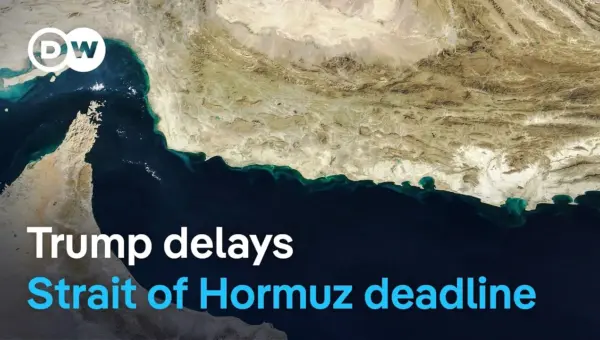
President Donald Trump has extended his deadline for potential strikes on Iranian energy plants to April 6th, amid reports of U.S.-Iran diplomatic talks mediated by Pakistan. This move comes as Israel continues its strikes on Iran and the U.S. deploys additional military assets to the region. Analysts point to mixed signals, economic pressures, and strategic miscalculations as key factors shaping the evolving situation.
Iran War Claims Ring Hollow as US Troops Injured in New Attack
Days after Donald Trump claimed "we've won" the war with Iran, a new attack injured approximately a dozen U.S. troops and damaged aircraft. This incident contradicts Trump's assertions of victory and raises serious questions about the strategy and reality of the ongoing conflict.