US Eases Russian Oil Sanctions Amid Iran Conflict Disruptions
The U.S. Treasury Department has issued a temporary waiver allowing the sale of Russian oil currently at sea, aiming to stabilize global energy markets amid disruptions caused by the conflict in Iran. While intended to ease price pressures, officials stress the measure is short-term and does not signify a broader lifting of sanctions. The move comes as the U.S. grapples with underestimating Iran's impact on vital shipping routes and a rapid depletion of its own military munitions.

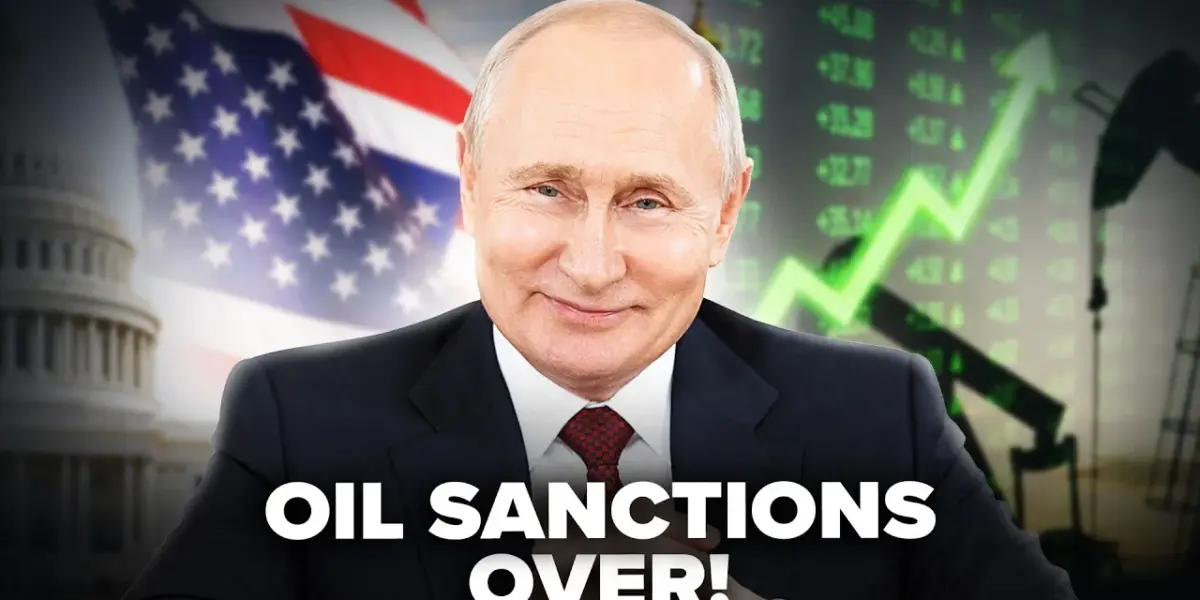
US Grants Temporary Waiver on Russian Oil Shipments
In a significant move aimed at stabilizing global energy markets, the United States Treasury Department has announced a temporary waiver allowing countries to purchase Russian oil and petroleum products currently aboard ships. The waiver, effective until April 11th, applies to Russian crude oil loaded onto vessels as of March 12th. This measure is designed to alleviate pressure on energy markets, which have been disrupted by the ongoing conflict involving Iran and retaliatory strikes in the Strait of Hormuz.
Rationale Behind the Waiver
Treasury Secretary Scott Bassan stated that the waiver is a short-term, narrowly focused measure intended to ensure that oil already in transit can reach buyers without further complicating global supply chains. “It is not meant to provide significant financial benefit to Russia,” Bassan emphasized. The action is part of a broader U.S. strategy to prevent sharp increases in oil prices abroad, particularly as the conflict in the Persian Gulf region has disrupted vital shipping lanes.
Market Impact and Global Oil Supply
According to the Treasury Department, approximately 124 million barrels of Russian oil were on ships globally at the time the license was issued. This quantity represents an estimated five to six days of global oil demand. The waiver’s announcement had an immediate, albeit modest, effect on markets, with oil prices easing slightly in Asia. “The move will help global markets to rise pressure,” Bassan commented, highlighting the administration’s concern over high oil prices potentially impacting the U.S. economy, especially with midterm elections approaching.
Broader Sanctions Context and Limited Benefit for Russia
While the decision has been framed by some as a major concession, U.S. officials maintain that it does not signify a lifting of overall sanctions against Russia. “This isn’t the United States lifting all sanctions on Russia,” an administration official clarified. The waiver is specifically for oil already at sea and does not alter the broader sanctions regime. Experts suggest that even with potential price increases, the direct financial benefit to Russia may be limited due to existing sanctions primarily from Europe, which restrict Russia’s leverage over buyers. “Russian oil is heavily sanctioned… they do not have as much leverage over their buyers,” noted one analyst. This means that for every dollar global oil prices increase, Russian oil prices might only rise by fifty cents, capping the economic advantage for Moscow.
Iran Conflict’s Impact on Russian Strategy
Beyond the economic considerations, the ongoing conflict with Iran presents significant drawbacks for Russia. One major consequence is the potential disruption to Russia’s supply of Shahed drones, a key weapon used in its ongoing war. Iran, a primary supplier of critical components for these drones, is now itself a target of U.S. strikes. “Russia is losing the ally that was helping them produce Shahed drones,” an analyst observed. The reduced availability of these drones could hamper Russia’s military tactics, forcing a greater reliance on less effective front-line operations. This strategic disadvantage for Russia may outweigh any limited economic gains from the oil waiver.
Underestimation of Iran’s Response
The U.S. administration is also grappling with the fact that its initial assessment of Iran’s reaction to the conflict appears to have been significantly underestimated. Senior officials reportedly miscalculated how severely Iran would disrupt shipping through the strategically vital Strait of Hormuz. “Many decision makers in Washington did not expect Iran to disrupt shipping through the strait,” according to officials familiar with the matter. The assumption that Iran would avoid actions harming its own economy proved incorrect, as Iranian forces and affiliated groups began threatening commercial vessels. This led to a sharp drop in tanker traffic and a subsequent surge in oil prices due to market uncertainty.
Strait of Hormuz: A Critical Global Chokepoint
The Strait of Hormuz, a narrow waterway between Iran and the Arabian Peninsula, is one of the world’s most important passages for energy trade, with a substantial portion of global oil supply transiting through it. Iran’s demonstrated capability to threaten shipping, utilizing tactics like naval mines and anti-ship missiles, has proven effective in deterring commercial vessels. This disruption has had immediate repercussions, not only on oil markets but also on transportation costs globally.
U.S. Military Munitions Expenditure
The conflict has also led to a rapid and extensive depletion of U.S. military munitions. Reports indicate that the U.S. has expended what would normally be considered years’ worth of certain munitions in just the initial weeks of fighting. This includes a significant number of expensive Tomahawk cruise missiles, raising concerns about supply levels, replacement costs, and long-term military readiness. The rapid pace of expenditure suggests that replenishing these stockpiles will be a lengthy and costly process.
Looking Ahead
The coming weeks will be crucial in observing the sustained impact of the U.S. waiver on global oil markets and the broader geopolitical landscape. Attention will remain focused on the effectiveness of U.S. diplomatic and military strategies in de-escalating tensions in the Persian Gulf and ensuring the free flow of energy. Furthermore, the long-term implications of munition expenditure on U.S. defense readiness will likely become a significant point of discussion and policy consideration.
Source: 😱Huge shift: US lifts Russian oil sanctions — Kremlin wins big! (YouTube)

Related Articles
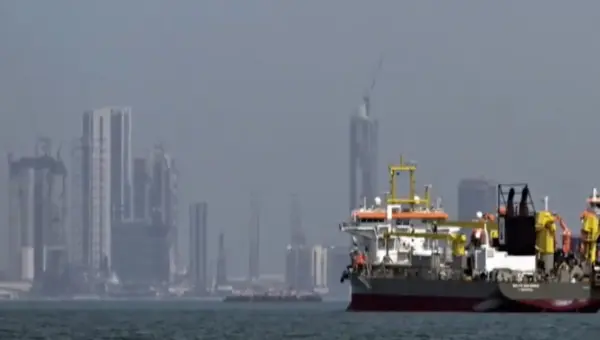
Iran Blocks China Ships, Exposing Beijing’s Weak Grip
Iran's recent decision to block Chinese ships at the Strait of Hormuz is exposing the limits of Beijing's influence in the Middle East. This action is causing delays and cancellations for Chinese manufacturers, turning a perceived geopolitical win into an economic strain.
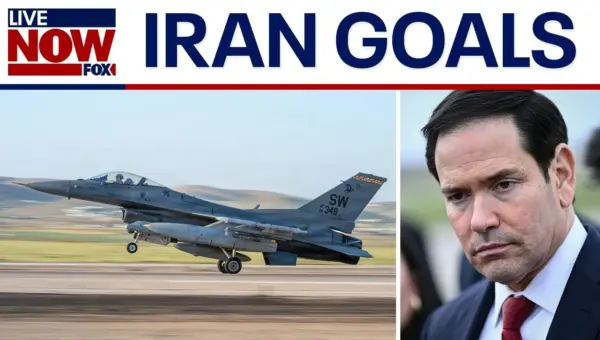
Rubio: US Can Achieve Iran War Goals Without Troops
Senator Marco Rubio outlined a strategy to counter Iran without deploying U.S. ground troops, focusing on weakening the regime and enhancing maritime security. He also criticized Cuba's economic system and expressed concerns about West Bank violence.


Israel Escalates Iran Strikes, Warns of Wider War
Israel has launched significant strikes inside Iran following continued missile fire, warning of further escalation. The conflict risks wider regional instability and economic disruption, especially concerning the Strait of Hormuz.