Strait of Hormuz Unsafe for Shipping, Energy Secretary Warns
The U.S. Energy Secretary has declared the Strait of Hormuz unsafe for shipping due to ongoing Iranian interference. While some tankers are managing to pass, the risk of direct attack remains high, prompting debate over U.S. preparedness and strategic objectives.

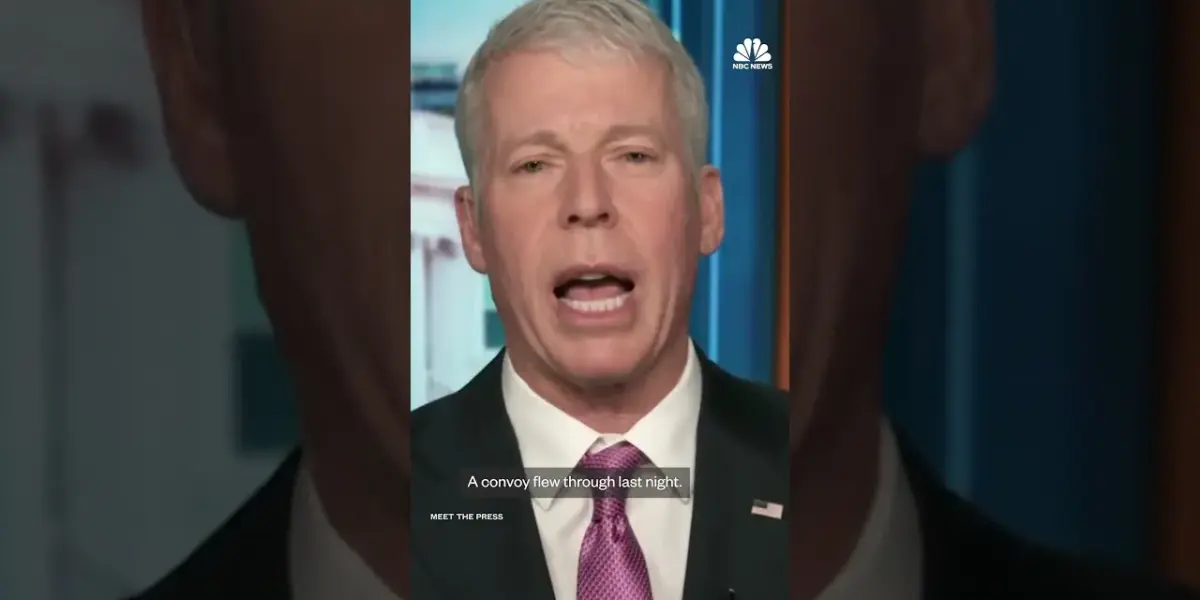
Strait of Hormuz Deemed Unsafe Amidst Ongoing Conflict
The critical maritime chokepoint, the Strait of Hormuz, is currently unsafe for shipping, according to the U.S. Energy Secretary. Despite ongoing threats and disruptions, some tankers are managing to transit the vital waterway, though the risk of direct confrontation remains high.
Iran’s Continued Impediments to Shipping
Since the commencement of the current conflict, Iran has actively impeded the flow of maritime traffic through the Strait of Hormuz. This obstruction continues to be a significant concern for global energy security. The Energy Secretary unequivocally stated, “No. No, it is not [safe]. That’s one of the objectives at the end of this conflict is to reopen the Straits of Hormuz.” He further elaborated on Iran’s actions, noting, “Since the conflict began, Iran has impeded flow through the Straits of Hormuz. Um, and that is still the case today.”
Risk of Direct Attack Despite Some Transit
While Iran’s actions have created a perilous environment, recent events indicate that passage is not entirely impossible. The Secretary confirmed that five tanker ships successfully navigated the straits the previous night, transporting liquefied petroleum gas, liquefied natural gas, and crude oil. “So we know flow through the the straits of Hormuz is possible,” he stated. However, the underlying danger persists: “The risk is if Iran fires on those ships.” The Secretary noted that a convoy transited the strait without incident, suggesting a potential de-escalation or a negotiated passage, possibly with India. “A convoy flew through last night. Iran did not fire on them. Probably they made a deal with India,” he speculated.
Debate Over Preparedness and Strategic Planning
The situation has sparked debate regarding the preparedness of U.S. authorities for such disruptions. Addressing concerns about why the strait is effectively closed, the Secretary pointed to its proximity to the Iranian shoreline as a primary factor. He asserted that the world possesses abundant oil and energy supplies and that a short-term disruption in energy flows was anticipated. He strongly refuted claims of unpreparedness, particularly from figures like Chuck Schumer, calling such statements “foolish” and “to try to undermine the United States in the midst of a world-changing conflict just boggles my mind.”
Mission Execution and Long-Term Goals
The Energy Secretary emphasized the meticulous planning and successful execution of the mission to manage the situation. He expressed confidence in the long-term outcome, stating, “On the other side, we’ll be in a much better place.” The overarching objective, he explained, is to neutralize the primary drivers of global terrorism and threats to international energy supplies. “The greatest driver of terrorism in the world, the greatest threat to global energy supplies will be defanged.” While acknowledging the immediate disruptions, he projected a significantly improved global energy landscape in the near future. “Yes, we have disruption to get there, but we’re going to be in a much much better place in the not too distant future,” he concluded.
Broader Implications for Global Energy Security
The Strait of Hormuz, a narrow waterway connecting the Persian Gulf and the Gulf of Oman, is a critical transit point for global oil supplies, particularly for crude oil and liquefied natural gas. Approximately 20-30% of the world’s seaborne oil trade passes through this strait daily. Any disruption or closure of this vital artery can have immediate and significant repercussions on global energy prices, supply chains, and geopolitical stability. Iran’s actions in the strait are seen as a strategic move to exert influence and pressure in the region, particularly in the context of broader international relations and ongoing conflicts. The U.S. response, as outlined by the Energy Secretary, aims to ensure freedom of navigation and maintain the stability of global energy markets while simultaneously addressing the root causes of regional instability.
Looking Ahead: Monitoring Maritime Activity and Diplomatic Efforts
Moving forward, continuous monitoring of maritime activity in the Strait of Hormuz will be crucial. The international community will be watching closely to see if Iran escalates its actions or if diplomatic efforts can de-escalate tensions and ensure the safe passage of commercial vessels. The success of ongoing missions to secure the strait and the long-term impact on global energy security will be key indicators of the evolving geopolitical landscape in the region.
Source: Strait of Hormuz isn't safe for shipping, energy secretary says, but some tankers getting through (YouTube)

Related Articles

Stocks Ignore War Risks, Focus on “Taco Moments”
Stock markets appear to be overlooking the severe supply chain risks stemming from the Iran conflict, focusing instead on potential diplomatic de-escalations. While the S&P 500 shows resilience, bond and commodity markets signal deep concern over disruptions to critical resources like LNG, helium, and fertilizers.

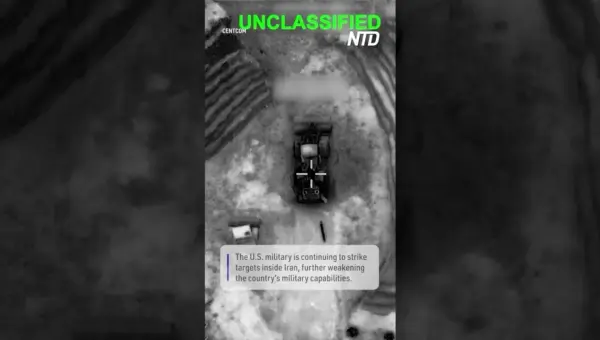
US Strikes Cripple Iran’s Military Might, CENTCOM Reports
U.S. Central Command reports ongoing strikes inside Iran are significantly weakening its military power. This direct action aims to reshape regional security dynamics, but carries risks of escalation. The long-term impact depends on Iran's response and ability to adapt.

U.S. Iran Tensions Rise Amid Shifting Alliances
Rising tensions between the U.S. and Iran are creating a volatile geopolitical situation. With conflicting signals on de-escalation and potential shifts in alliances like NATO and U.S.-Israel relations, the path forward remains uncertain. The global economy and regional stability hang in the balance.