California Faces Teacher Shortage as Educators Seek Exit
California is facing a potential teacher shortage as educators express dissatisfaction with pay, discipline, and the increasing focus on activism in classrooms. Many veteran teachers are considering early retirement, while parents are increasingly seeking alternatives like parochial schools for their children.

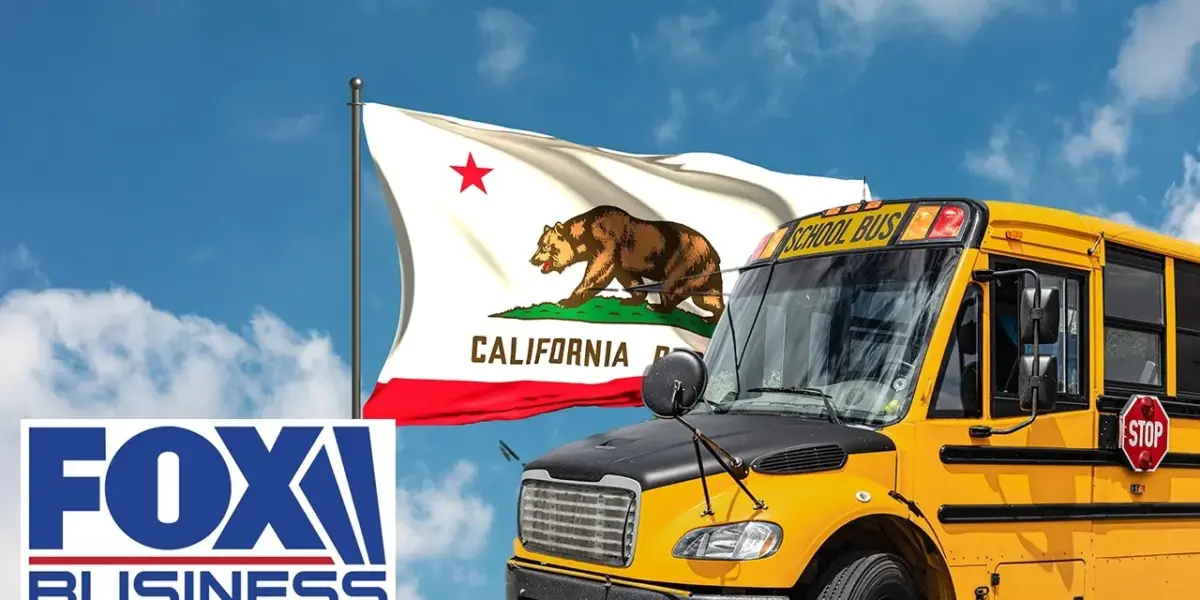
California Schools Brace for Potential Teacher Exodus
California’s education system is on the precipice of a significant teacher shortage, with veteran educators expressing a strong desire to leave the profession. A contributing factor is the aging teacher workforce, with the average age of California teachers hovering around 45 years old – three years older than the national average. This demographic trend, coupled with growing dissatisfaction among educators, points towards a looming crisis in the state’s classrooms.
Financial Strain and Shifting Priorities
A primary driver behind the exodus is financial. Many teachers feel they are not adequately compensated for their work. This sentiment is echoed by former educators who left the profession due to various concerns, including a perceived lack of discipline in schools and a decline in academic standards. One former junior high school teacher, who left the profession in the late 1970s, cited the challenges of maintaining order in a public housing project environment and the absence of robust disciplinary measures as key reasons for her departure.
“One of the reasons I left was discipline in schools without getting arrested and taken to court. The lack of standards,” the former teacher stated, reflecting on her experiences. She contrasted this with her own schooling, where she remembered teachers upholding high standards, a quality she questions in some of today’s incoming educators.
The Rise of Activism in the Classroom
Beyond financial and disciplinary issues, a growing concern among some educators and parents is the increasing emphasis on activism within schools. Anecdotes suggest that some teachers are prioritizing social and political activism over traditional academic instruction. One observation detailed a junior high school teacher proudly discussing her role in leading students to a city-wide protest, raising questions about her focus on classroom management and educational objectives.
“Older teachers say I want out because all of these new activist teachers come in and say they don’t care about that they wanted to turn everybody into the next Burma protester,” one commentator noted, highlighting a perceived shift in pedagogical focus.
Union Leadership and its Influence
The role of union leadership is also brought into question. The shift from more centrist union leaders to figures described as “militant left-wing Democrats” is seen by some as contributing to the changing landscape of education. The influence of such leadership, particularly during the COVID-19 pandemic, where decisions to keep schools closed were made, is cited as having a detrimental impact on students.
“During COVID she said we were not ready to go back to school yet. Okay, keep the schools closed. Kids were permanently damaged as a result,” a speaker recounted, criticizing the impact of prolonged school closures.
The Teacher as Social Worker and Administrator
Many teachers report feeling overwhelmed by administrative tasks and a shift in their role from educator to social worker or babysitter. One educator, who taught for nearly 25 years, retired early because she felt her days were consumed by paperwork rather than teaching. She expressed, “I love teaching kids, I do not like filling out paperwork.” This administrative burden detracts from the core mission of education and contributes to burnout.
Parental Concerns and Alternative Education
These evolving concerns are leading parents to seek alternatives to public education. Some parents are hesitant to enroll their children in public schools, fearing the introduction of ideologies they deem inappropriate for young children, such as gender studies at an early age. This has led to an increased interest in private and parochial schools.
One parent shared, “I am afraid they are doing gender studies when I am three in teaching my daughter how to protest. We are doing the Catholic route. For my family I think that that is the best.”
The Appeal of Parochial Schools
Parochial schools, particularly Catholic institutions, are emerging as a viable alternative for parents seeking a different educational environment. Despite often offering lower salaries than public schools, these institutions are attracting both students and educators due to their perceived emphasis on discipline and traditional academic standards. The cost difference is also a significant factor, with public schools in areas like New York City costing substantially more per student than their parochial counterparts.
“It pays parochial schools like the Catholic schools pay less than the public school spirit there is more discipline allowed,” a commentator observed. “They are just looking for the quality of education. I think the teachers willing to take the pay cut go back to the old school principals of what teaching really means to them… to educate the children, not engage in this activism brainwashing.”
Broader Implications for California’s Future
The potential teacher shortage in California carries significant implications for the state’s future. A decline in the quality and availability of educators could impact student outcomes, exacerbate educational inequalities, and hinder the state’s economic competitiveness. The current discourse suggests a deep divide in the philosophy of education, with a tension between traditional academic goals and the integration of social activism. The rising cost of public education, coupled with concerns about curriculum and classroom environment, is pushing families towards alternatives and may force a broader re-evaluation of the public education system.
What’s Next for California Education?
As California grapples with these challenges, attention will likely focus on potential policy solutions aimed at attracting and retaining teachers, addressing compensation concerns, and clarifying the role of activism in schools. The demand for quality education and the increasing parental engagement in school choice will also shape the future landscape. The coming years will be critical in determining whether California can navigate these complex issues and ensure a stable and effective education system for its students.
Source: CALIFORNIA EXODUS: Shortage INCOMING as teachers warn they ‘want out’ (YouTube)

Related Articles


Impeachment Fears Fuel GOP’s Education Agenda
Concerns about impeaching former President Trump highlight political divisions, while a push to reshape history education raises alarms about biased narratives. The debate over curriculum suggests a broader struggle for control over how the past is understood and taught.
$1.7T Student Debt Now Tops Credit Card Balances
The U.S. student loan debt has reached $1.7 trillion, exceeding credit card debt. The Education and Treasury departments are partnering to improve loan collections and borrower assistance. Efforts also include reforming the FAFSA, embracing AI in schools, and increasing transparency in foreign university donations.

US Childhood Reading Skills Hit Record Lows
Alarming "Nation's Report Card" data reveals that 40% of U.S. fourth-graders are reading below grade level, the highest in over two decades. Experts blame ineffective teaching methods, not a lack of student intelligence, and call for evidence-based instruction and early intervention.