US Readies ‘Insane’ Plan to Topple Iran’s Regime
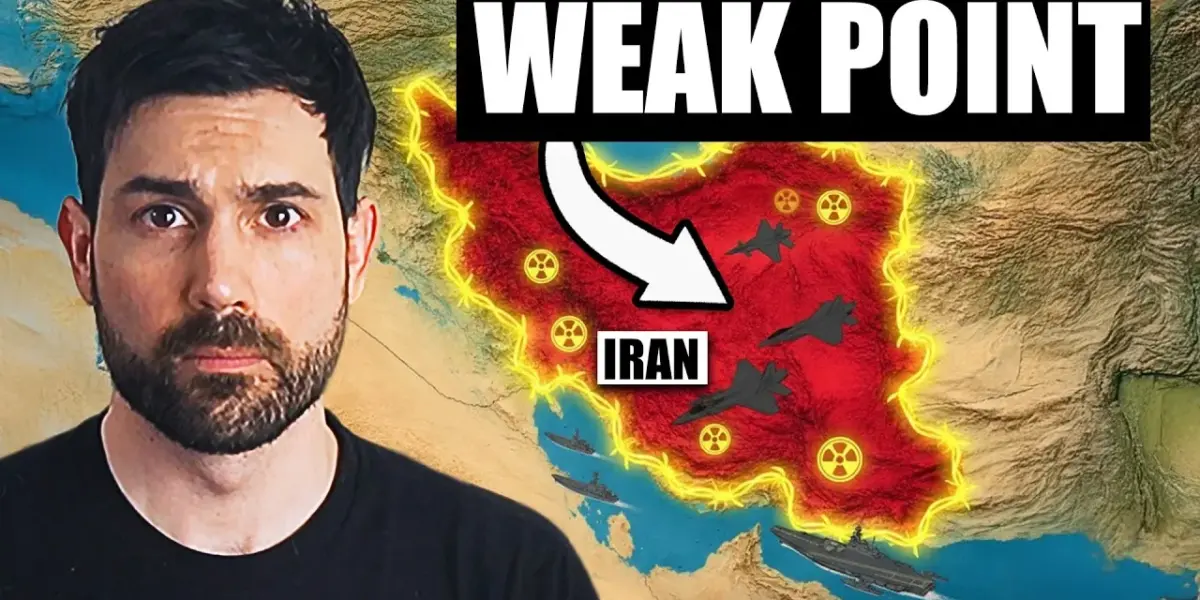
The United States is reportedly executing a multi-faceted strategy to destabilize Iran, combining clandestine support for internal resistance with a significant military buildup. The plan targets Iran's internal security apparatus and missile capabilities, aiming to reshape regional geopolitics.

US Readies ‘Insane’ Plan to Topple Iran’s Regime
A meticulously detailed, albeit covert, operation is reportedly underway by the United States aimed at destabilizing and potentially toppling the Iranian regime. Central to this strategy is the exploitation of vulnerabilities within Iran’s internal security apparatus, particularly the Thrawala headquarters, described as the “internal security brain” responsible for suppressing dissent. The operation involves not only the potential for military strikes but also a sophisticated effort to empower internal resistance movements through clandestine means.
Targeting the ‘Death Star Vent’
The Thrawala headquarters is identified as the critical linchpin for the Islamic Republic’s control during periods of unrest. Its function in quashing rebellions and maintaining order makes it a prime target for any plan seeking to dismantle the current government. Recent reports suggest that China has provided cyber warfare technology to Iran, enhancing its ability to shut down communications and internet access nationwide during protests. The US, however, is reportedly developing a counter-strategy to circumvent these measures and bolster the Iranian populace’s ability to organize and communicate.
Clandestine Support for Resistance
A key component of the US plan involves smuggling thousands of Starlink satellite internet terminals into Iran. These devices are intended to provide a vital communication lifeline for resistance groups, enabling them to coordinate activities and evade crackdowns, even if the national internet is disabled. US operatives, working from neighboring countries like Iraq, Turkey, and Syria, are reportedly utilizing established smuggling routes to deliver these terminals. This operation, while risky and illegal under Iranian law, has already seen thousands of kits successfully introduced into the country.
Furthermore, US special operators are said to be embedded with Iranian Kurdish resistance groups along the western border. These groups have reportedly engaged Iranian guards in cross-border skirmishes, with their commanders indicating a willingness to escalate if provided with US air support. The Institute for the Study of War suggests that Iran’s concern over this militant activity could force it to divert resources away from suppressing internal dissent.
Public Disclosure as a Signal
While the operation is covert, US officials have reportedly confirmed aspects of it, a move interpreted as a deliberate message to resistance groups within Iran, signaling continued and tangible US support. This public acknowledgment, despite the inherent risks and the severe penalties for possessing Starlink terminals in Iran, underscores the strategic importance the US places on fostering an internal uprising.
Exploiting Intelligence Weaknesses
Open-source intelligence, including leaked internal documents from the Thrawala facility, has allegedly provided a detailed blueprint of its command structure, leadership, and vulnerable points. This intelligence is reportedly being used by US war planners to identify specific targets for potential military strikes. The goal is to degrade the regime’s capacity to suppress its own people, thereby creating an environment where protests can escalate into a full-blown overthrow of the government.
Military Buildup and Decapitation Strikes
In parallel with these covert operations, the US military has undertaken its largest buildup in the region since the Gulf War. This includes the deployment of two aircraft carriers, hundreds of fighter jets, and approximately 25,000 additional troops. This significant military presence is reportedly positioning the US for a potential “decapitation strike” aimed at Iran’s key leadership, including General Hosini Najat, who is in charge of the Basij militia – a paramilitary force crucial to the regime’s internal security.
The Basij militia, estimated to be around 100,000 strong, is described as the backbone of the regime’s internal security reserve, responsible for maintaining control through brutal violence. The US plan reportedly involves targeting the headquarters and bases of the Basij and the IRGC (Islamic Revolutionary Guard Corps) throughout Tehran. These targets are strategically located within the city, raising concerns about potential collateral damage and the necessity for precision strikes.
Challenges and Allied Involvement
The complexity of targeting Iran’s decentralized militia network, which includes an estimated 3,000 neighborhood bases and checkpoints, presents a significant challenge. To overcome this, a massive and sustained air campaign may be required, potentially involving US allies like the Israeli Air Force. With over 200 combat aircraft, Israel’s involvement could significantly bolster the combined aerial capabilities, potentially exceeding 400 fighter jets.
While a direct ground raid like the one in Venezuela is considered theoretically possible, the vast distances and terrain within Iran make it a far more difficult and vulnerable undertaking. Helicopters would need to traverse over 500 miles across land, exposing them to significant risk.
Degrading Missile Capabilities
Another critical objective of the US strategy is to neutralize Iran’s missile inventory. Reports suggest that Iran’s missile capabilities have already been significantly reduced, with a substantial portion of its storage depots and launchers destroyed. However, satellite imagery indicates that Iran is actively reinforcing these missile bases, prioritizing them over nuclear facilities, which appear to be largely inoperative following previous strikes.
Key missile infrastructure in western Iran, including bases like Imam Ali and Kermasha, are identified as high-priority targets. Destroying these is crucial, particularly those in the south, which are within range of vital Gulf shipping lanes and Iran’s control of the Strait of Hormuz. Disrupting this route could have severe global economic repercussions, impacting oil supply and potentially angering allies like China.
Geopolitical Motivations and Uncertain Outcomes
The underlying motivation for the US implementing such a strategy is rooted in reshaping the global balance of power. Gaining control over Iranian oil resources, alongside those from Venezuela, would provide the US with a significant strategic advantage over China, which relies heavily on these imports. A key demand in potential negotiations is for Iran to sever its alliance with China.
The potential outcomes of such an operation are vast and unpredictable. Scenarios range from the installation of a pro-US government, similar to the former Shah’s son, to a descent into civil war, mirroring the conflicts in Libya, Syria, and Yemen, which could create power vacuums exploited by terrorist organizations. For the Iranian regime, survival might be considered a victory. For the US and Israel, degrading Iran’s missile capabilities could be declared a success. However, anything short of full regime change may not justify the immense costs involved.
Risks and Skepticism
The massive military deployment carries enormous financial costs and strategic risks. Launching aircraft from carriers would place them within range of potential Iranian ballistic missile attacks. Furthermore, US forces stationed at regional bases are reportedly authorized only for defensive missile interception due to legal constraints with host nations unwilling to be directly involved in offensive operations against Iran.
Despite skepticism from some quarters, the movement of air defense systems like THAAD and Patriot into the region suggests an increasing likelihood of hostilities. The redeployment of these systems from other strategic locations, such as the Pacific, indicates a serious commitment to the potential conflict, highlighting the US military’s limited air defense capacity and its strategic allocation in response to perceived threats.
A Final Piece of the Puzzle?
For neoconservative strategists, the collapse of Iran’s government is seen as the final missing piece in their vision for the Middle East. The narrative suggests that the pursuit of democracy may have been secondary to securing alliances, regardless of the nature of the ruling regime. The analysis draws a parallel to the alleged involvement of individuals like Jeffrey Epstein in arms smuggling for the CIA, hinting at a complex and often hidden history of US foreign policy and its entanglement with clandestine operations and arms networks.
Source: How America Plans to Topple Iran Next (YouTube)

Related Articles


Stocks Ignore War Risks, Focus on “Taco Moments”
Stock markets appear to be overlooking the severe supply chain risks stemming from the Iran conflict, focusing instead on potential diplomatic de-escalations. While the S&P 500 shows resilience, bond and commodity markets signal deep concern over disruptions to critical resources like LNG, helium, and fertilizers.

US Strikes Cripple Iran’s Military Might, CENTCOM Reports
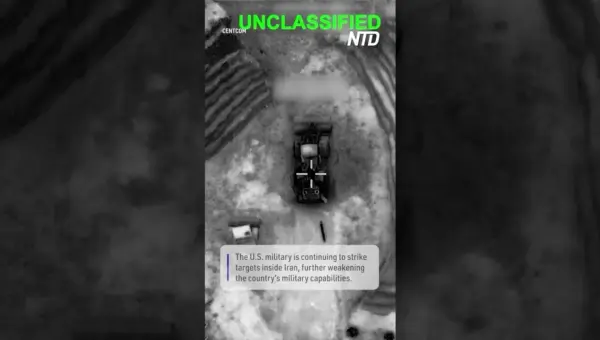
U.S. Central Command reports ongoing strikes inside Iran are significantly weakening its military power. This direct action aims to reshape regional security dynamics, but carries risks of escalation. The long-term impact depends on Iran's response and ability to adapt.

U.S. Iran Tensions Rise Amid Shifting Alliances
Rising tensions between the U.S. and Iran are creating a volatile geopolitical situation. With conflicting signals on de-escalation and potential shifts in alliances like NATO and U.S.-Israel relations, the path forward remains uncertain. The global economy and regional stability hang in the balance.