US Marines Deploy to Iran: A New Escalation in the Persian Gulf?
The deployment of US Marines to the Middle East signals a significant escalation with Iran, focusing on the strategic Kharg Island and the volatile Strait of Hormuz. This analysis explores Iran's asymmetric tactics, historical parallels, and the broader implications for regional stability and global energy markets.

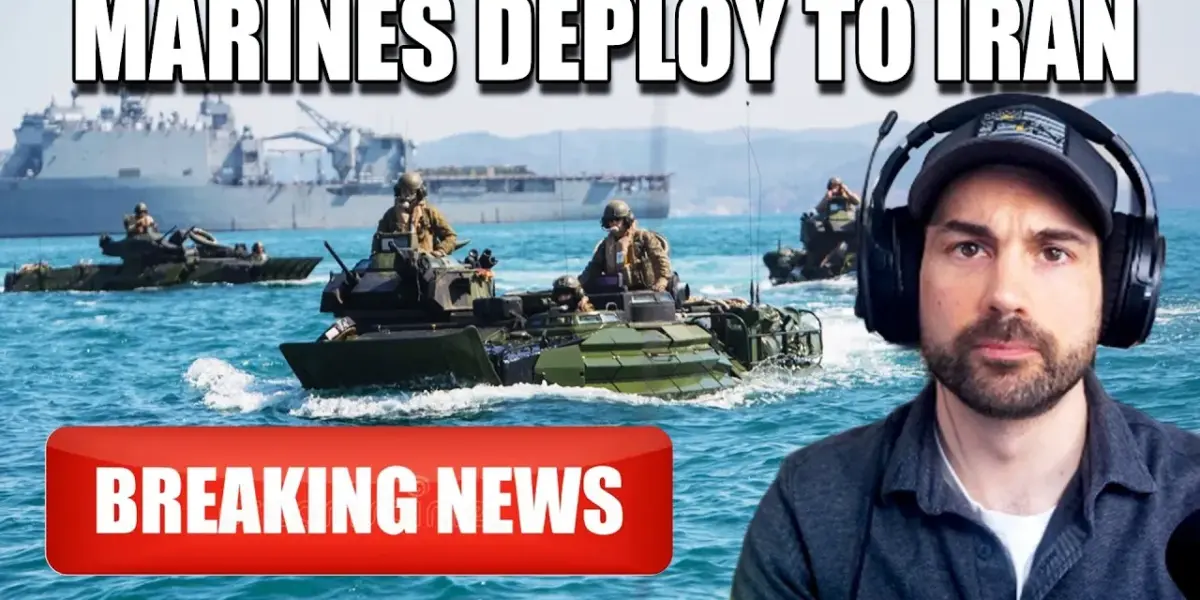
US Marines Deploy to Middle East Amidst Escalating Tensions with Iran
The deployment of the 31st Marine Expeditionary Unit (MEU) to the Middle East signals a significant escalation in the ongoing conflict between the United States and Iran. This move, comprising approximately 2,500 US Marines and accompanied by naval assets like the USS Tripoli, is a direct response to Iran’s escalating actions in the Strait of Hormuz, including attacks on commercial shipping and the use of naval drones. The deployment, expected to take about two weeks to reach the Persian Gulf, underscores the growing strategic importance of this volatile region and the Pentagon’s commitment to maintaining freedom of navigation.
The Strategic Importance of Kharg Island
At the heart of the recent tensions lies Kharg Island, a critical hub for Iran’s oil exports, handling approximately 90% of the nation’s crude oil shipments. The strategic vulnerability of concentrating such vital infrastructure on a single island is highlighted by recent US strikes targeting defensive positions and anti-air systems on Kharg. Historically, Iran’s reliance on Kharg Island for its oil exports stems from its deepwater ports, capable of accommodating the massive oil tankers required for international trade. This singular focus on Kharg Island, while logistically efficient for loading oil via pipelines from mainland and offshore sources, presents a significant chokepoint and a tempting target for adversaries.
Iran’s Asymmetric Warfare Tactics and the Strait of Hormuz
Iran has long employed asymmetric naval warfare tactics, a strategy honed during the Iran-Iraq War’s tanker wars in the 1980s. This approach involves utilizing a combination of naval drones, fast-attack craft laden with explosives, and naval mines to disrupt enemy shipping and project power. The recent attacks on oil tankers, including a US-owned vessel, underscore the effectiveness and persistent threat of these tactics. The UK Maritime Trade Operations has confirmed the use of uncrewed surface vehicles in these attacks, leading to the evacuation of crews from affected vessels. Consequently, the Strait of Hormuz, a vital global energy transit point, has become increasingly perilous, with the U.S. Navy reportedly unable to guarantee the safety of escorted ships.
Historical Precedents and Potential Strategies
The current situation draws parallels to the 1980s tanker wars, where the U.S. Navy, under President Ronald Reagan, escorted reflagged Kuwaiti oil tankers. The current deployment of the 31st MEU suggests a multi-faceted strategy to counter Iran’s actions. Beyond potential amphibious operations, the MEU brings specialized capabilities such as Visit, Board, Search, and Seizure (VBSS) teams, crucial for maritime interdiction operations. The MEU’s considerable arsenal, including F-35 stealth fighters, Ospreys, attack helicopters, and lightly armored vehicles, provides significant offensive and defensive capabilities.
One proposed strategy involves seizing smaller, outlying islands in the Strait of Hormuz to gain reconnaissance advantages or neutralize Iranian tunnel networks. Another possibility is a helicopter-borne mission launched from friendly territory like Kuwait, a less risky alternative to a full-scale amphibious invasion of Kharg Island itself. The deployment of B-52 and B-1 bombers, publicly displayed to project power, further signals the seriousness of the US commitment.
The ‘Shadow War’ in Iraq and Regional Instability
The conflict with Iran is not confined to the maritime domain. Iraq finds itself caught in the crossfire, experiencing attacks from both sides. The presence of US special forces operating on the ground in Iraq, reportedly responding to short-range missile and drone attacks targeting US facilities, highlights the complexities of the ‘shadow war.’ The disruption of shipping through the Strait of Hormuz has severely impacted Iraq’s oil exports, jeopardizing its revenue and potentially leading to widespread unrest if the government cannot meet its payroll obligations. This instability could further exacerbate regional tensions and draw Iraq deeper into the conflict.
Broader Geopolitical Implications and Future Outlook
The deployment and the broader conflict carry significant geopolitical implications. The possibility of China’s navy working alongside the US Navy to secure the Strait of Hormuz, as suggested by President Trump, represents a potential recalibration of international alliances. Furthermore, the lessons learned from this conflict, particularly regarding air defense systems and countering ballistic missile attacks, could inform US strategy in the Indo-Pacific region, especially in the context of potential conflict with China over Taiwan. The effectiveness of current air defense systems against sophisticated missile attacks, as suggested by the analysis of Iranian capabilities, remains a critical concern.
The situation in the Persian Gulf remains fluid and fraught with risk. The deployment of the 31st MEU and the ongoing ‘tanker war’ represent a dangerous escalation that could have far-reaching consequences for regional stability and global energy markets. The strategic decisions made in the coming weeks and months will be crucial in determining whether this conflict can be contained or if it will spiral into a wider conflagration.
Why This Matters
The deployment of US Marines to the Middle East and the escalating tensions with Iran are not merely regional military maneuvers; they represent a critical juncture with global ramifications. The Strait of Hormuz is a linchpin of the world’s energy supply, and any sustained disruption poses a direct threat to global economic stability. The conflict highlights the evolving nature of modern warfare, with the increasing reliance on drones, asymmetric tactics, and the blurring lines between conventional and unconventional conflict. Furthermore, the potential for this regional conflict to spill over into neighboring countries like Iraq underscores the fragility of peace in the Middle East and the interconnectedness of global security. The decisions made now will shape not only the immediate geopolitical landscape but also influence future military doctrines and international relations for years to come.
Source: US Marines Deploy to Iran (YouTube)

Related Articles
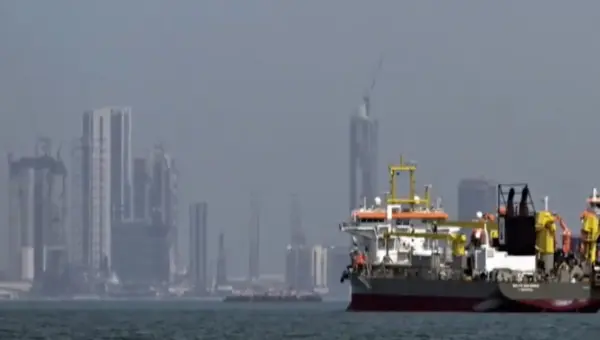
Iran Blocks China Ships, Exposing Beijing’s Weak Grip
Iran's recent decision to block Chinese ships at the Strait of Hormuz is exposing the limits of Beijing's influence in the Middle East. This action is causing delays and cancellations for Chinese manufacturers, turning a perceived geopolitical win into an economic strain.
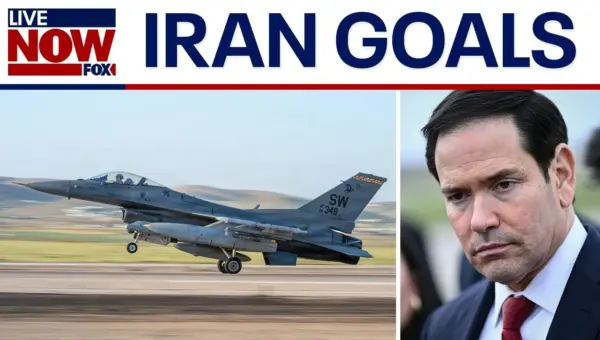
Rubio: US Can Achieve Iran War Goals Without Troops
Senator Marco Rubio outlined a strategy to counter Iran without deploying U.S. ground troops, focusing on weakening the regime and enhancing maritime security. He also criticized Cuba's economic system and expressed concerns about West Bank violence.


Israel Escalates Iran Strikes, Warns of Wider War
Israel has launched significant strikes inside Iran following continued missile fire, warning of further escalation. The conflict risks wider regional instability and economic disruption, especially concerning the Strait of Hormuz.