Trump’s “War on Iran” Ignites Global Chaos and Weakens US
An analysis argues that Donald Trump's foreign policy decisions have ignited a global conflict, weakening US standing and emboldening adversaries. From escalating tensions in the Middle East to repercussions in Korea and Europe, the current world order is depicted as unstable and economically precarious.

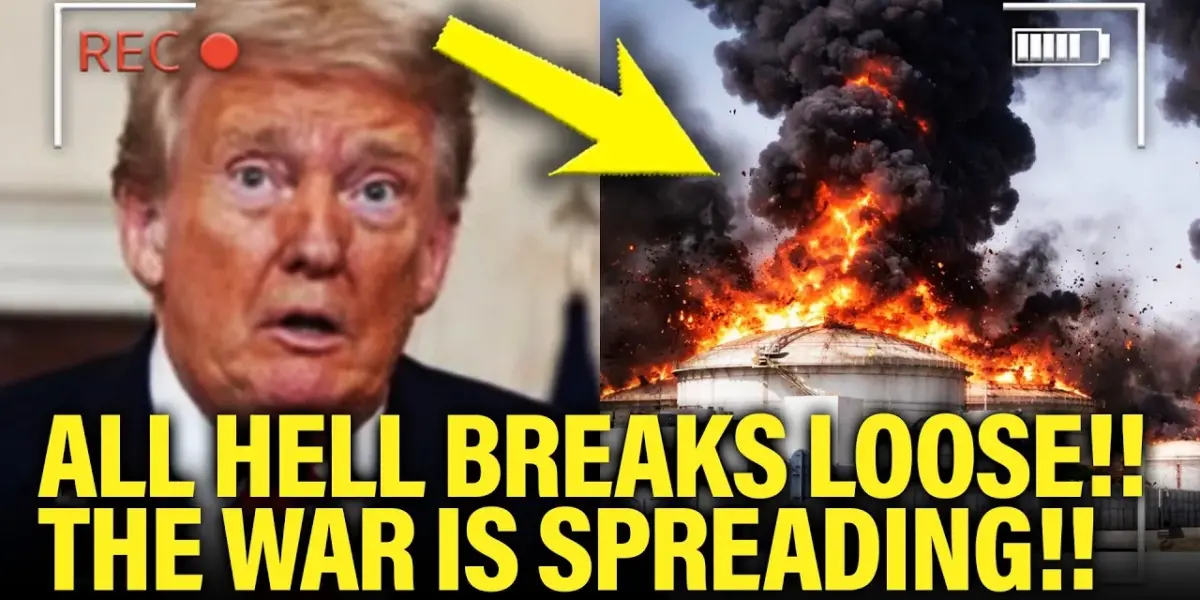
Trump’s “War on Iran” Ignites Global Chaos and Weakens US
The current geopolitical landscape is increasingly described as a global conflagration, with the conflict involving Iran and its allies spreading far beyond the Middle East. This escalation, according to critics, is directly linked to decisions made by Donald Trump, which have purportedly weakened America’s standing and created a vacuum exploited by adversaries. The narrative presented is one of a world at war, fueled by a series of strategic missteps and a perceived abandonment of traditional alliances.
Iran’s Bold Stance and Shifting Alliances
Iran’s foreign minister has issued a stark statement, asserting that the US security umbrella has proven “full of holes,” inviting rather than deterring trouble. The minister further claims that the United States is now appealing to nations like China for assistance in securing maritime routes, a sign of perceived weakness. Iran is reportedly calling upon its neighbors to expel foreign aggressors, particularly highlighting Israel’s influence. This rhetoric suggests a significant shift in regional dynamics, where US security guarantees are now viewed as liabilities rather than assets, leaving Arab and Asian allies feeling exposed.
A World on Edge: From Korea to Ukraine
The instability is not confined to the Persian Gulf. The transcript points to several other flashpoints as evidence of a widening global conflict:
- North Korea: Pyongyang has launched multiple ballistic missiles towards the Sea of Japan, a move seen as a direct response to ongoing South Korea-US military drills. These drills, it is suggested, involved the removal of THAAD and Patriot missile systems from South Korea to bolster defenses in the Middle East, leaving South Korea more vulnerable and North Korea emboldened.
- Moldova: Russian drones, identified as Iranian-manufactured Shahed drones, have reportedly crossed into Moldovan airspace during large-scale strikes on Ukraine. This incident, occurring in the wake of a significant Russian assault on Ukrainian infrastructure and civilian areas, underscores the interconnectedness of these conflicts.
- Ukraine: The ongoing war in Ukraine is presented as a backdrop against which other conflicts are intensifying. The alleged use of Iranian drones by Russia against Ukraine, and their subsequent appearance in Moldova, highlights a growing collaboration between Moscow and Tehran.
The Economic Fallout: Oil Prices and Russian Bailouts
A central argument is that Donald Trump’s policies have inadvertently provided a significant economic bailout to Russia. By reportedly removing oil sanctions against Iran, Iran is now able to sell its oil on the global market. This influx of oil, while presented by some as temporary, is seen by critics as contributing to high oil prices. The transcript posits that this benefits Russia, whose economy was reportedly struggling, and contrasts this with the stance of European nations and G7 members, many of whom reportedly condemned these actions and expressed shock.
Russia-Iran Cooperation and US Isolation
The narrative suggests a deepening strategic partnership between Russia and Iran, with both nations publicly expressing solidarity against the United States. This cooperation is seen as directly facilitated by Trump’s policies. Furthermore, the transcript claims that attempts by Ukraine to share interceptor drone technology and intelligence with the US to counter Iranian-supplied drones have been rebuffed by Trump, who is characterized as dismissive of Ukrainian President Zelenskyy’s assistance. This rejection is framed as a critical error, given Ukraine’s expertise in dealing with such threats, and a sign of Trump’s alleged personal animosity and strategic shortsightedness.
The Collapse of the US Security Umbrella
The Iranian foreign minister’s assertion of a “collapsed” US security umbrella is echoed by reports of attacks on US interests and allies. The port of Fujairah in the UAE, a key export hub, is described as having been attacked, and the US embassy in Baghdad has reportedly advised American citizens to evacuate Iraq. These incidents are presented as direct consequences of the perceived weakness and unreliability of US security commitments.
Hamas, Hezbollah, and Escalating Regional Tensions
The conflict is also framed as a broader struggle against American influence. A Hamas leader is quoted as calling the current situation a “battle of liberation from American domination.” The situation in Lebanon is also depicted as deteriorating, with reports of hospitals being destroyed and medical professionals killed during Israeli operations against Hezbollah. This, coupled with escalating Israeli actions, is said to be further alienating regional populations and pushing them towards Iran.
Iran’s Demands and Global Economic Catastrophe
Senior Iranian officials have laid out clear demands for ending hostilities: full compensation for damages and complete US withdrawal from the Persian Gulf. Failure to meet these demands, they state, will result in the continued use of Shahed drones and the obstruction of the Strait of Hormuz, potentially driving oil prices to $200 a barrel and triggering a global economic catastrophe. The transcript includes a statement from an Iranian official emphasizing that the Strait of Hormuz will not be opened until these conditions are met, portraying US presence as the root cause of instability.
Clean Energy Neglect and Energy Crisis
The argument extends to the realm of energy policy, suggesting that Trump’s hostility towards clean energy initiatives has exacerbated the current energy crisis. By dismantling clean energy programs, the US has allegedly become more reliant on fossil fuels, making it more vulnerable to oil price shocks. This is presented as a strategic failure, putting America last under the guise of an “America First” agenda.
Jared Kushner’s Controversial Dealings
The role of Jared Kushner is highlighted, with allegations that he is soliciting significant funds from Middle Eastern governments for his private equity firm while simultaneously serving as a US envoy in the region. This is described as a “pay-for-play” scheme, where financial investments are allegedly exchanged for US protection and political favors. The transcript suggests that these deals are not based on genuine affection but on transactional interests, and that the US is failing to uphold its end of the bargain, leaving allies vulnerable.
Historical Context and Future Outlook
The analysis draws parallels to past diplomatic failures and warnings, referencing a 2025 exchange where Ukrainian President Zelenskyy cautioned Donald Trump about the potential for the US to one day need help, despite its current perceived security. The transcript suggests that Trump’s policies have not only alienated allies but have also exposed American vulnerabilities, potentially leading to increased American casualties and a prolonged period of global instability. The future outlook is painted as grim, with the potential for escalating conflicts, economic crises, and a diminished role for the United States on the world stage.
Why This Matters
The core argument presented is that the current global instability, characterized by escalating conflicts and economic uncertainty, is not an inevitable outcome but a consequence of specific policy choices attributed to Donald Trump. The alleged weakening of US alliances, the perceived emboldening of adversaries like Russia and Iran, and the exacerbation of energy crises all point to a significant geopolitical shift. The implications are far-reaching, potentially leading to increased geopolitical tensions, global economic disruption, and a redefinition of international power dynamics. The narrative urges recognition of these perceived failures to potentially avert further escalation and mitigate future risks.
Implications, Trends, and Future Outlook
The trend identified is one of increasing global fragmentation and a decline in US hegemonic influence, driven by what is characterized as erratic and self-serving foreign policy. Adversaries are perceived as capitalizing on perceived American weakness and division. The future outlook suggests a continued spiral of conflict, economic hardship, and a potential realignment of global power, with nations like Russia and China playing more prominent roles. The reliance on fossil fuels, coupled with the neglect of clean energy, is seen as a critical vulnerability that will continue to be exploited.
Source: All HELL BREAKS LOOSE as Trump Causes WAR TO SPREAD!!! (YouTube)

Related Articles

US Cardinal’s Papal Upset Redraws Vatican Influence
Pope Francis's election defied expectations, including his own, as an American cardinal believed an "American" Pope was unthinkable. The swift conclave surprised many, highlighting the unpredictable nature of papal selections and signaling a potential shift in the Church's global direction.
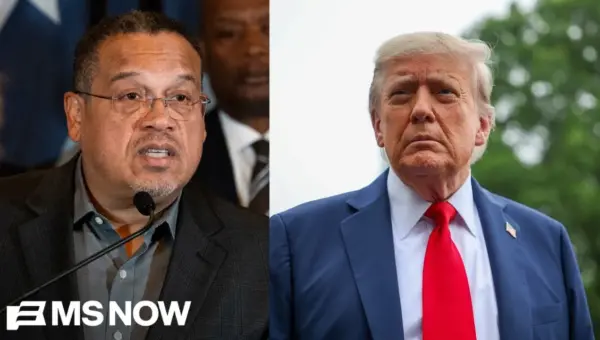
MN AG Blasts Trump’s ‘Wicked’ Insults Amid ‘No Kings’ Protests
Thousands protested President Trump's policies nationwide, with Minnesota AG Keith Ellison condemning his "wicked" and "corrupt" nature. Ellison also discussed a state lawsuit against the federal government over withheld evidence in officer-involved shootings.
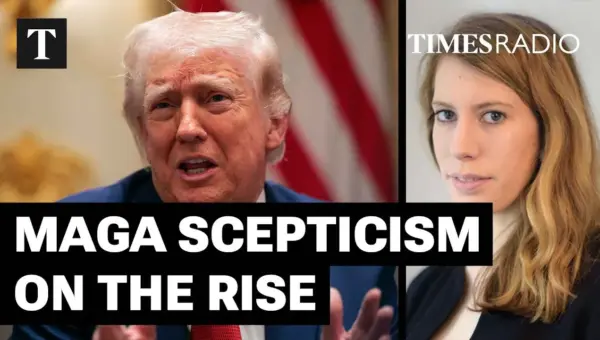
Trump’s War Strategy Faces Skepticism Amidst Shifting Goals
President Trump's strategy in the ongoing Middle East conflict is facing increasing skepticism, even from his own base. While military actions have seen success, strategic goals are unclear and diverging from allies like Israel. The prolonged war and shifting public perception are creating a sense of uncertainty and doubt.