Judge Blocks Subpoenas, Citing Harassment of Fed Chair Powell
A federal judge has blocked Justice Department subpoenas targeting Federal Reserve Chair Jerome Powell, ruling they were intended to harass and pressure him. The decision highlights the ongoing tensions between the administration and the independent central bank, raising concerns about political interference in economic policy.

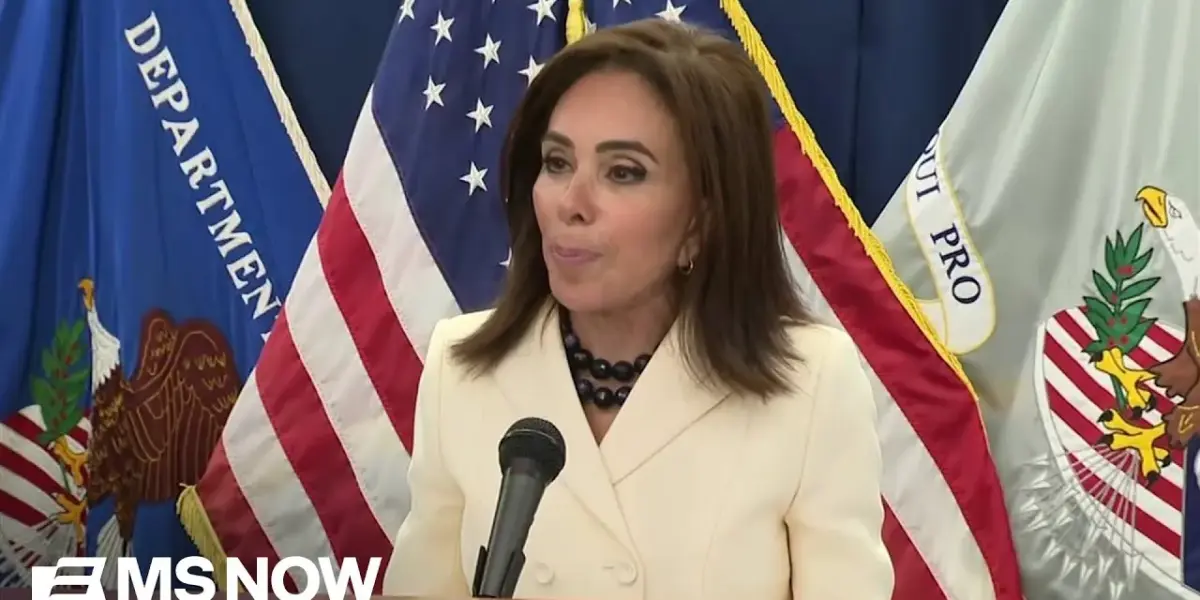
Federal Judge Halts Justice Department Subpoenas Targeting Fed Chair Powell
In a significant judicial rebuke, a federal judge has blocked a pair of subpoenas issued by the Justice Department to Federal Reserve Chair Jerome Powell. The subpoenas sought records related to a major renovation at the central bank. U.S. District Judge James Boasberg issued a scathing ruling, stating that there was “abundant evidence” the subpoenas’ primary, if not sole, purpose was to “harass and pressure Powell, either to yield to the president or to resign and make way for a Fed chair who will.” This decision represents a major setback for the administration’s efforts to influence the Federal Reserve and its leadership.
Broader Implications for Central Bank Independence
The ruling has far-reaching implications for the independence of the Federal Reserve, a cornerstone of economic stability. Natasha Sarin, a Professor at Yale Law School and President of the Budget Lab at Yale, commented on the significance of the decision. “This is a really sort of important moment for the rule of law, for institutions in this country, and for central bank independence,” Sarin stated. She explained that Judge Boesberg’s decision reinforces the principle that the Federal Reserve should operate free from political pressure, particularly concerning interest rate policy. “The president would like to see lower interest rates and would like to see a different Fed chair,” Sarin noted, suggesting the subpoenas were a pretext to achieve these political aims.
“There is abundant evidence that the subpoena’s dominant, if not sole purpose is to harass and pressure Powell, either to yield to the president or to resign and make way for a Fed chair who will.”
Judge James Boasberg
Criticism Mounts Against D.C. U.S. Attorney’s Office
The ruling also casts a shadow over the performance of the U.S. Attorney’s office in Washington D.C., under the leadership of Janine Pirro. Critics point to a series of perceived failures and stalled investigations. Pirro’s office has reportedly struggled to secure convictions in high-profile cases, including the prosecution of an individual accused of throwing a sandwich at federal agents. Furthermore, investigations into Democratic lawmakers who allegedly urged military members to disobey unlawful orders have been closed. A criminal probe into whether former President Joe Biden and his aides unlawfully used an autopen for pardons has also reportedly been dropped. Pirro herself expressed strong disapproval of Judge Boesberg’s ruling, stating, “He has neutered the grand jury’s ability to investigate crime. As a result, Jerome Powell today is now bathed in immunity, preventing my office from investigating the Federal Reserve. This outrageous decision will be appealed by the United States Department of Justice.”
The Fed Chair’s Role and Economic Challenges
The position of Federal Reserve Chair is arguably one of the most critical in the country, second only to the President. The role involves navigating complex monetary policy, including setting interest rates to manage inflation and unemployment, as well as overseeing bank supervision and ensuring the financial system’s stability. “The reason kind of the special sauce part of it, at least, of what makes the American economy great is that that role is one that is insulated from politics,” Sarin emphasized. Historical examples, such as President Nixon’s pressure on Fed Chair Arthur Burns, serve as cautionary tales, leading to inflation and economic disaster. The potential appointment of a new Fed chair, Kevin Warsh, faces a challenging landscape, compounded by political interference and global economic uncertainties.
Geopolitical Tensions and Inflationary Pressures
Adding another layer of complexity to the Federal Reserve’s mandate is the escalating geopolitical situation, particularly the conflict in Iran. The war has driven up energy prices, exacerbating inflationary pressures. This directly contradicts the administration’s stated desire for lower interest rates. “By initiating this war in Iran that is driving up energy prices and driving up inflation through actions like the tariffs, he is making all of that harder,” Sarin observed. Before the conflict, market expectations favored multiple rate cuts in the summer. Now, the outlook suggests only one cut, likely in the fall. This situation creates a difficult paradox for a potential new Fed chair, who may be pressured to lower rates while simultaneously facing economic conditions that necessitate higher rates to combat inflation.
Judiciary as a Bulwark of the Rule of Law
Despite the political maneuvering and economic turbulence, legal experts like Professor Sarin express optimism in the resilience of the American institutions. The judiciary, in particular, is seen as a crucial safeguard for the rule of law. “I think it’s a great fact that the rule of law still reigns supreme in this country,” Sarin stated, highlighting Judge Boesberg’s decision and a recent Supreme Court ruling that pushed back against the administration’s actions. These judicial interventions are viewed as essential checks on potentially unlawful executive overreach. Sarin concluded, “America’s future is in the hands of the judiciary,” underscoring its vital role in protecting institutional independence and upholding democratic principles.
What’s Next?
The Department of Justice’s intention to appeal Judge Boesberg’s ruling will be closely watched. The confirmation process for any new Federal Reserve Chair will also be under intense scrutiny, particularly regarding their commitment to central bank independence. Furthermore, the ongoing impact of geopolitical events on inflation and interest rate policy will continue to shape the economic landscape, presenting significant challenges for policymakers and the public alike.
Source: Trump, Pirro HUMILIATED by judge (YouTube)

Related Articles

Iran Conflict Sparks Market Volatility, Experts Weigh In
Geopolitical tensions in the Middle East have rattled global markets, with stocks falling and safe-haven assets like the U.S. dollar strengthening. Experts suggest the market may have overreacted, creating potential buying opportunities, but warn of a "bumpy journey" ahead due to infrastructure damage and potential oil shortages. Concerns also linger about the Federal Reserve's independence amidst political commentary.


Rate Hike Fears Spark Market Sell-Off, Geopolitics Add Fuel
Markets are reeling as a surprising shift in Federal Reserve expectations, with rate hikes now being priced in, combines with escalating Middle East tensions. This has triggered a liquidity crunch across assets, impacting everything from stocks to bonds and gold.
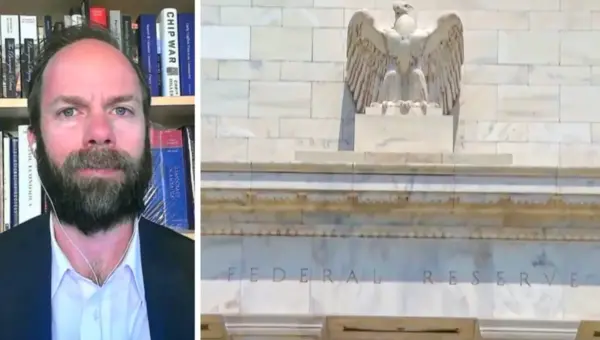
Shrink the Fed: AI and Smarter Data Can Boost Efficiency
Economist Paul Mueller proposes downsizing the Federal Reserve, arguing that AI and real-time data analysis can boost efficiency. He suggests cutting non-core programs and reducing staff to improve focus and cost control.