Iran’s New Leader Vanishes From Public View After Appointment
Iran's designated new Supreme Leader, Mojtaba Khamenei, has not appeared publicly following reports of his father's death, fueling speculation about his health and political standing. This mysterious absence raises critical questions about the stability of the succession and the future direction of the Islamic Republic.

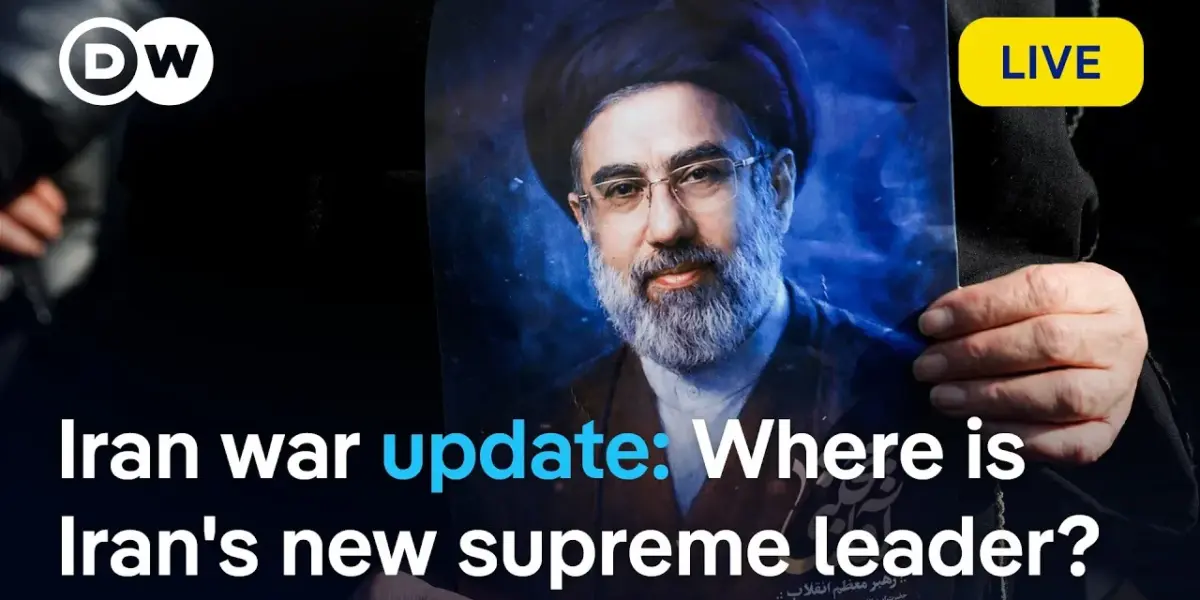
Mysterious Absence of Mojtaba Khamenei Raises Questions in Iran
Tehran, Iran – Days after being reportedly named Iran’s new Supreme Leader, Mojtaba Khamenei has conspicuously avoided public appearances, sparking widespread speculation and concern within and outside the Islamic Republic. The sudden silence from the individual designated to succeed his father, Ali Khamenei, following the latter’s alleged death, has created a vacuum of information and fueled uncertainty about the future leadership of Iran.
Succession Shrouded in Secrecy
The circumstances surrounding the transition of power in Iran have historically been opaque, but the current situation surrounding Mojtaba Khamenei’s absence is particularly striking. Following reports of Ali Khamenei’s demise, the selection of Mojtaba, his son, as the next Supreme Leader was swiftly announced. However, the expected public pronouncements and visible assumption of duties have not materialized. This lack of visibility is unprecedented for a figure stepping into such a pivotal role in the Iranian political system.
In Iran’s unique political structure, the Supreme Leader holds ultimate authority, wielding significant influence over the executive, legislative, and judicial branches of government, as well as the military and security forces. The smooth and public transfer of this immense power is crucial for maintaining stability. Mojtaba Khamenei’s continued absence from the public eye raises critical questions about the internal dynamics of the succession process and the stability of the regime.
Speculation Mounts Over Health and Political Standing
Analysts and observers are offering various theories to explain Mojtaba Khamenei’s disappearance from public view. One possibility is that he may be unwell, either physically or mentally, leading to a temporary withdrawal from public duties. Another theory suggests that his political standing within the complex power structures of Iran may be weaker than initially assumed, and his supporters are working behind the scenes to consolidate his authority before a public unveiling.
The clerical establishment and the security apparatus play a significant role in Iranian politics, and any perceived weakness in the new leader could be exploited by rivals. The delay in his public appearance might be an attempt to manage these internal political challenges and ensure a unified front before presenting the new leadership to the nation and the world.
The Role of the Supreme Leader in Iran
The Supreme Leader is the highest political and religious authority in Iran. Appointed by the Assembly of Experts, a body of senior clerics, the Leader serves for life or until they are removed from office. The current Supreme Leader, Ali Khamenei, has held the position since 1989, succeeding Ayatollah Ruhollah Khomeini. His tenure has been marked by significant domestic and international events, including the Iran-Iraq War, the nuclear program negotiations, and various periods of heightened tension with the West.
The Supreme Leader’s responsibilities include defining the general policies of the Islamic Republic, supervising the implementation of these policies, appointing and dismissing key officials, including the heads of the judiciary, state radio and television, and the commanders of the armed forces. The power vested in this office makes the succession process a matter of national and international importance. Mojtaba Khamenei, if indeed the successor, faces the immense task of filling his father’s shoes, a role that demands not only political acumen but also significant religious and popular legitimacy.
Impact on Iran’s Domestic and Foreign Policy
The uncertainty surrounding Mojtaba Khamenei’s leadership could have profound implications for Iran’s future. Domestically, it may embolden reformist or hardline factions seeking to influence the new leadership. The lack of a clear, visible figurehead could also lead to a period of internal power struggles, potentially impacting governance and stability.
Internationally, the absence of a defined leader could create a vacuum in decision-making, particularly on critical issues such as the nuclear program, regional conflicts, and relations with global powers. Foreign governments will be closely watching for any signs of consolidation of power or internal dissent, as these could shape Iran’s engagement with the world in the coming months and years.
Looking Ahead: What to Watch For
The coming days and weeks will be crucial in determining the trajectory of Iran’s leadership. The primary focus will be on whether Mojtaba Khamenei makes a public appearance and assumes his duties. Any further delays or official statements attempting to explain his absence will be scrutinized for clues about the internal political landscape. Observers will also be looking for signs of unity or division within the ruling establishment, as well as any shifts in policy pronouncements that might indicate the direction of the new leadership. The international community will be particularly attentive to how this period of transition impacts Iran’s geopolitical stance and its engagement on global issues.
Source: Why is Iran's new supreme leader Mojtaba Khamenei not appearing on camera? | DW News (YouTube)

Related Articles
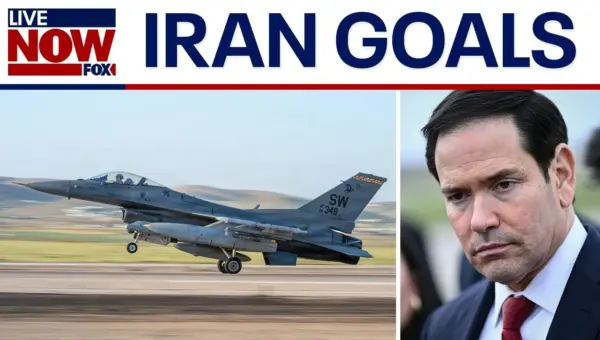
Rubio: US Can Achieve Iran War Goals Without Troops
Senator Marco Rubio outlined a strategy to counter Iran without deploying U.S. ground troops, focusing on weakening the regime and enhancing maritime security. He also criticized Cuba's economic system and expressed concerns about West Bank violence.
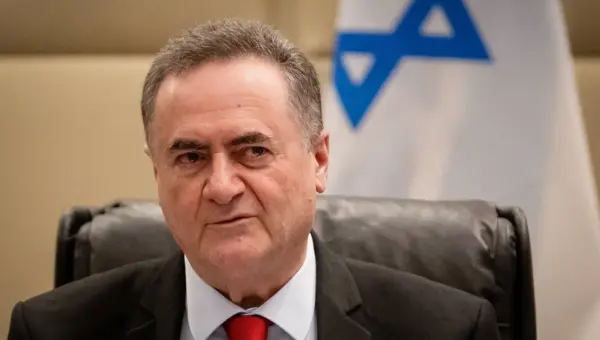
Israel Escalates Iran Strikes, Warns of Wider War
Israel has launched significant strikes inside Iran following continued missile fire, warning of further escalation. The conflict risks wider regional instability and economic disruption, especially concerning the Strait of Hormuz.
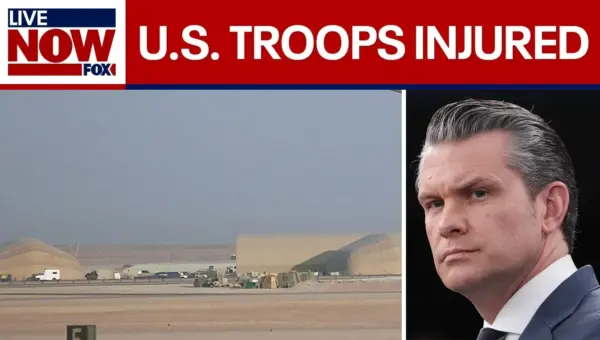
US Troops Wounded in Saudi Base Attack by Iran
An Iranian missile attack on Prince Sultan Air Base in Saudi Arabia wounded multiple U.S. service members and damaged aircraft. The incident highlights the ongoing risks in the Middle East and the limitations of air defense systems. Analysts discuss the strategic implications, economic pressures, and the isolation of Iran amidst the conflict.