US Launches Intense Strikes on Iran, Eyes Global Oil Impact
The United States has launched its most intense day of strikes against Iran, aiming to cripple its offensive capabilities. This escalation coincides with global concerns over rising oil prices and potential U.S. policy shifts on sanctions, impacting domestic politics and regional stability.

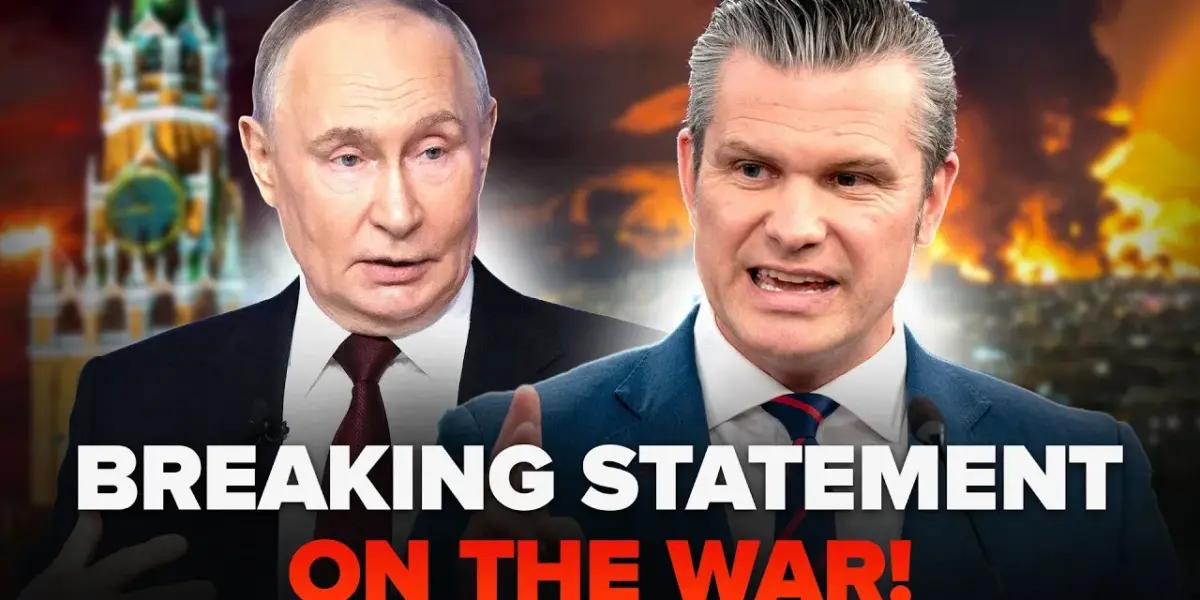
US Escalates Military Action Against Iran with “Most Intense Day of Strikes”
The United States has initiated what the Pentagon is describing as the “most intense day of strikes” against Iran, signaling a significant escalation in military operations in the region. The operation, aimed at crippling Iran’s offensive capabilities, involves a massive deployment of bombers and strike systems, as confirmed by U.S. Defense Secretary Pet Hacket. The objectives include the destruction of naval vessels, land-based rocket launchers, and securing nuclear materials. This move follows hints from President Trump and the Defense Secretary, who have been awaiting the degradation of Iran’s air defense systems. According to intelligence assessments, approximately 90% of Iran’s surface-to-air defense systems have been neutralized, creating a perceived safer environment for deploying larger assets like the B-52 bombers for a comprehensive bombing campaign.
Global Oil Market in Focus Amidst Iran Conflict and Sanctions Policy
The escalating conflict with Iran has sent global oil prices soaring, exceeding $100 a barrel and prompting discussions about potential U.S. policy shifts. President Trump has indicated a willingness to lift oil sanctions on certain countries to mitigate rising prices, a move echoed by Secretary of State Marco Rubio. While specific nations were not named, the easing of sanctions could potentially benefit countries like India, which has already been permitted by Bashon to purchase Russian oil. This policy consideration is particularly sensitive given the upcoming U.S. congressional elections, where fuel prices traditionally play a significant role in voter sentiment. The specter of stagflation or recession looms if oil prices continue to climb, a scenario the White House is keen to avoid.
“What people really want in this country, and that is the Federal Reserve boards, etc., they do not want to see the price of oil spike to $150 dollars a barrel. This would be a precipice point… looking at the potential for a stagflation or a recession by the end of this year.”
Domestic Political Ramifications: Fuel Prices and Approval Ratings
The surge in gasoline prices directly impacts American households and has historically influenced voter sentiment, particularly in the lead-up to elections. Reports indicate that Donald Trump’s approval rating has dipped to 44%, with a significant portion of respondents disapproving of his performance. Factors contributing to this decline are multifaceted, including the rising cost of living, stagnant wages, and the economic fallout from policies and international conflicts. The war against Iran, in particular, is noted as being less popular than the Iraq War was at its conclusion, raising concerns about its long-term impact on the current administration’s standing. The administration is already facing requests for substantial supplemental funding, adding to the economic strain.
Strategic Considerations: Potential Assassination and Regional Stability
Reports suggest that Donald Trump has considered supporting the assassination of Iran’s new Ayatollah, should he refuse to comply with U.S. demands, potentially including nuclear disarmament. Such a move, reportedly to be carried out by Israel, raises profound questions about regional stability and the likelihood of further escalation. Experts draw parallels to past interventions, such as the NATO campaign in Libya, which, despite initial perceived success, led to prolonged sectarian violence and a fractured state. Concerns are mounting over the potential for a refugee crisis from Iran, a nation of 100 million people, with no apparent contingency plans in place.
Iran’s Response and Asymmetric Warfare Capabilities
Iran has declared its readiness to sustain missile strikes on U.S. bases and assets for an extended period, stating that negotiations with the United States are no longer on the agenda. While maintaining that it is not interfering with shipping in the Strait of Hormuz, Iran’s military strategy appears to be evolving. Beyond traditional military assets and domestic infrastructure, the U.S. and Israel are increasingly focused on Iran’s drone capabilities, a threat that Ukraine had previously warned about. These non-traditional weapons systems pose a significant challenge to existing U.S. defenses in the region and could endanger maritime traffic. The reliance on proxies and non-uniform personnel also presents a persistent threat of terror acts, destabilizing governments across the region and potentially beyond.
Shifting U.S. Stance on Drone Technology and International Cooperation
A notable shift has occurred in the U.S. approach to drone interception technology. Just months prior, the United States reportedly rejected Ukrainian technologies for intercepting Iranian drones. However, current reports indicate that Washington is now seeking assistance, acknowledging a significant oversight in not taking Ukraine’s expertise seriously enough. This prior dismissal is now seen as a major mistake in the lead-up to the conflict, highlighting a missed opportunity for enhanced defense capabilities.
U.S. Policy Towards Cuba and Venezuela Amidst Regional Realignment
The U.S. administration is actively engaged in shaping the political future of Cuba, describing potential scenarios as either a “friendly takeover” or an “unfriendly scenario.” A friendly takeover involves a negotiated transition with the current leadership, aiming to avoid internal conflict and civil war, similar to the approach taken in Venezuela. Cuba’s increasing isolation, due to international pressure and reduced support from allies, is seen as creating leverage for the U.S. in pushing for an agreement. Meanwhile, in Venezuela, while the current leadership remains in place, the U.S. is working to stabilize the economy, with oil trade now conducted in dollars and significant gold reserves transferred to the United States. The emphasis is on dollarization and economic restructuring, even if oil futures development is projected to take over a decade.
Looking Ahead: The Unfolding Consequences of the Iran Conflict
The coming weeks will be critical in assessing the long-term consequences of the intensified strikes against Iran. The international community will be closely watching the impact on global oil markets, the potential for further regional destabilization, and the domestic political fallout within the United States. The effectiveness of Iran’s asymmetric warfare capabilities, particularly its drone technology, will be a key factor in determining the trajectory of the conflict. Furthermore, the U.S. administration’s ability to navigate the complex geopolitical landscape, manage economic pressures, and maintain domestic political support will be paramount in the months ahead.
Source: 😱Putin caught off guard! US takes extreme step. Major decision (YouTube)

Related Articles

Stocks Ignore War Risks, Focus on “Taco Moments”
Stock markets appear to be overlooking the severe supply chain risks stemming from the Iran conflict, focusing instead on potential diplomatic de-escalations. While the S&P 500 shows resilience, bond and commodity markets signal deep concern over disruptions to critical resources like LNG, helium, and fertilizers.

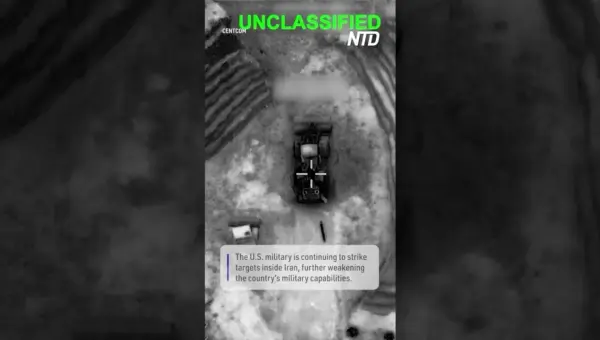
US Strikes Cripple Iran’s Military Might, CENTCOM Reports
U.S. Central Command reports ongoing strikes inside Iran are significantly weakening its military power. This direct action aims to reshape regional security dynamics, but carries risks of escalation. The long-term impact depends on Iran's response and ability to adapt.

U.S. Iran Tensions Rise Amid Shifting Alliances
Rising tensions between the U.S. and Iran are creating a volatile geopolitical situation. With conflicting signals on de-escalation and potential shifts in alliances like NATO and U.S.-Israel relations, the path forward remains uncertain. The global economy and regional stability hang in the balance.