Trump’s Tariff Reversal: A Costly Legal Misstep Unfolds
A recent court ruling mandating immediate refunds of Trump-era tariffs, with interest, has exposed potential administrative incompetence. The government's inability to comply swiftly highlights the costly legal and financial repercussions of the administration's trade policies.

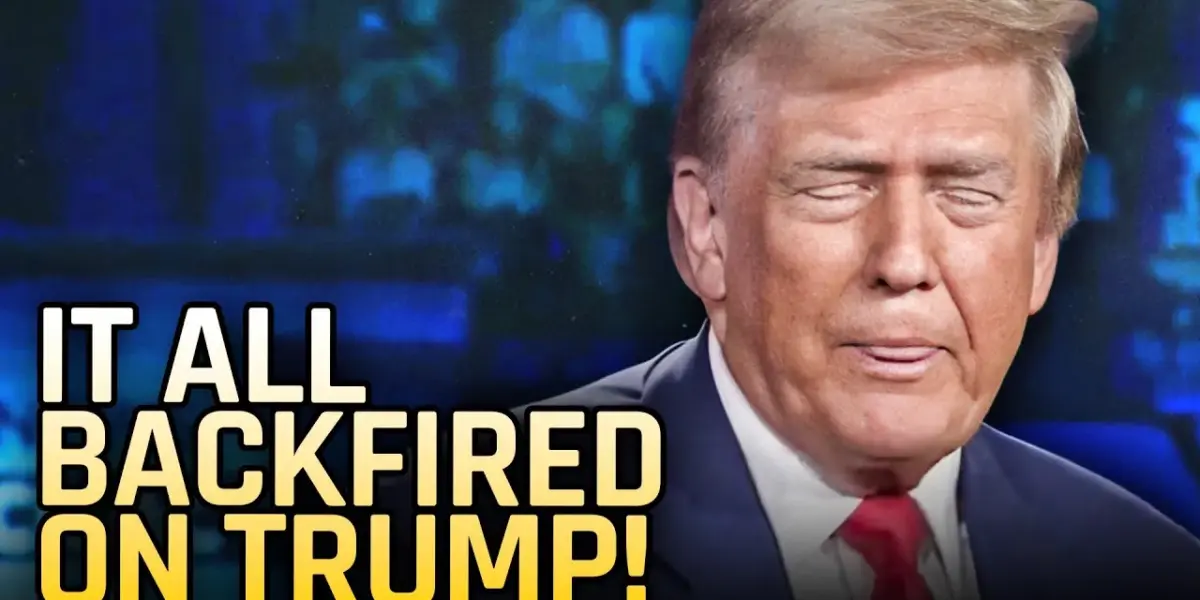
Trump’s Tariff Reversal: A Costly Legal Misstep Unfolds
In a significant legal development, the Trump administration’s controversial tariffs have been dealt a major blow, potentially costing taxpayers billions. A recent ruling by Judge Richard Eaton of the U.S. Court of International Trade in Manhattan has ordered the administration not only to refund all companies that paid tariffs last year but also to provide those refunds with interest, starting immediately. This decision, initially delivered with stern urgency, has since taken a peculiar turn, highlighting a potential administrative fumbling that has left the government scrambling.
The Initial Mandate: A Demand for Immediate Repayment
On a Wednesday, Judge Eaton issued a ruling that left no room for ambiguity. He mandated that the Trump administration must begin refunding companies that had paid tariffs, and crucially, these refunds were to include interest. The judge set a tight deadline, instructing the administration to present a plan for these immediate disbursements within two days, by Friday. The implication was clear: the tariffs, having been ruled illegal, were akin to an unlawful collection of funds, and restitution was to be swift and comprehensive.
The Administration’s Stumble: A Plea of Incompetence
However, the situation took an unexpected and somewhat farcical turn by Friday. When the administration returned to Judge Eaton, their response was not a plan for repayment, but an admission of inability. The transcript suggests a narrative where administration officials claimed they lacked the funds and, more remarkably, the competence to execute the repayment. Phrases attributed to them, such as “we don’t have the money” and “we’re not smart enough to even know how to start figuring this out,” paint a picture of governmental disarray. This reported plea of incompetence, whether genuine or a strategic maneuver, seemed to catch the court off guard.
The Judge’s Response: A Temporary Reprieve?
In response to this declaration of ineptitude, Judge Eaton, according to the transcript, appeared to soften his stance, albeit with a tone of exasperation. He reportedly granted the administration a reprieve, allowing them time to “learn some math numbers” before reconvening. This apparent backtracking, however, is framed not as a victory for the administration, but as a characteristic pattern of such legal battles. The narrative suggests that initial stern rulings often give way to more lenient enforcement once the immediate public and media spotlight fades, leaving the core issue of repayment unresolved in the short term.
Historical Context: Tariffs and Trade Wars
The Trump administration’s use of tariffs was a hallmark of its economic policy, often framed as a tool to protect American industries and workers, and to negotiate more favorable trade deals. This approach, however, ignited trade disputes with numerous countries, including China, the European Union, and Canada. The stated rationale was to address perceived unfair trade practices, such as intellectual property theft and currency manipulation. Yet, critics argued that these tariffs ultimately harmed American consumers through higher prices and American businesses that relied on imported goods or faced retaliatory tariffs.
The legal challenges to these tariffs were inevitable. Tariffs are a form of taxation, and their imposition is subject to specific legal frameworks and congressional authorization. When the executive branch imposes tariffs without clear statutory authority or in contravention of existing laws, it opens the door for legal challenges. The U.S. Court of International Trade is specifically tasked with handling disputes concerning the classification, valuation, and duties on imported goods. A ruling from this court, especially one ordering repayment with interest, carries significant weight and financial implications.
The Backfire Effect: Economic and Political Ramifications
The core of the issue, as presented, is the potential for these tariffs to have “backfired” on the Trump administration. The initial imposition of tariffs was a bold political statement, designed to signal strength and a willingness to challenge the global trade order. However, the subsequent legal ruling suggests that the implementation may have been legally flawed, leading to a costly reversal. The requirement to refund billions of dollars, plus interest, represents a significant financial burden that could fall on the U.S. Treasury.
Politically, this situation presents an unfavorable narrative for any administration. An admission of an inability to manage financial reimbursements, especially after a court has declared previous actions illegal, can be perceived as incompetence. It undermines the image of a strong, capable government. While the transcript humorously portrays the administration as “dumb,” the underlying reality is a complex administrative and legal challenge that the government appears ill-prepared to handle efficiently.
Why This Matters
This ruling and the subsequent administrative response have several critical implications. Firstly, it underscores the importance of legal and procedural rigor in implementing economic policy. Bold policy decisions, particularly those with significant financial implications, must be grounded in sound legal authority and administrative capacity. Secondly, it highlights the potential for costly unintended consequences when policies are pursued without adequate foresight into their legal and financial ramifications. The obligation to repay tariffs with interest suggests that the government may have been operating outside legal bounds, and the cost of this error is now becoming apparent.
Furthermore, this case serves as a cautionary tale about the interplay between political action and legal accountability. While political leaders may initiate policies with broad strokes, the judiciary acts as a crucial check, ensuring that these actions comply with the law. The perceived “softening” of the judicial stance, as described, also raises questions about the effectiveness of the legal system in ensuring prompt justice and accountability, especially when faced with bureaucratic inertia or alleged incompetence.
Trends and Future Outlook
The trend towards increased scrutiny of executive actions, particularly in trade and economic policy, is likely to continue. Future administrations will need to navigate the complex legal landscape surrounding tariffs and trade. The ability to implement such policies effectively, legally, and with the administrative capacity to manage their consequences, will be paramount. The potential for significant financial penalties, including interest, for legally flawed trade measures, could deter future protectionist policies or at least encourage more robust legal vetting.
Looking ahead, the resolution of this specific case will be closely watched. Will the administration eventually implement the refunds as ordered? Will there be further legal battles over the timeline or the amount? The long-term impact on U.S. trade policy and the relationship between the executive and judicial branches in trade matters remains to be seen. This episode serves as a stark reminder that even the most assertive executive actions are subject to the rule of law, and that legal missteps can carry a substantial and often unexpected price tag.
Source: It All Just Backfired On Trump! (YouTube)

Related Articles
Trump Promises Farmers 20% Income Boost, Tax Relief
Former President Donald Trump addressed a large gathering of American farmers, highlighting a 20% surge in farm income and detailing tax cuts and regulatory relief. Key policies discussed include bonus depreciation for equipment, elimination of the estate tax, and expanded trade deals. The administration also announced new loan guarantees and efforts to reduce equipment repair costs.
Trump Makes Bold Promises at Investment Summit
Former President Donald Trump addressed the FII PRIORITY Summit, outlining his economic vision. He promised deregulation, tax cuts, and protectionist trade policies aimed at boosting American jobs and competitiveness. These remarks signal potential future economic directions.


Meta, YouTube Lose Landmark Cases Over Teen Harm
Meta and YouTube have been found liable in landmark cases alleging their platforms contribute to harm among teenage users. Juries saw through company denials after prosecutors presented damning internal documents showing awareness of negative impacts. This ruling could lead to significant changes in how social media companies are held accountable.