Russia Blames Britain for Drone Attacks Amidst Internal Unrest
Russia has accused Britain of orchestrating recent drone attacks on its territory, including strikes on an oil depot and a factory. Amidst these accusations, Moscow has tightened its grip on information by restricting internet access and launching a state-controlled messenger app, while President Putin highlights record agricultural harvests.

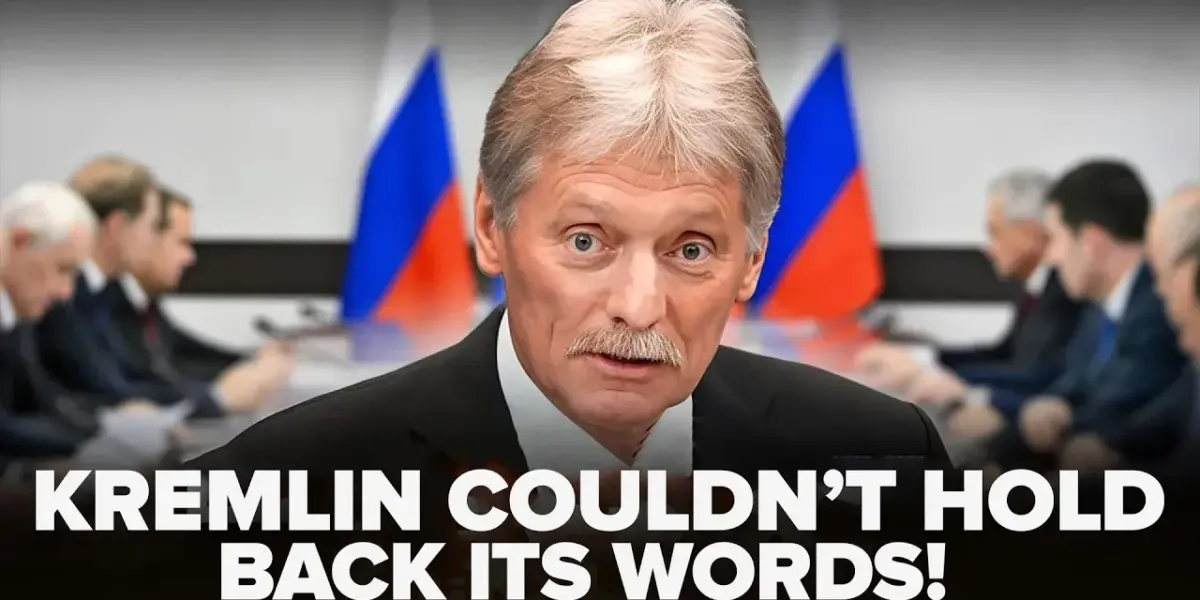
Russia Accuses Britain of Orchestrating Drone Attacks
In a dramatic escalation of rhetoric, Kremlin spokesperson Dmitry Peskov has directly accused Great Britain of involvement in recent drone attacks targeting Russian territory. The accusations, leveled following explosions at an oil depot in southern Russia and a factory in Bryansk, suggest a wider conflict of information and potential retaliation is brewing.
“Obviously, the launch of these missiles was impossible without British specialists. We are aware of this. We are well aware of this and we naturally take this into account,” Peskov stated, implying a direct British hand in what Moscow deems “barbaric actions of the Kyiv regime.” He further framed these alleged attacks as a justification for Russia’s ongoing “special military operation,” aiming for the “demilitarization of Kyiv and depriving Kyiv of the opportunity to inflict such barbaric strikes.”
Explosions Rock Russian Oil Facilities and Infrastructure
The transcript details scenes of chaos and destruction, with eyewitness accounts describing burning cars and collapsing structures at an oil depot. “In short, here’s hell. Look at this. On the other side, it’s the same thing. In general, I’m just shocked and morally and physically,” one individual recounted, capturing the visceral impact of the strikes.
Another report highlighted an attack on an onshore compressor station near the Ruskaya gas pipeline, a critical component of the South Stream energy route. This incident, along with the oil depot strike, is characterized as an attack on infrastructure vital for the energy security of Turkey and other nations. “Absolutely reckless actions of the Kyiv regime,” Peskov declared, underscoring the perceived threat to international energy stability.
Kremlin Tightens Grip: Internet Restrictions and State-Controlled Apps
Amidst the external accusations and internal turmoil, Russia has implemented significant restrictions on mobile services and internet access. Peskov offered a vague timeline for these measures, stating they would last “as long as additional measures are needed to ensure the safety of our citizens,” a statement interpreted by some as a move towards a more closed, authoritarian state.
In a related development, the Kremlin has introduced a new state-controlled messenger application called ‘Max.’ Presented as a tool to protect children from misinformation and manage educational access, the app is reportedly already being adopted by schools nationwide. This move follows the blocking of Telegram, with authorities suggesting they possess the technical capability to monitor VPN traffic, thereby undermining attempts to circumvent censorship. The introduction of ‘Max’ and the suppression of alternative communication channels signal a concerted effort by the Russian government to control the information landscape.
Divergent Narratives: Putin’s Focus on Harvest Amidst Conflict
While Peskov points fingers at Britain and frames the conflict through the lens of Russian security, President Vladimir Putin appears to be focusing on domestic agricultural successes. The transcript notes Putin being briefed on a record grain harvest in the Orenburg region, highlighting achievements in wheat and sunflower production, and the modernization of agricultural processing plants.
This juxtaposition of international accusations and internal security measures against a backdrop of presidential focus on mundane domestic achievements has drawn commentary. “While strategic states in Russia are being hit, Putin distract people by listening to reports about the seeds harvest,” one observation suggests, pointing to a potential strategy of diverting public attention from the escalating conflict and its consequences.
Negotiations Stall Amidst Escalating Tensions
Regarding peace talks, Peskov indicated that while Russia remains open to negotiations, the current circumstances do not permit a revival of past options, such as the Istanbul talks. He stressed that no ceasefire discussions are currently underway, a stance that suggests a prolonged conflict. The mention of the “Abu Dhabi option” and the positive atmosphere created by Emirati authorities for trilateral talks hints at past diplomatic efforts, though specifics on future rounds remain elusive.
“The negotiation process will continue but again there are no specifics yet,” Peskov stated, reflecting the uncertainty surrounding diplomatic resolutions. The emphasis on continuing negotiations without a ceasefire suggests a strategy of attrition rather than immediate de-escalation.
Looking Ahead: The Shadow of Retaliation and Information Control
The coming weeks will likely see heightened tensions as Russia grapples with internal security challenges and continues its public campaign against perceived Western interference. The effectiveness of Russia’s internet restrictions and the success of its domestically controlled communication platforms will be crucial in shaping the internal narrative. Meanwhile, the international community will be watching closely for any signs of escalation or de-escalation in the ongoing conflict and the potential for diplomatic breakthroughs, however distant they may seem.
Source: ⚡️Peskov attacked Britain! Moscow is panicking. Powerful explosions across Russia (YouTube)

Related Articles
Ukraine Strikes Russian Oil Refinery, Eyes Iran Threat
Ukrainian forces struck a key Russian oil refinery, disrupting Moscow's war capabilities. Meanwhile, Finland's president urged continued U.S. support for Ukraine, as Kyiv shares its air defense expertise globally amid growing geopolitical complexities involving Iran and potential sanctions against Hungary.

Trump Halts Iran Strikes Amid Stalled Diplomacy
President Trump announced a pause on planned strikes against Iran, citing productive talks, though Iran denies negotiations occurred. Reports also suggest a potential U.S. ground operation on Iran's Hark Island. The situation raises concerns about international support for Ukraine and potential shifts in U.S. foreign policy.

G7 Allies Clash Over Iran War Strategy, Urge Focus on Russia
G7 foreign ministers met in Paris, revealing deep divisions over the U.S. war with Iran. European allies urged the U.S. to pressure Russia, linking its actions to the conflict and fearing support for Ukraine will wane.