Trump Exploits Fallen Soldiers’ Sacrifice for Political Gain
Donald Trump's campaign reportedly used a solemn dignified transfer ceremony photo for fundraising, sparking outrage. Critics point to a pattern of disrespect towards military sacrifice and contrast his actions with past presidential protocols.

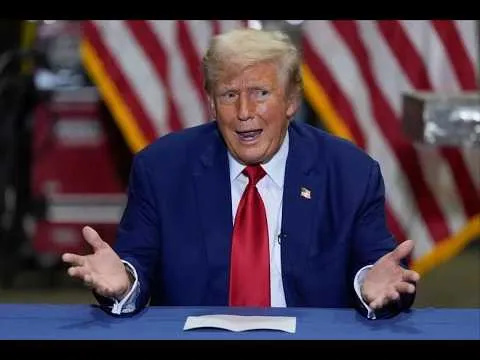
Trump’s Controversial Use of Dignified Transfer Photo Sparks Outrage
In a move that has drawn sharp criticism, Donald Trump’s campaign has been accused of exploiting the recent deaths of six American soldiers in an Iranian drone strike for political fundraising. The soldiers were honored in a dignified transfer ceremony at Dover Air Force Base on March 1st. Days later, a fundraising email from Trump’s campaign reportedly used an official White House photograph of this solemn event, featuring Trump saluting with a flag-draped transfer case visible in the background, to solicit donations for a “national security briefing membership.” The email’s language, described as “I’m the strong commander who stares down tyrants, obliterates terrorists, and never backs down. This is for patriots ready to stand with that kind of unbreakable strength. Not for the weak or the wavering,” has been characterized as particularly egregious given the context.
Campaign Merch and Fundraising: A Pattern of Exploitation?
This incident is not isolated, according to critics. Reports suggest that during the dignified transfer ceremony itself, Trump wore a baseball cap, which is typically removed as a sign of respect during national ceremonies like the “Star-Spangled Banner.” This detail has been highlighted as an instance where campaign merchandise took precedence over solemnity. The transcript notes, “no opportunity is too solemn to hawk some apparel and make a few bucks in the process.” The alleged exploitation extends to using the photograph for fundraising, leading to a rhetorical question: “What’s next? Auction off the dirt from their graves to go to his pack?”
Historical Context: Trump’s Past Remarks on Military Sacrifice
The author of the transcript argues that this behavior is consistent with Donald Trump’s past interactions with the military and those who have served. Several instances are cited:
- In 2015, Trump reportedly stated that Senator John McCain, a former prisoner of war, was “not a war hero” because he was captured, adding, “I like people who weren’t captured.”
- According to reporting in The Atlantic, confirmed by former Chief of Staff John Kelly, Trump allegedly refused to visit an American cemetery in France in 2018, calling it “filled with losers” and referring to fallen Marines as “suckers.” Kelly also reportedly stated that Trump “did not want to be seen in the presence of military amputees because it doesn’t look good for me.”
- Trump reportedly downplayed traumatic brain injuries suffered by soldiers in a 2020 Iranian missile strike, referring to them as “headaches,” which earned him an official rebuke from the Veterans of Foreign Wars.
These incidents are presented as evidence of a pattern of disrespect towards military personnel and their sacrifices, contrasting with the image of a patriot who “hugs the flag.”
The Paradox of Trump’s Iran Policy
A particularly galling aspect highlighted is that the soldiers died in a conflict that Trump had explicitly promised to prevent. The transcript recalls Trump’s campaign rhetoric, “I’m not going to start a war. I’m gonna stop wars. No more wars, no more disruptions. We will have prosperity and we will have peace.” He positioned himself as “the candidate of peace.” This promise was echoed by figures within his administration and political allies, including Tulsi Gabbard, JD Vance, and Pete Hegseth, who all voiced concerns about the human and financial costs of potential wars in the Middle East and advocated for de-escalation and avoiding military interventions.
“The reality is that we are now in a political environment where this administration can lean on any of the social media platforms to suppress certain voices if they don’t like critical coverage.” – Transcript
A Stark Contrast: Obama’s Dignified Transfer Protocol
To underscore the perceived difference in presidential conduct, the transcript draws a comparison with President Barack Obama’s handling of dignified transfer ceremonies. It recounts a 2011 event where Obama attended the return of 18 American service members killed in Afghanistan. The report emphasizes the solemnity of the occasion, Obama’s private meeting with families, his participation in a prayer, and his standing at attention to salute the transfer cases. This was noted as the first time a president had participated in such a ceremony since the wars in Iraq and Afghanistan began, breaking with the preference of President George W. Bush to meet families privately and his father’s administration’s ban on media coverage of returning remains following an incident during the Panama invasion.
Reflections on Sacrifice and Leadership
Obama’s reflection on the experience is quoted: “Burden that both our troops and our families bear… is going to bear on how I see these conflicts. It is something that I think about each and every day.” This is contrasted with the current situation, where the transcript asserts, “We are capable of having leaders with something of a moral compass, but not one coming out of today’s Republican party.”
Why This Matters
The core of the criticism revolves around the perceived commodification of military sacrifice for political and financial gain. The dignified transfer ceremony is a sacred ritual meant to honor fallen service members and acknowledge their ultimate sacrifice. Using official photographs from such an event for fundraising, especially with language that appears to leverage the commander-in-chief image, is seen by critics as a profound ethical lapse. It raises questions about the boundaries of political campaigning and the respect due to those who die in service to their country. The transcript suggests that this behavior, if true, represents “fake patriotism in its most grotesque form.” It highlights a leader who allegedly mocked prisoners of war and avoided military amputees, now seemingly wrapping himself in the sacrifice of the fallen to solicit donations.
Implications, Trends, and Future Outlook
This incident speaks to broader trends in political fundraising and the increasing use of social media and emotionally charged imagery to mobilize supporters and donors. The transcript touches upon the power dynamics between political figures, social media platforms, and independent media, suggesting that critical voices may face suppression. The future outlook hinges on whether such actions will continue to be normalized within political discourse or if they will provoke a stronger public backlash. The comparison with past presidential conduct suggests a potential erosion of norms regarding the solemnity of military honors and the ethical use of national tragedies for political advantage. The families of the fallen, the transcript argues, “deserve a president who knows the difference between honoring the military and exploiting it.”
Source: OMG: Trump uses dead Americans in DISGUSTING new scheme (YouTube)

Related Articles
Polls Spell Doom: Republicans Face Voter Backlash
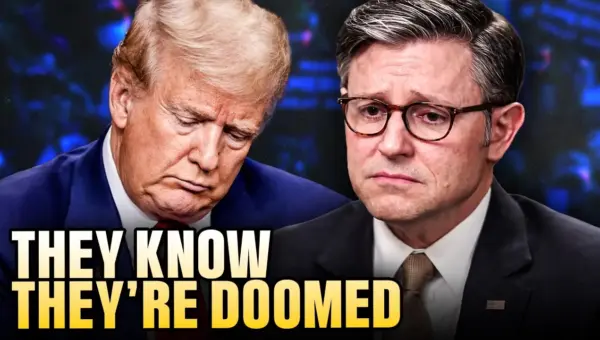
New polling data reveals a sharp decline in public confidence regarding the economic impact of Republican policies, particularly under Donald Trump. A significant majority now feel financially worse off, a trend that is especially pronounced among independent voters. This economic discontent poses a major challenge for the Republican party heading into future elections.

Trump Delays Iran Strike Deadline Amidst Shifting Diplomacy
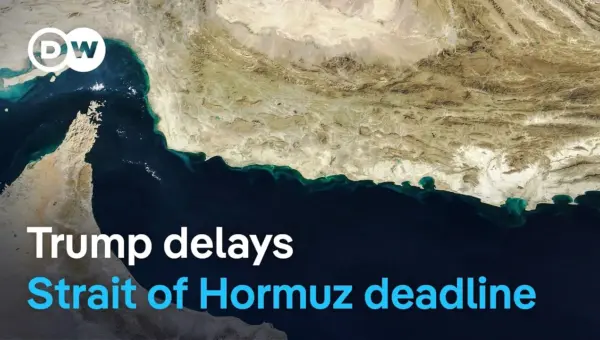
President Donald Trump has extended his deadline for potential strikes on Iranian energy plants to April 6th, amid reports of U.S.-Iran diplomatic talks mediated by Pakistan. This move comes as Israel continues its strikes on Iran and the U.S. deploys additional military assets to the region. Analysts point to mixed signals, economic pressures, and strategic miscalculations as key factors shaping the evolving situation.
Iran War Claims Ring Hollow as US Troops Injured in New Attack
Days after Donald Trump claimed "we've won" the war with Iran, a new attack injured approximately a dozen U.S. troops and damaged aircraft. This incident contradicts Trump's assertions of victory and raises serious questions about the strategy and reality of the ongoing conflict.