Palace Backs Parliamentary Move to Remove Prince Andrew From Royal Line of Succession
The British government is preparing legislation to remove Prince Andrew from the royal line of succession, with Buckingham Palace support, marking the first such action since 1936. The move comes as police call on Andrew's former protection officers to provide evidence in ongoing investigations.

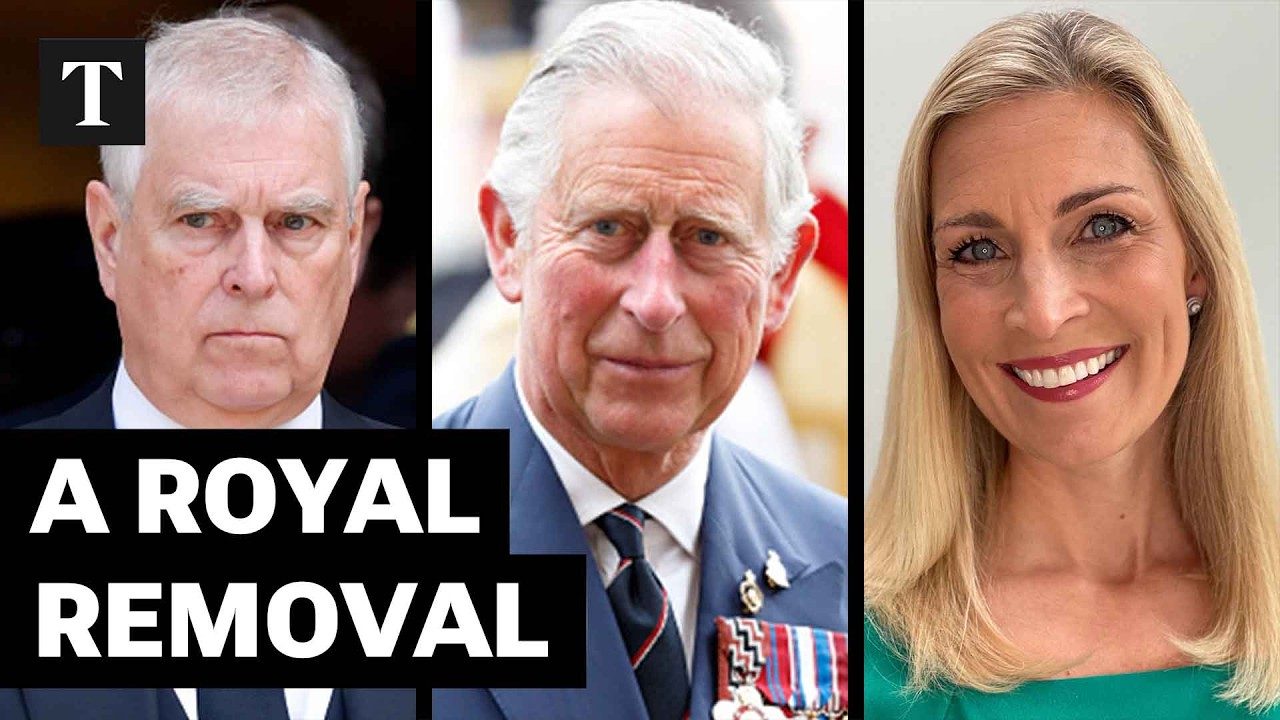
In an unprecedented move since the 1936 abdication crisis, the British government is preparing legislation to remove Prince Andrew from the line of succession to the throne, with backing from Buckingham Palace, according to royal correspondent Sarah Hewson.
Historic Parliamentary Action in Motion
The Duke of York, currently eighth in line to the throne, faces removal through an act of Parliament—a process that would require consent from all Commonwealth realms. This marks the first alteration to the line of succession since King Edward VIII’s abdication nearly 90 years ago.
Defense Minister Luke Pollard stated that removing Andrew from succession is “the right course of action regardless of the outcome of the police action,” signaling government determination to proceed with the legislation once any police investigations conclude.
Public and Palace Support
The move has overwhelming public backing, with YouGov polling showing 80% of Britons support removing Andrew from the line of succession. While Buckingham Palace has not commented publicly, sources indicate discussions have taken place “at the very highest levels” with Palace support for the government’s position.
“I think this is about the symbolism of it,” Hewson explained. “What I think we can see here is them trying to put a firewall around the royal family, between the royal family and Andrew Mountbatten Windsor, so that no more damage can be done.”
Complex Legal and Constitutional Process
The legislation would require not only Parliamentary approval but also consent from all Commonwealth realms where the British monarch serves as head of state. This complex constitutional process reflects the gravity of the situation and the unprecedented nature of removing a senior royal from succession during their lifetime.
Previously, the Palace had resisted using Parliamentary time for such measures, but the current situation is now viewed as sufficiently serious to warrant legislative action. Andrew has already been stripped of his military titles and royal patronages and no longer uses his HRH style or Duke of York title in official capacities.
Police Protection Officers Called to Provide Evidence
In a parallel development, the Metropolitan Police have called upon Prince Andrew’s former personal protection officers to provide any relevant information they may possess. This unprecedented step raises questions about the traditionally intimate and confidential relationship between royals and their security details.
“We have seen from the Epstein files that there were certainly protection officers with Andrew when he visited Jeffrey Epstein’s properties in New York and his island,” Hewson noted. “Who saw what? Who said what?
Who reported anything that they might or might not have seen? Those are really important questions.”
Broader Constitutional Implications
Legal experts warn that opening Parliamentary debate on royal succession could lead to broader questions about the hereditary monarchy system itself. “If you start debating who actually gets to even in theory be the sovereign, the head of state in the UK, then MPs are not going to stick to the narrow confines of that debate,” one analyst observed.
The situation also highlights longstanding questions about Parliamentary privilege that prevents MPs from debating or criticizing members of the royal family, with some suggesting earlier scrutiny might have prevented the current crisis.
Fifteen Years of Mounting Pressure
The current situation represents the culmination of more than 15 years of allegations surrounding Prince Andrew’s relationship with convicted sex offender Jeffrey Epstein. Despite numerous investigations, civil lawsuits, and requests for cooperation with US authorities, Andrew has never been formally questioned about the allegations, which he has consistently denied.
A civil lawsuit brought by Virginia Giuffre was settled in 2022 for approximately £12 million without admission of guilt. Thames Valley Police recently arrested Andrew on suspicion of misconduct in public office, though the case remains under review.
Royal Family’s Protective Strategy
The Palace’s support for removing Andrew from succession represents part of a broader strategy to protect the institution of the monarchy from further damage. Andrew has already been effectively removed from public royal duties and stripped of his official titles, but his retention of his place in the line of succession had remained a constitutional anomaly.
“At no point has Andrew Mountbatten Windsor been questioned despite the serious nature of these investigations and allegations around him,” Hewson observed. “Had due process been done earlier in this investigation, had he cooperated as he said he would with the authorities in the United States at an earlier point, would we be where we are now?”
The proposed legislation represents an attempt to formalize Andrew’s separation from the working royal family and provide additional protection for the monarchy’s reputation during what royal watchers describe as one of the most serious crises to face the institution in decades.
Source: Palace Plan To Remove Andrew From Line Of Succession | Sarah Hewson (YouTube)

Related Articles

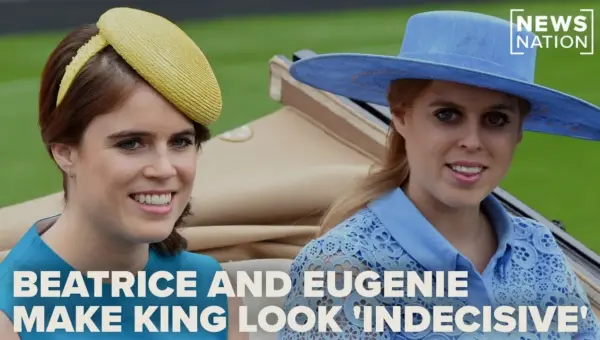
Monarchy’s Mid-Life Crisis: Royal Reversals Shake Public Trust
King Charles III's recent decisions regarding the inclusion of Princesses Beatrice and Eugenie in royal events have sparked debate about the monarchy's stability. Public reversals on invitations, coupled with reports of internal disagreements, are raising concerns about the institution's public image and future direction.


King Charles’ Casual Encounter Challenges Royal Perceptions
An American viewer reacts with surprise and admiration to a video showing King Charles engaging in a casual bike ride encounter. The monarch's down-to-earth demeanor challenges expectations of royalty, highlighting a surprising level of normalcy and approachability.

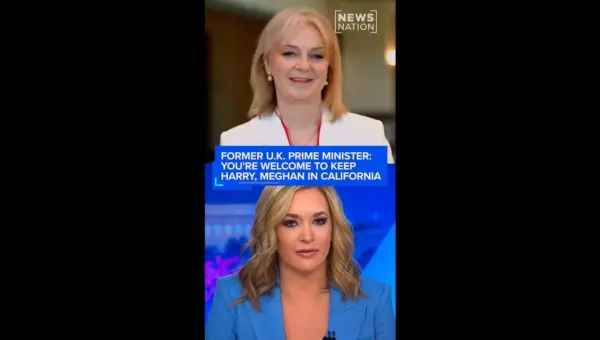
Britain Offers California A Royal Refugee Deal
Former UK Prime Minister Liz Truss has stated that Britain has no desire to welcome Prince Harry and Meghan Markle back, suggesting they "keep them in California." This blunt remark highlights the deep rift within the royal family and signals the unlikelihood of a royal return.