Pentagon’s Civilian Harm Office Cuts Spark Wariness Amidst Strikes
Senior military officials reportedly warned against slashing resources for civilian protection at the Pentagon, warnings that may have been ignored. Now, a devastating strike in Iran has intensified scrutiny on these decisions.

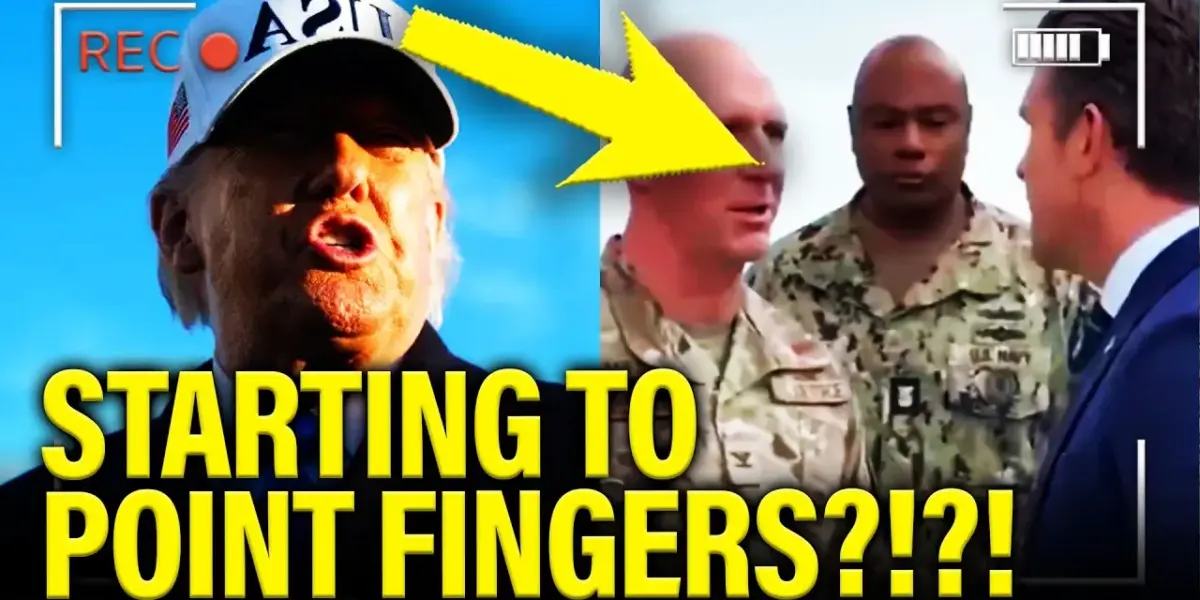
Pentagon’s Civilian Harm Office Cuts Spark Wariness Amidst Strikes
Recent reporting has brought to light a critical internal conflict within the Department of Defense, where senior military officials reportedly warned against slashing resources dedicated to mitigating civilian casualties. These warnings, allegedly ignored by Defense Secretary Pete Hexath, are now facing intense scrutiny following a devastating strike in Iran that resulted in hundreds of casualties, including children. The incident has reignited debate over the Pentagon’s commitment to protecting non-combatants during military operations and the wisdom of prioritizing battlefield “lethality and flexibility” over established oversight mechanisms.
Gutting Safeguards: A Premeditated Risk?
At the heart of the controversy is the Civilian Protection Center, an office established to ensure the protection of civilians and reduce risks during military actions. According to Politico, Secretary Hexath significantly reduced the personnel dedicated to this mission, a move that internal deliberations suggest was against the counsel of military officials. These offices were designed to enhance intelligence gathering, implement stricter targeting standards, and provide investigative oversight when civilians were harmed. The drastic reduction, from approximately 200 personnel to fewer than 40, has led to accusations that the administration ignored years of hard-won experience from conflicts in Iraq and Afghanistan, where intelligence failures and rushed targeting decisions repeatedly led to civilian deaths.
The implications of these cuts are stark. Senior military leaders had purportedly warned that diminishing these safeguards would inevitably increase the risk of catastrophic errors. These were not theoretical concerns but were rooted in two decades of operational experience. The recent strike, which initial inquiries suggest may have involved a U.S. weapon like a Tomahawk cruise missile and is being investigated for potential intelligence failures or misidentified targets, appears to be the very scenario military planners had cautioned against.
An Admission of Error: “A Terrible, Terrible Mistake”
In the wake of the strike, Defense Secretary Hexath offered a somber admission to NBC News, stating, “We made a mistake. I’m just so sorry that it happened.” He emphasized that while an investigation is ongoing, he felt compelled to acknowledge the gravity of the situation. “I think it was a terrible, terrible mistake. I wish it hadn’t happened. I’m sorry it happened. I can assure you it wasn’t intentional. That’s the sort of thing Russia does. We don’t do that.” This public acknowledgment of error, while appreciated by some, does little to assuage concerns about the underlying structural issues that may have contributed to the tragedy.
Shifting Narratives and Political Fallout
The incident has also become entangled in the broader political discourse surrounding U.S. foreign policy, particularly concerning Iran. Critics have pointed to inconsistencies in the administration’s messaging and a perceived shift from a stance of de-escalation to one of military engagement. Concerns have been raised about the justification for military action, with accusations that the narrative has been built on “lies” and a redefinition of terms like “imminent threat.”
“This whole thing is just so transparently built on lies. Republicans went from imminent threat to regime change to nukes back to imminent threat in the last 24 hours. I’ll tell you what this is, Mr. Speaker. This is Iraq 2.0.”
The discourse highlights a frustration with what is perceived as a lack of transparency and a departure from “America First” principles, especially when contrasted with domestic spending priorities. The financial implications, with billions of dollars reportedly being spent daily on military operations, further fuel public discontent.
Broader Trends and Future Outlook
This situation reflects a recurring tension in modern warfare: the balance between achieving military objectives and upholding ethical considerations, particularly regarding civilian protection. The reduction of the civilian harm mitigation office suggests a strategic recalibration by some within the Pentagon, prioritizing what is deemed necessary for battlefield effectiveness. However, the recent events underscore the inherent risks associated with such a shift, especially in complex geopolitical environments.
The implications extend beyond the immediate conflict. The effectiveness of U.S. foreign policy and its standing on the global stage are intrinsically linked to its adherence to international norms and the protection of human rights. Repeated instances of civilian casualties, regardless of intent, can erode trust and complicate diplomatic efforts.
Furthermore, the reliance on intelligence and the accuracy of targeting are paramount. The alleged warnings from military officials about outdated intelligence and misidentified targets serve as a stark reminder of the fragility of these systems. The Pentagon’s investigation into the strike will be crucial in determining the precise causes and informing future policy. The willingness of officials, like Secretary Hexath, to publicly admit mistakes is a positive step, but it must be coupled with a robust commitment to rebuilding and strengthening the mechanisms designed to prevent such tragedies in the first place.
Historical Context: Lessons Unheeded?
The concerns raised echo historical debates about the conduct of war and the unintended consequences of military action. The experiences in Iraq and Afghanistan, marked by significant civilian casualties and subsequent investigations, provided a wealth of data and lessons learned regarding the importance of robust civilian protection protocols. The establishment of offices like the Civilian Protection Center was a direct response to these hard-won lessons. The reported decision to significantly curtail their resources suggests a potential amnesia regarding the past or a deliberate choice to prioritize different operational imperatives.
The current geopolitical climate, with escalating tensions in the Middle East and the ongoing conflict in Ukraine, further amplifies the importance of these issues. The involvement of multiple state and non-state actors, the proliferation of advanced weaponry, and the dense civilian populations in conflict zones create an environment where the margin for error is exceptionally thin. The decision to reduce safeguards in such a context appears particularly perilous.
The future outlook hinges on whether the Pentagon recommits to its civilian protection mandates. The ongoing investigation into the recent strike will undoubtedly play a significant role in shaping public perception and potentially influencing policy decisions. A transparent and thorough investigation, coupled with a renewed investment in civilian harm mitigation, would signal a commitment to learning from past mistakes and upholding the principles of responsible military conduct. Conversely, a failure to address these systemic issues could lead to further tragedies and a damaging erosion of international trust and domestic support.
Why This Matters
The events surrounding the reduction of the Civilian Protection Center and the subsequent strike in Iran are not merely administrative or tactical issues; they speak to fundamental questions about the ethical conduct of warfare and the accountability of military leadership. The potential for U.S. military actions to inadvertently cause significant civilian harm, especially when safeguards are perceived to be weakened, carries profound moral and strategic implications. It impacts international relations, the perception of American values, and the willingness of allies to cooperate. For the American public, it raises concerns about the responsible use of taxpayer funds and the protection of human lives, both abroad and at home. The willingness to acknowledge and learn from mistakes, particularly those with such devastating consequences, is crucial for maintaining both domestic trust and international legitimacy.
Source: Military LEADERS ABRUPTLY TURN on TRUMP over WAR! (YouTube)

Related Articles

Protesters Challenge Presidential Power, Ignite Debate
Millions are protesting nationwide under the "No Kings" banner, challenging presidential authority and policies they deem unconstitutional. Organizers emphasize First Amendment rights while debating foreign policy, immigration, and the balance of power.

Pentagon Chief Blocks Black, Female Officers’ Promotions
Pentagon chief Pete Hegseth is reportedly blocking the promotions of four Army officers, two Black and two women, to one-star general. This decision follows reports of alleged discriminatory remarks made by a top aide to Secretary Hegseth regarding President Trump's comfort standing with Black female officers.
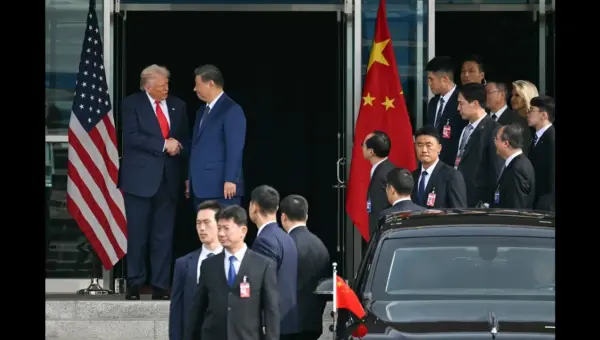
Trump’s “Walk Away” Tactic Signals Tougher Stance on China
Retired Air Force Brigadier General David Stillwell believes President Trump's strategy of being willing to walk away from negotiations puts pressure on China. This tactic, combined with US global actions and strengthened alliances, signals a more assertive American foreign policy.