Trump’s Iran Miscalculation: Regime Capitulation vs. Prolonged Conflict
New reports question Donald Trump's assessment of Iran's willingness to capitulate, suggesting a misjudgment of the regime's resolve. As regional tensions escalate, the strategic implications for vital oil chokepoints like the Strait of Hormuz and the efficacy of U.S. military planning are under intense scrutiny.

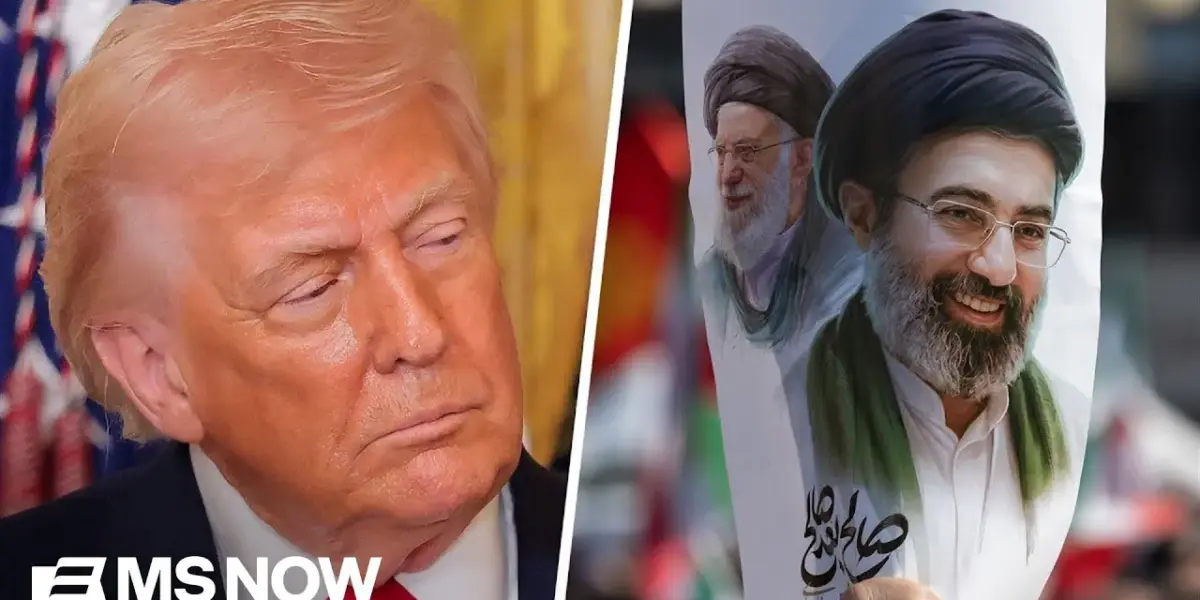
Trump’s Iran Strategy Under Scrutiny Amidst Escalating Regional Tensions
Questions are mounting over former President Donald Trump’s strategic assessment of the Iranian regime, particularly his belief that Tehran would capitulate rather than engage in a prolonged conflict. A recent Wall Street Journal report suggests Trump was advised of the risks, including Iran potentially blocking the Strait of Hormuz, a vital artery for global oil traffic, yet remained confident in his administration’s ability to force a swift end to hostilities. This assessment is now being re-examined in light of ongoing regional instability, including Israeli strikes on Hezbollah targets in southern Lebanon and the broader implications for international energy markets.
Israel’s Operations in Southern Lebanon: A Strategic Buffer Zone
The conflict’s ripple effects are evident in southern Lebanon, where Israeli military operations against Hezbollah have resulted in significant civilian displacement and casualties. According to the UN Secretary-General, an estimated 800,000 people have been displaced. Former Secretary of the Air Force, Frank Kendall, noted that while Israel has the right to self-defense against Hezbollah’s rocket attacks, its actions are also aimed at weakening adversaries while opportunities permit, bolstered by U.S. support. Peter Baker, Chief White House Correspondent for The New York Times, highlighted that southern Lebanon has long been a strategic concern for Israel due to its proximity to its northern border. Israel’s actions are seen as an attempt to create a buffer zone, pushing threats further from its population centers, a strategy distinct from but influenced by the broader regional dynamics.
“My guess is we’ve already reached that point [of diminishing returns],” stated Secretary Kendall regarding the intensity of Israeli operations in Lebanon, “but Israel is pursuing its own goals here. And as was said, they want to weaken their enemies as much as they can while they have the opportunity.”
The Strait of Hormuz: A Critical Chokepoint and Trump’s Assumption
Central to the debate surrounding Trump’s Iran policy is the potential disruption of the Strait of Hormuz, through which approximately one-fifth of the world’s seaborne oil passes. The Wall Street Journal report indicates that Dan Cane, then Chairman of the Joint Chiefs of Staff, warned Trump about this risk. Trump’s reported response was that Iran would capitulate before taking such action, or he trusted the military to manage any fallout. However, experts suggest the military may not have had a fully effective plan to guarantee the strait’s openness under such circumstances.
Secretary Kendall elaborated on the military challenges of keeping the Strait of Hormuz open. He described it as a “very challenging job” due to Iran’s extensive coastline and rugged terrain, making it difficult to prevent attacks on shipping lanes using drones, missiles, or mines. He emphasized that this has been a known vulnerability for decades, with war games consistently highlighting the difficulty of such an operation.
The Military’s Capacity and Risk Assessment
“It doesn’t take much to prevent shippers from putting their vessels at risk going through there,” Secretary Kendall explained, underscoring the vulnerability of the strait. He added that if Iran chooses to accept the consequences of interdicting traffic, stopping them would be extremely difficult.
Misjudging Iran: The Venezuelan Gambit and its Echoes
Analysts suggest Trump’s confidence in a swift Iranian capitulation might have stemmed from perceived successes elsewhere, such as the operation in Venezuela. The perceived ease of that operation, which aimed to remove Nicolás Maduro, may have emboldened Trump to believe a similar approach would work against Iran. The transcript references a “12-day war” from the previous year that reportedly went very well, further bolstering his confidence in military capabilities.
The Unfolding Reality: Capitulation vs. Prolonged Resistance
The current conflict has deviated significantly from expectations of a rapid conclusion. The assumption that Iran would either capitulate or face an internal uprising has not materialized. Peter Baker noted the inherent difficulty in predicting the conflict’s end, especially when the Iranian populace faces severe repercussions for dissent. “If anybody protests, we’re going to kill you in the streets,” was cited as a deterrent to internal uprisings, presenting a significant hurdle for any popular resistance movement.
What Comes Next? The Search for Alternatives
With the initial assumptions proving incorrect, the U.S. administration faces a complex geopolitical landscape. The expectation of a friendly regime replacing the current one appears increasingly unlikely. Baker stated, “There was never actually a plan for the United States to do that. The idea that the people would simply rise up after thousands and thousands of them had been mowed down in the streets during protests earlier this year was always sort of a farcical, not farcical, but certainly a long shot out there.”
The current situation suggests that any potential replacement for the existing regime might emerge from within its own ranks, rather than through a popular revolution. This leaves the United States with limited advantageous alternatives, prompting a reevaluation of the strategy and its long-term implications.
Looking Ahead: The Enduring Challenge
As the conflict evolves, the focus remains on whether Iran can sustain its resistance despite the inflicted punishment and the ongoing U.S. military efforts. The ability of the U.S. to ensure the free flow of oil through the Strait of Hormuz remains a critical concern, with significant implications for global energy security and economic stability. The coming weeks will be crucial in determining the trajectory of the conflict and the effectiveness of the strategies employed by all parties involved.
Source: Questions mount over whether Trump misjudged Iranian regime’s appetite for prolonged war (YouTube)

Related Articles


Trump’s Iran Claims: Shocked or Deluded by War Games?
Donald Trump claimed surprise over Iran's actions in the Strait of Hormuz, but experts suggest retaliation was inevitable. Military war games likely predicted such a scenario, raising questions about the advice given to the President.

Israel’s Strategy Against Iran Revealed
Israel's strategy to counter Iran's nuclear ambitions and regional influence centers on containment, utilizing a mix of covert military actions, intelligence operations, and diplomatic pressure. Analysts highlight the growing urgency due to Iran's nuclear advancements, while also noting the persistent risk of escalation in the volatile Middle East.

Israel Eyes Lebanon Buffer Zone: A Political Ploy?
Israel's military operations in southern Lebanon aim to create a buffer zone and pressure Hezbollah, according to expert Yazid Sayigh. He argues the strategy is more political than military, echoing historical tactics. The ongoing conflict could destabilize Lebanon further, while Hezbollah fights for survival.