Iran War: US Faces Setbacks, Diplomatic Solution Key
Fifteen days into the conflict, the US-Iran war has seen tactical gains but strategic failures, with Iran demonstrating resilience and expanding the conflict. The targeting of Iran's oil hub is seen as counterproductive, potentially exacerbating global economic woes. A diplomatic solution remains elusive amid escalating tensions.

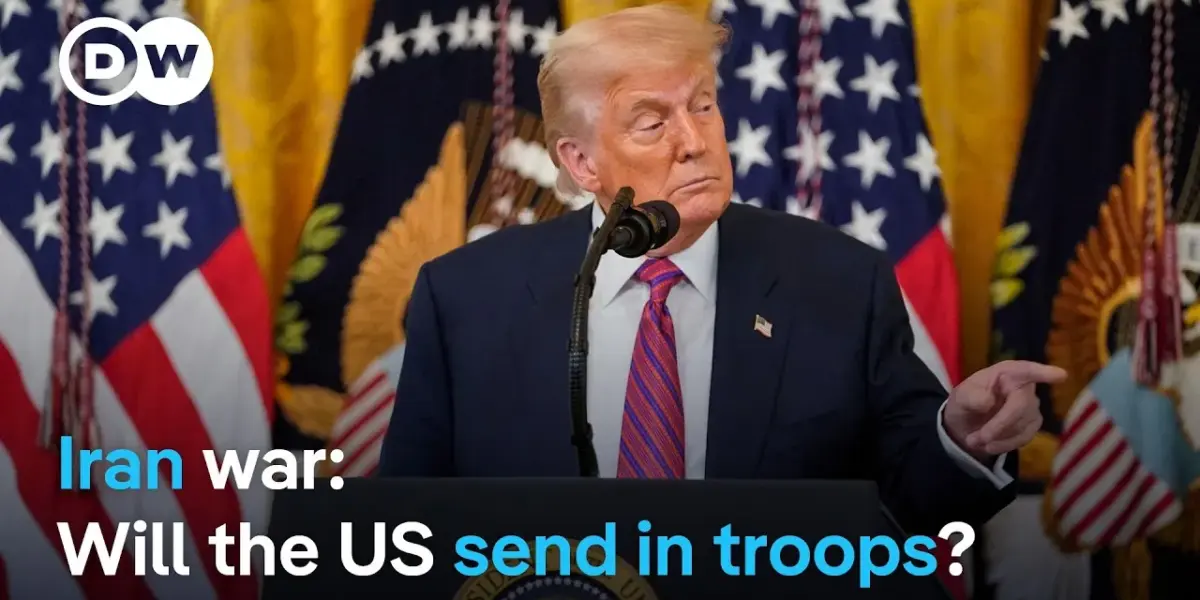
US-Iran Conflict: A Shifting Battlefield After 15 Days
Fifteen days into a conflict described as an “American Israeli war on Iran,” the strategic landscape remains fluid and fraught with uncertainty. While tactical gains have been achieved, including the reported elimination of top Iranian leadership and degradation of missile capabilities, the overarching strategic objectives appear unfulfilled. The Iranian regime maintains control, demonstrating resilience, and has reportedly expanded the conflict with strikes against Arab Gulf states, impacting global energy prices and slowing the world economy. At this juncture, Iran is assessed to be holding its ground and, in many respects, winning.
Targeting Iran’s Economic Lifeline: A Counterproductive Strategy?
The recent US strike on Hag Island, targeting military facilities near Iran’s primary oil hub, has been a point of contention. Described as the “economic lifeline of the Iranian regime,” the island produces approximately 90% of Iran’s oil and gas. However, this action is viewed as potentially counterproductive for the United States. Any significant disruption to global energy supplies, particularly with a surge in oil and gas prices and inflation already a concern, could inflict substantial economic pain on the US, Europe, and the wider world. Iran’s threats to retaliate against global energy systems in the Gulf underscore the delicate balance and the potential for severe repercussions from targeting Iran’s economic and industrial infrastructure.
“I would argue that basically, it’s not in the interest of the United States to target the economic and industrial base of Iran because this really could have some very counterproductive effects on the world economy including the United States economy as well.”
The Strait of Hormuz: A Call for Ships, A Lack of Allies
President Trump’s call for international support to secure the Strait of Hormuz has reportedly been met with little enthusiasm from potential allies. Unlike the coalition formed for the Iraq War in 2003, neither China nor Russia are expected to participate. European nations, including France, have also signaled an unwillingness to forcibly open the strait. While the US might possess the capability to force passage in the short term, the inherent vulnerability of the strait to even primitive blocking tactics suggests that a lasting solution hinges on diplomacy rather than military might.
Escalation Cycle and the Search for a Diplomatic Off-Ramp
The current trajectory points towards an escalation cycle rather than de-escalation, with the US reportedly deploying additional naval and ground forces to the Gulf. The possibility of a major US ground operation in Iran cannot be dismissed. Despite significant damage inflicted, Iran reportedly retains a substantial stockpile of enriched uranium and continues to impede passage through the Strait of Hormuz, stranding thousands of ships. From Iran’s perspective, any diplomatic solution must guarantee security and ensure the effectiveness of its deterrence, with a clear understanding that neither the US nor Israel initiated the conflict. An unconventional argument suggests that Iran may not desire an immediate ceasefire, instead seeking to prolong economic pain to make future conflicts prohibitively costly.
“In fact, let me make a nonsensical argument and I could be wrong. In fact, Iran does not really want a ceasefire at this particular moment. It wants to increase the economic pain for everyone, including its Gulf neighbors, Europe and the United States, to make any kind of a new war against Iran really almost prohibitive in the future.”
A Glimmer of Hope or an Impending Declaration?
When asked about a glimmer of hope for ending the war, the assessment is somber: none is readily apparent at this stage. However, the possibility exists for a swift resolution, perhaps through President Trump declaring “mission accomplished” and ending the war. This scenario is considered plausible, given that the conflict has reportedly lasted longer than anticipated and President Trump may seek a quick and less costly victory to bolster domestic support. The preparation for such a declaration is seen as a strategic move to manage the war’s duration and public perception.
Looking Ahead
The coming days will be critical in determining whether the conflict de-escalates or further intensifies. The effectiveness of Iran’s continued deterrence, the global economic impact of energy disruptions, and the potential for a unilateral US declaration of victory will be key factors to monitor. The absence of a strong international coalition for military action suggests that diplomatic channels, however strained, may eventually become the only viable path toward lasting stability in the region.
Source: Could the US deploy troops to Iran │DW News (YouTube)

Related Articles

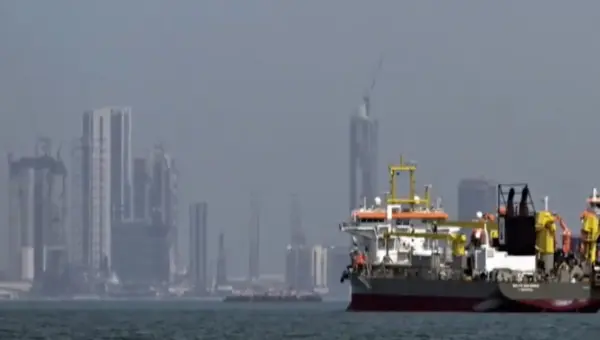
Iran Blocks China Ships, Exposing Beijing’s Weak Grip
Iran's recent decision to block Chinese ships at the Strait of Hormuz is exposing the limits of Beijing's influence in the Middle East. This action is causing delays and cancellations for Chinese manufacturers, turning a perceived geopolitical win into an economic strain.
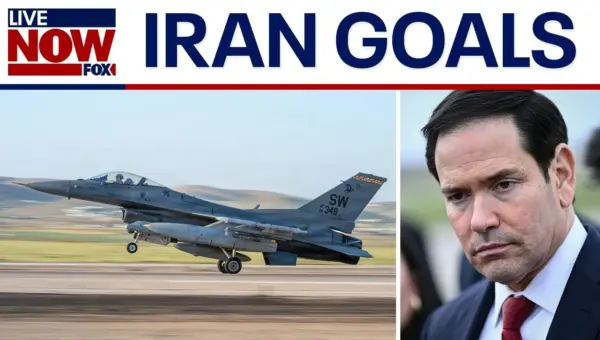
Rubio: US Can Achieve Iran War Goals Without Troops
Senator Marco Rubio outlined a strategy to counter Iran without deploying U.S. ground troops, focusing on weakening the regime and enhancing maritime security. He also criticized Cuba's economic system and expressed concerns about West Bank violence.


Israel Escalates Iran Strikes, Warns of Wider War
Israel has launched significant strikes inside Iran following continued missile fire, warning of further escalation. The conflict risks wider regional instability and economic disruption, especially concerning the Strait of Hormuz.