GOP House Members Fear Losing Majority Amidst Shifting Political Winds
House Republican members are privately expressing significant fears about losing their majority in the upcoming midterms, a sentiment that contrasts sharply with public statements from leadership. Internal concerns appear to stem from national polling, candidate performance, and historical trends.

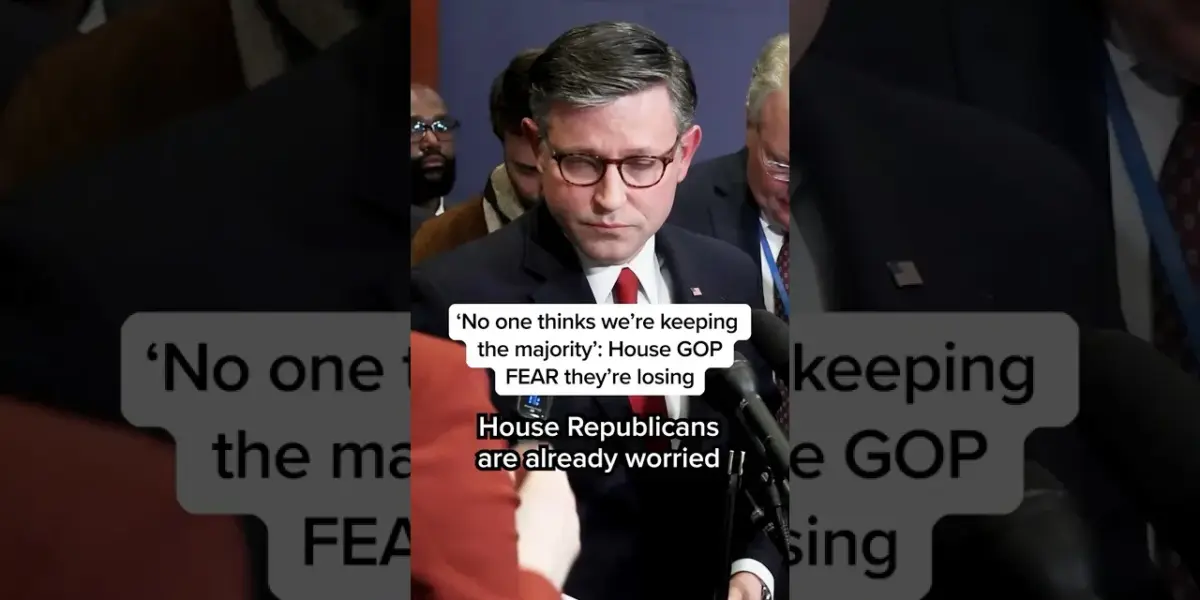
GOP House Members Express Private Doubts on Majority Control
Despite public declarations of confidence from House Republican leadership regarding their prospects in the upcoming midterm elections, a growing number of rank-and-file members are privately voicing significant concerns about their ability to retain their majority. This internal discord, revealed through candid conversations and observations, suggests a potential disconnect between the party’s public messaging and the private anxieties of its lawmakers.
Internal Divisions Surface as Election Looms
The current political climate appears to be fostering a sense of unease within the Republican conference. While leaders like House Speaker Kevin McCarthy continue to project optimism, behind closed doors, many members express a palpable fear that the party might not be able to hold onto its slim majority. This sentiment is reportedly fueled by a combination of factors, including the national political environment, specific candidate performances, and the historical trends that often favor the party not holding the White House during midterm cycles.
“No one thinks we’re keeping the majority,” a senior Republican aide confided, encapsulating the prevalent mood of apprehension. This candid admission stands in stark contrast to the public pronouncements of party leaders, highlighting a significant internal rift in perception.
Factors Contributing to Republican Apprehension
Several key elements appear to be contributing to the growing anxiety among House Republicans. National polling trends, which can often be a bellwether for midterm outcomes, are reportedly not as favorable as Republican leadership might wish. Furthermore, the performance of certain Republican candidates in competitive districts has become a focal point of concern. In some cases, candidates who have embraced more extreme rhetoric or controversial stances are seen as liabilities, potentially dragging down the entire party ticket.
The historical precedent of midterm elections also plays a role. Typically, the party controlling the presidency experiences a backlash at the polls during the first midterm election of a president’s term. While this trend is not deterministic, it creates an uphill battle for the incumbent party, which in this case is the Republican party in the House. The current political landscape, marked by economic concerns and societal divisions, further complicates the electoral map for the GOP.
Leadership’s Public Posture vs. Member Concerns
House Republican leadership has been actively engaged in efforts to project an image of unity and strength. Public statements from figures like Speaker McCarthy emphasize the party’s legislative achievements and its vision for the future, aiming to rally voters and instill confidence. However, these public displays of optimism seem to be met with skepticism by a significant portion of the conference. The chasm between the official party line and the private sentiments of its members suggests a potential challenge in maintaining party discipline and a cohesive campaign strategy as Election Day approaches.
The discrepancy between public confidence and private fear can have tangible consequences. It can affect fundraising efforts, volunteer mobilization, and the overall morale of the party base. If members believe their chances are slim, they may be less inclined to invest the necessary resources and energy into their campaigns, potentially becoming a self-fulfilling prophecy.
Broader Implications for the Republican Party
The internal anxieties within the House GOP carry broader implications for the party’s trajectory. A failure to maintain the majority could lead to a period of introspection and leadership challenges. Conversely, even if they manage to hold on, the evident divisions could hinder their ability to govern effectively. The differing perspectives on strategy and the level of concern highlight a potential ideological or strategic fault line within the party that could be exacerbated by electoral outcomes.
The reliance on certain candidate profiles and the broader national mood are critical factors that will ultimately shape the outcome. The ability of Republican leadership to navigate these internal divisions and effectively address the concerns of their members will be crucial in the remaining campaign period.
What to Watch Next
As the midterm elections draw nearer, all eyes will be on the public statements and private actions of House Republicans. The true extent of their concerns will likely become clearer as the campaign enters its final stretch. Voter turnout, economic indicators, and the effectiveness of both parties’ messaging will be key determinants. The performance of specific swing districts and the outcomes of closely contested races will provide crucial insights into whether the GOP’s public optimism is justified or if their private fears are indicative of a looming electoral setback.
Source: 'No one thinks we're keeping the majority': House GOP FEAR they're losing (YouTube)

Related Articles
House Republicans Reject Senate Deal, Sparking Government Funding Clash
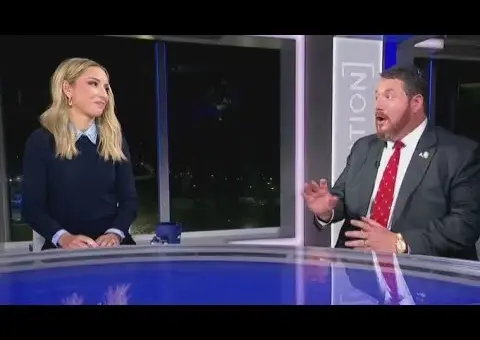
House Republicans have rejected a Senate bill to end the government shutdown, citing insufficient border security measures. Congressman Randy Fine called the Senate deal a "disgrace" and highlighted the ongoing fight for full government funding. President Trump's executive order to pay TSA agents offers temporary relief, but the core disagreement over border security continues to paralyze Washington.

Voter ID: Common Sense or Suppression?
A growing debate surrounds voter ID laws, with proponents calling them a common-sense measure against fraud and opponents fearing voter suppression. Many countries and U.S. states already require ID to vote.
Trump’s Name Everywhere: A ‘Stain’ on GOP Legacy?
Former President Donald Trump's efforts to brand national symbols, including a proposed signature on dollar bills, spark debate. Critics view this as an authoritarian attempt to embed his legacy, potentially staining the Republican Party's history and contrasting with democratic ideals of public ownership.