Pentagon’s Photo Ban: Narcissism Trumps Transparency
The Pentagon's alleged ban on photographers, stemming from an "unflattering" photo of Pete Hegseth, raises serious concerns about transparency and press freedom. This move, coupled with pre-approval requirements for statements, suggests a troubling trend of information control driven by personal vanity rather than national security.

Pentagon’s Photo Ban: Narcissism Trumps Transparency
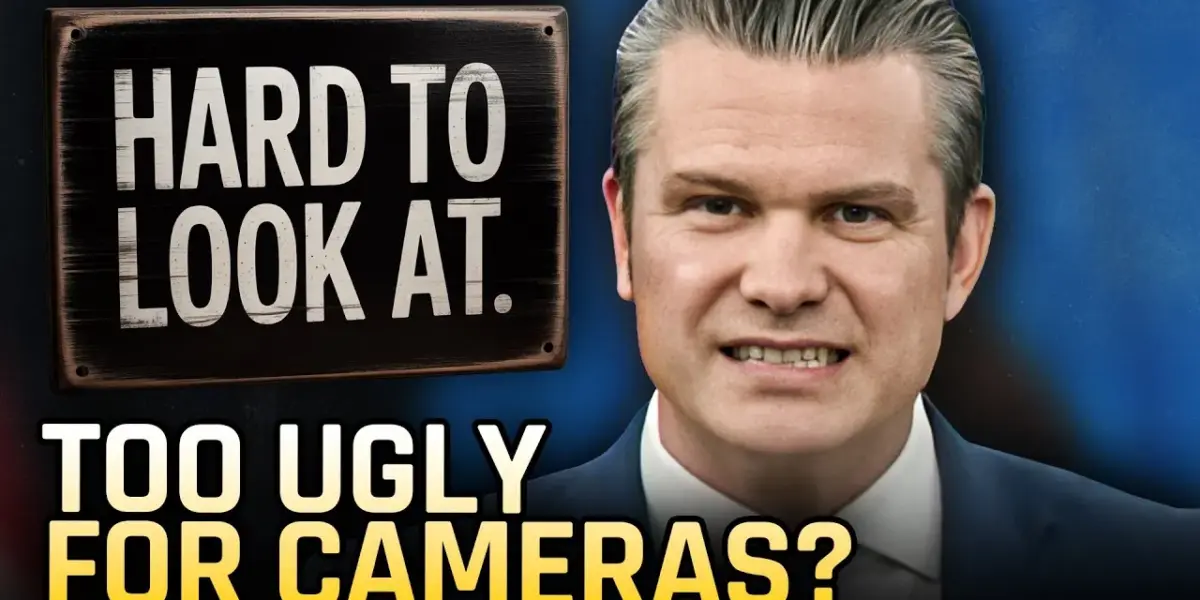
In a move that raises serious questions about transparency and the freedom of the press, the Pentagon has reportedly banned photographers from its premises. The catalyst for this drastic measure, according to a Washington Post report, appears to be a single “unflattering” photograph of Pete Hegseth, a high-ranking official within the Pentagon. This incident has ignited a debate about the motivations behind such a decision and its broader implications for media access to government institutions.
A Chilling Effect on Media Access
The alleged ban on photographers is not an isolated incident but rather the latest in a series of actions that have significantly curtailed media access and freedom within the Pentagon since Hegseth’s ascent to power. Previously, the transcript indicates a stringent policy was enacted whereby no Pentagon personnel are permitted to issue statements to reporters without Hegseth’s explicit approval. Furthermore, those who do engage with the press are reportedly bound by agreements that prevent the publication of any information without Hegseth’s prior review and consent. This creates a situation described as a “Ministry of Propaganda,” where information flow is tightly controlled and curated.
The Vanity Defense?
The core of the controversy, as presented, centers on Hegseth’s alleged personal displeasure with a particular photograph. The argument put forth is that his vanity has superseded the public’s right to information and the media’s ability to document events without undue influence. The transcript sarcastically posits that the perceived attractiveness of a Pentagon official in photographs is now the paramount concern, suggesting this is what will truly “strike fear in the hearts of the Iranians” or deter adversaries like Russia from further aggression in Ukraine. This hyperbolic framing highlights the perceived absurdity of prioritizing personal image over substantive national security communication.
Pentagon’s Response: A Rationale Under Scrutiny
The Pentagon has issued a statement defending its decision, citing “effective use of space in the Pentagon briefing room.” The statement suggests that only one representative per news outlet is allowed for uncredentialed access, excluding pool photographers. It further claims that photographs from briefings are immediately released online for public and press use. For news outlets whose business models are allegedly harmed by this, the Pentagon advises applying for credentials, which would then necessitate signing a confidentiality agreement and submitting to Hegseth’s approval process.
This rationale, however, has been met with skepticism. The transcript points out that previous administrations, and indeed “literally every other administration that has ever existed,” did not face such spatial constraints. The idea that suddenly, after decades of accommodating reporters and photographers, the Pentagon has run out of room is presented as implausible. The mention of a recent $225 million expenditure on furniture, juxtaposed with the claim of a lack of seating, further underscores the perceived disingenuousness of the official explanation.
Historical Context: The Evolving Relationship Between Government and Press
The tension between government institutions and the press is a long-standing narrative. Historically, access to government spaces and information has waxed and waned depending on the administration and the geopolitical climate. The post-World War II era saw a gradual increase in media access, fostering a more open dialogue. However, periods of heightened national security concerns, such as the Cold War or the post-9/11 era, often led to tighter controls and restricted access, justified by the need for operational security. What appears to be unfolding at the Pentagon, however, seems to depart from security concerns and veer into the realm of personal control and image management.
The Specter of Narcissism and Authoritarian Tendencies
The critique extends beyond the immediate photo ban to a broader assessment of leadership style. The transcript draws a parallel between Pete Hegseth and Donald Trump, suggesting a shared trait of narcissism that hinders proper functioning. The implication is that a leader overly concerned with personal image and control may be ill-equipped to handle the complexities of national security and the essential role of a free press in a democracy. Such tendencies can foster an environment of fear and self-censorship, undermining the very principles of open governance.
Why This Matters
This incident is significant because it touches upon fundamental democratic principles. The freedom of the press is a cornerstone of accountability, allowing the public to be informed about the actions of its government. When access is restricted, especially under the guise of logistical issues or personal sensitivities, it erodes public trust and opens the door to opacity. The control over statements and the requirement for pre-approval of content represent a dangerous step towards information manipulation, where the narrative is dictated by the institution rather than being independently reported.
Implications, Trends, and Future Outlook
The trend towards greater information control by government entities is a growing concern globally. If the Pentagon’s actions become a precedent, it could embolden other agencies to implement similar restrictions, further limiting the media’s ability to scrutinize government operations. The reliance on digital dissemination of official photos, while seemingly transparent, bypasses the critical role of photojournalists in providing context, capturing candid moments, and offering alternative perspectives. The future outlook could see an increasingly curated and less authentic portrayal of government activities, making it harder for citizens to discern truth from propaganda. The battle for access and transparency in government institutions is likely to continue, with the media fighting to uphold its watchdog role against the backdrop of evolving communication technologies and leadership styles.
Source: Hegseth Thinks He’s an UGLY FOOL (YouTube)

Related Articles
Pentagon Chief Blocks Black, Female Officers’ Promotions
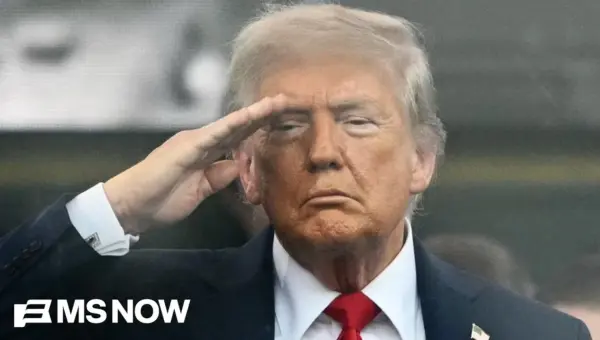
Pentagon chief Pete Hegseth is reportedly blocking the promotions of four Army officers, two Black and two women, to one-star general. This decision follows reports of alleged discriminatory remarks made by a top aide to Secretary Hegseth regarding President Trump's comfort standing with Black female officers.
Pentagon Weighs 10,000 Troops for Iran Showdown
The Pentagon is reportedly weighing a significant troop increase of 10,000 soldiers to the Middle East, potentially escalating tensions with Iran. This move comes amid reports of U.S. precision strikes and interceptions of Iranian missiles by allies, raising concerns about regional stability and global oil supplies.

Heated Cabinet Meeting Exposes Media-Trump Dance
A recent televised cabinet meeting saw Pete Hegseth clash with the media over reporting on Iran, calling the operations a "pure American success." Critics argue these meetings are performative and question the narrative of success, citing potential troop involvement and ongoing Iranian defiance.