Trump’s Iran Stance Sparks Global Energy Crisis
The Trump administration's assertive policy towards Iran has inadvertently triggered a historic global energy crisis, disrupting supply and driving up prices worldwide. This geopolitical tension has far-reaching economic and international implications.

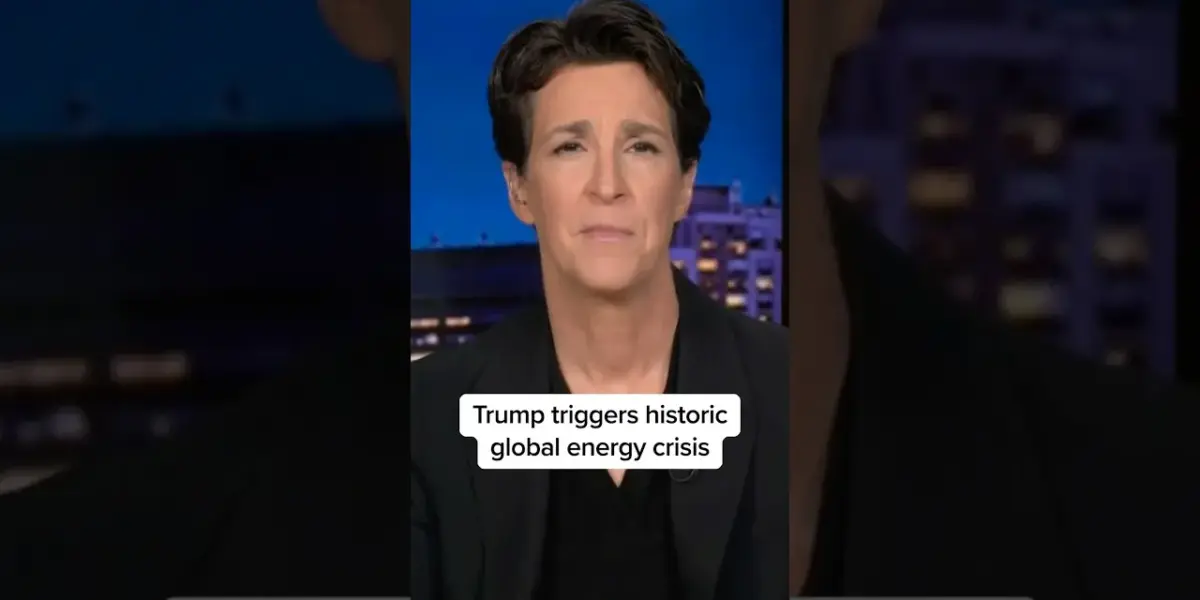
Global Energy Markets Reel Under Trump Administration’s Iran Policy
In a move that has sent shockwaves through international energy markets, the Trump administration’s assertive stance on Iran has inadvertently triggered what is being described as a historic global energy crisis. The policy, characterized by its confrontational approach towards Tehran, has disrupted supply chains and driven up prices, leaving nations scrambling to secure stable energy sources.
The Genesis of the Crisis: A Policy Under Fire
The Trump administration has consistently portrayed its actions as having significant, often positive, global implications. However, critics argue that the current energy crisis is an unintended consequence of a policy that prioritized political objectives over market stability. The aggressive posture adopted by the U.S. towards Iran, a significant oil-producing nation, has led to increased geopolitical tensions and uncertainty in a region critical to global energy flows.
“Donald Trump likes to portray himself and the things he does as having historic significance, but the historic energy crisis he has imposed upon the world with his ill-conceived attack on Iran is the kind of record-setting he should probably work harder to avoid,” stated a commentary from MS NOW, a news and opinion outlet.
Impact on Global Energy Supply and Prices
The repercussions of the heightened tensions have been felt acutely in global energy markets. Sanctions and the threat of military escalation have significantly curtailed Iran’s oil exports, removing a substantial volume of crude from the market. This reduction in supply, coupled with the inherent instability of the Middle East, has created a volatile environment where prices have surged. Nations heavily reliant on imported oil are now facing significant economic challenges, as the cost of energy impacts everything from transportation to industrial production.
The crisis is not merely a matter of price increases; it is also about the reliability of supply. The geopolitical uncertainty surrounding Iran has made many energy producers and consumers wary, leading to a cautious approach in market dynamics. This caution can further exacerbate supply-demand imbalances, creating a feedback loop that drives prices even higher and increases the risk of shortages.
Broader Geopolitical and Economic Ramifications
Beyond the immediate economic impact, the energy crisis has broader geopolitical implications. The increased reliance on alternative energy sources and producers could shift global power dynamics. Nations that are able to maintain stable energy supplies may gain leverage, while those struggling with shortages could face domestic instability and reduced international influence. The situation also puts pressure on international relations, as countries seek to navigate the complex web of sanctions, trade agreements, and energy security concerns.
The Trump administration’s “maximum pressure” campaign against Iran, aimed at curbing its nuclear program and regional influence, has thus had a far-reaching and largely negative effect on global economic stability. The strategy, while perhaps achieving some of its intended political goals, has come at a significant cost to the world’s energy infrastructure and the economies that depend on it.
Expert Analysis and Future Outlook
Analysts are closely monitoring the situation, with many expressing concern about the long-term consequences of this energy crisis. The potential for further escalation in the Middle East remains a significant threat, which could lead to even greater disruptions. The global community is now faced with the challenge of finding a diplomatic solution that can de-escalate tensions and restore stability to energy markets.
The current trajectory suggests that the world may continue to grapple with elevated energy prices and supply uncertainties for the foreseeable future. The effectiveness of diplomatic efforts, the response of other major oil producers, and the internal dynamics within Iran will all play crucial roles in shaping the future of this unfolding crisis. The administration’s approach, once lauded by its proponents, is now under intense scrutiny for its destabilizing effect on a critical global commodity.
What to Watch Next
Moving forward, all eyes will be on diplomatic channels and the potential for de-escalation in the Middle East. The ability of international bodies and key global powers to mediate a resolution will be critical. Furthermore, the resilience of global energy markets to absorb further shocks, and the strategies adopted by nations to diversify their energy portfolios, will be key indicators of how the world navigates this historic energy challenge. The long-term impact of the Trump administration’s Iran policy on global energy security remains a critical narrative to follow.
Source: Trump triggers historic global energy crisis (YouTube)

Related Articles


US Cardinal’s Papal Upset Redraws Vatican Influence
Pope Francis's election defied expectations, including his own, as an American cardinal believed an "American" Pope was unthinkable. The swift conclave surprised many, highlighting the unpredictable nature of papal selections and signaling a potential shift in the Church's global direction.


MN AG Blasts Trump’s ‘Wicked’ Insults Amid ‘No Kings’ Protests
Thousands protested President Trump's policies nationwide, with Minnesota AG Keith Ellison condemning his "wicked" and "corrupt" nature. Ellison also discussed a state lawsuit against the federal government over withheld evidence in officer-involved shootings.

Trump’s War Strategy Faces Skepticism Amidst Shifting Goals
President Trump's strategy in the ongoing Middle East conflict is facing increasing skepticism, even from his own base. While military actions have seen success, strategic goals are unclear and diverging from allies like Israel. The prolonged war and shifting public perception are creating a sense of uncertainty and doubt.