Prosecutor’s Meltdown Exposes Abuse of Power in Powell Subpoena Fight
A federal judge's ruling against U.S. Attorney Janine Pirro's attempt to subpoena Jerome Powell reveals a pattern of alleged prosecutorial overreach. The incident highlights concerns about the politicization of justice and the accountability of officials wielding significant power.

Prosecutor’s Meltdown Exposes Abuse of Power in Powell Subpoena Fight
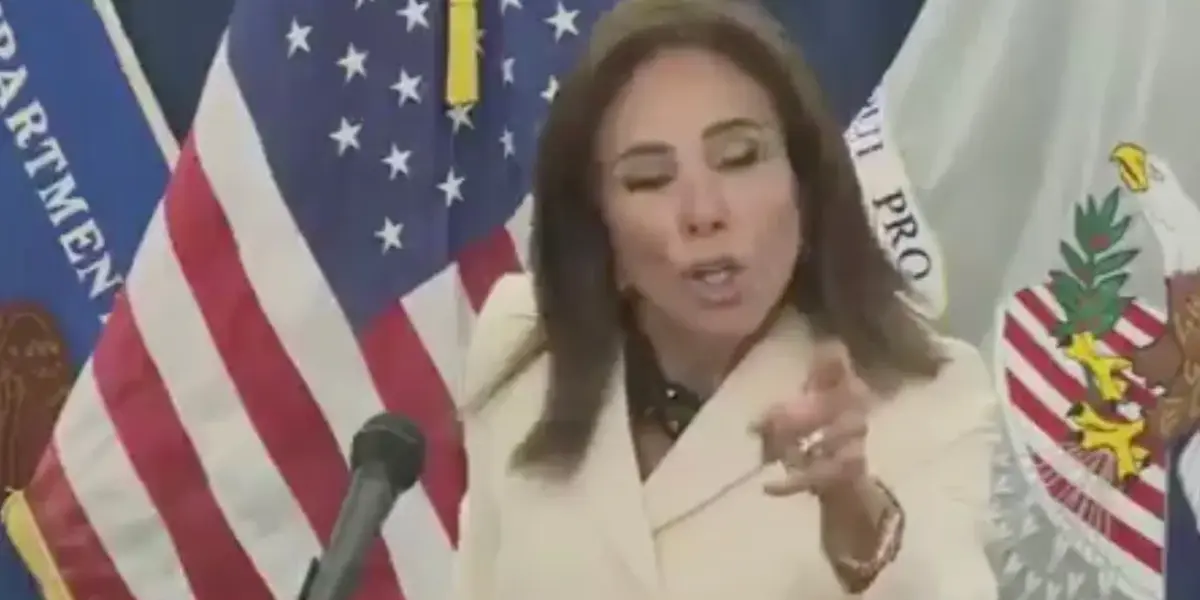
A recent federal court ruling has cast a harsh spotlight on the actions of U.S. Attorney for the District of Columbia, Janine Pirro, and the broader implications of prosecutorial overreach. The incident, which saw Pirro visibly “losing it” after a judge blocked her attempts to subpoena Federal Reserve Chair Jerome Powell, has ignited a debate about the politicization of the justice system and the accountability of those in positions of power.
The Powell Subpoena Saga
The core of the controversy lies in Pirro’s attempt to issue subpoenas targeting Jerome Powell. These subpoenas were reportedly aimed at investigating alleged “cost overruns” at the Federal Reserve and whether Powell had misled Congress on the matter. However, Chief Judge James Boasberg of the U.S. District Court in D.C. decisively quashed these subpoenas in a 22-page ruling.
Judge Boasberg’s decision was scathing, stating, “There is abundant evidence that the subpoena’s dominant, if not sole, purpose is to harass and pressure Jerome Powell, either to yield to the president or to resign and make way for a Fed chair who will.” Crucially, the judge noted, “On the other side of the scale, the government… offered no evidence whatsoever that Powell committed any crime. crime other than displeasing the president.” The ruling underscored that “displeasing dear leader is not a crime” and that such actions constitute an abuse of the grand jury’s subpoena power.
Pirro’s Reaction and the Underlying Motives
Pirro’s explosive reaction, captured in the video, stemmed from what legal analysts describe as being “caught” in an attempt to leverage prosecutorial power for political ends. Her outburst, characterized as a “meltdown,” followed a reporter’s pointed question about her office’s track record of failed prosecutions and the alleged abuse of grand juries. The commentary suggests her anger was fueled by both the embarrassing judicial rebuke and the public exposure of her methods.
The transcript strongly implies that Pirro’s actions were directly influenced by former President Donald Trump. For years, Trump had publicly and aggressively attacked Jerome Powell, demanding lower interest rates and even calling for his resignation. When Powell did not comply, the narrative presented is that Trump pressured his U.S. attorneys, including Pirro, to take action. The issuance of the subpoenas, occurring shortly after Trump’s frustrations peaked, is presented as a direct response to these pressures, despite the apparent lack of evidence of any crime committed by Powell.
The “Trump Administration MO” and Prosecutorial Misconduct
Legal experts in the discussion frame Pirro’s actions within a broader pattern of behavior attributed to the Trump administration’s Department of Justice. The term “modus operandi” is used to describe a perceived tendency to misuse the power of the DOJ to target perceived enemies of the former president. Judge Boasberg’s ruling itself references other instances where the Trump administration allegedly misused its power, thereby building a historical context for Pirro’s specific actions.
The legal analysis emphasizes that the law prohibits the issuance of grand jury subpoenas for improper purposes, such as harassment or coercion. The ruling highlights that even if there were a tangential hint of wrongdoing, the “dominant purpose” of intimidating or coercing political action renders the subpoena invalid. The lack of any evidence presented by the prosecution to demonstrate Powell committed a crime, even when given a private opportunity by the judge, is cited as clear evidence of this unethical behavior.
Accountability and Future Implications
A significant concern raised is the potential for impunity for individuals like Pirro who are perceived to be acting under political influence. However, the discussion offers a counterpoint: accountability. It is suggested that individuals who engage in such conduct may face consequences, drawing parallels to the ethics investigations and potential disbarment faced by other former Trump-era attorneys. The “Trump White House to disbarment pipeline” is noted as a developing trend.
The ruling is seen as a crucial piece of evidence for future cases involving perceived “vindictive prosecutions” by Donald Trump or his allies. By documenting the pattern of alleged misuse of prosecutorial power, Judge Boasberg’s opinion provides ammunition for defendants to argue that they are being targeted for political reasons, not for actual criminal conduct. This erodes the “presumption of regularity” that government actions are typically afforded, making it increasingly difficult for such politically motivated actions to succeed.
Next Steps and the Rule of Law
Despite the clear rebuke, Pirro’s office has announced plans to file a motion for reconsideration and an appeal to the D.C. Circuit Court of Appeals. However, the strength of Judge Boasberg’s ruling, particularly his finding that the prosecution offered “zero evidence” of a crime, suggests these efforts may be unlikely to succeed.
Ultimately, the incident is presented as a victory for the rule of law. The judiciary, in this instance, is seen as standing firm against prosecutorial overreach and political pressure. The analysis concludes that while such attempts at weaponizing the justice system may continue, the increasing documentation of these failures and the robust judicial responses are making it progressively harder for them to achieve their intended, often vindictive, outcomes.
Why This Matters
This case is significant because it illustrates the critical importance of an independent judiciary and the potential for abuse when prosecutorial power is wielded for political purposes. The ruling against Janine Pirro serves as a stark reminder that even powerful positions within the justice system are not immune to scrutiny and that the principle that “displeasing the president is not a crime” must be upheld. The implications extend to public trust in legal institutions and the ongoing struggle to maintain the integrity of the justice system against political interference. The trend of potential disbarment for unethical conduct among former Trump-appointed prosecutors also highlights a mechanism for accountability, albeit one that follows the alleged wrongdoing.
Historical Context and Background
The events unfold against a backdrop of heightened political polarization in the United States. The use of the justice system as a political weapon has been a recurring theme, particularly during the Trump presidency. Donald Trump frequently used public platforms to criticize judges, prosecutors, and law enforcement officials he perceived as being unfair to him or his allies, while simultaneously demanding aggressive action against his political opponents. This context of public pressure and implied directives from the executive branch on prosecutorial decisions is crucial to understanding the motivations behind Pirro’s actions and the judge’s strong condemnation.
Implications, Trends, and Future Outlook
The trend of “vindictive prosecutions” being challenged and often failing is becoming more pronounced. As more such cases are documented and ruled upon, a body of precedent and “atmospheric precedent” is building. This makes it increasingly difficult for future attempts to misuse the DOJ or grand jury powers to succeed. The “presumption of regularity” is being replaced by a heightened skepticism towards government actions when initiated under circumstances that suggest political motivation. The future outlook suggests that while such tactics may persist, the legal system is developing stronger defenses against them, and the individuals involved may face professional repercussions. The ongoing legal battles and ethical reviews will continue to shape the landscape of prosecutorial conduct and accountability.
Source: “CUT IT OUT!!” Jeanine Pirro LOSES IT in unhinged MELTDOWN (YouTube)

Related Articles
DOJ Official’s Remarks Spark Outrage Over Political Allegations
A top Trump DOJ official's speech at CPAC has sparked controversy, with claims of incriminating admissions regarding fears of prosecution and alleged political motivations. The remarks have raised serious questions about impartiality within the Department of Justice.
Trump’s Iran War Plans Criticized Amid Border Funding Standoff
Lawmakers and analysts are criticizing the Trump administration's handling of the Iran conflict and its approach to border funding, arguing that a lack of clear planning and a focus on political battles are making the U.S. less safe. Concerns are particularly high regarding the FBI's priorities and the potential impact of these issues on national security.
DOJ Pays Millions to Ally: Is This Legal?
A $1.2 million payout from the DOJ to Mike Flynn, a former Trump ally, has sparked outrage and questions about legality and oversight. Critics fear a pattern of "grift and corruption," while calls for accountability echo historical precedents.