Trump Voter’s Lament: “I Miss My Uncle Joe” Reveals Populism’s Fallout
A Trump voter's candid admission of missing "Uncle Joe" reveals a deeper economic disillusionment and a potential shift in the appeal of right-wing populism. The analysis explores the life cycle of populist movements and the voter's longing for perceived stability.

The Unforeseen Echoes of Populist Promises
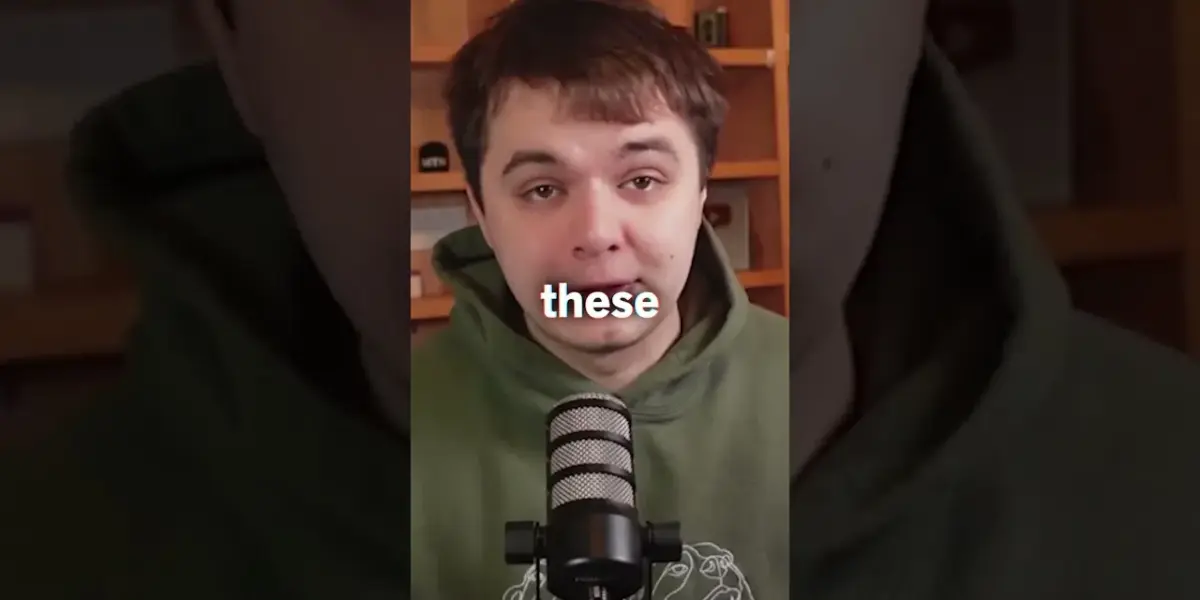
In the often tumultuous landscape of American politics, a recent sentiment, captured in a viral video, offers a poignant glimpse into the evolving perspectives of voters. A self-identified Trump supporter, when asked about their current voting decision, expressed a surprising sentiment: “I miss my Uncle Joe.” This simple, yet profound, statement encapsulates a broader disillusionment, suggesting that the fervent promises of right-wing populism may be yielding to a longing for the perceived stability of a more conventional political era, even one previously criticized.
From “Balling” to Bare Pockets: The Economic Reckoning
The voter’s reflection goes beyond a mere nostalgic yearning. They articulate a stark economic contrast between their past and present realities. “I was a nobody, and I was balling then,” they recall, vividly describing a time when their financial situation felt secure. This sense of prosperity has evaporated, replaced by an inability to even produce a modest sum of cash. The tangible impact of economic shifts is highlighted by the soaring gas prices, a potent symbol of everyday financial strain. The voter remembers a promise of gas under $3 a gallon, a stark contrast to the current reality of approximately $5 a gallon. This price hike is not attributed to external forces but is framed as a consequence of the current administration’s policies, a sentiment that underscores the deep-seated economic anxieties fueling political discourse.
Deconstructing the Populist Cycle: A Historical Lens
This voter’s experience is not an isolated incident but, as one observer suggests, representative of a larger phenomenon: the life cycle of right-wing populism. This perspective posits that during periods of significant wealth inequality, populist leaders emerge, capitalizing on public dissatisfaction and promising radical change. Figures like Donald Trump, Steven Miller, J.D. Vance, and even tech magnates like Elon Musk are cited as examples of this trend. The initial appeal lies in challenging established norms and offering a seemingly decisive break from the status quo.
The Erosion of Norms and the Quest for Stability
However, the analysis suggests that once these populist figures gain power, the inherent limitations and potential drawbacks of their approach become apparent. The observer argues that the very structures and norms that populists often deride are, in fact, crucial for maintaining order and stability. The comparison is drawn to Joe Biden, whose leadership, despite perceived flaws like “sleepiness” or a stutter, is characterized as having provided a “steady hand” on the economy. This steady hand is defined by a rejection of protectionist trade policies, such as imposing tariffs on every country, and an avoidance of undue political pressure on institutions like the Federal Reserve (represented by the mention of not pressuring Jerome Powell with investigations). The implication is that while populist rhetoric may offer catharsis, the practical governance of a complex nation requires a more measured and predictable approach.
An Unforced Error? Blaming the Populist Retreat
The current economic downturn, according to this critical viewpoint, is not the result of external sabotage by adversaries like Russia, but rather an “unforced error” – a self-inflicted wound stemming from the policies and decisions made during the populist ascendancy. The sentiment expressed by the voter, longing for the calmer, more predictable days under a previous, albeit different, administration, resonates with this interpretation. It suggests a realization that the disruption and upheaval associated with challenging the established order, while initially appealing, may ultimately prove more detrimental to the average citizen’s daily life and economic well-being.
Why This Matters
This seemingly simple expression of regret from a Trump voter carries significant weight. It highlights the critical disconnect that can emerge between the aspirational promises of populist movements and the lived economic realities of their supporters. It underscores that while challenging the status quo can be a powerful political tool, the erosion of established norms and institutions can have tangible, negative consequences for economic stability and individual prosperity. The narrative suggests that voters, regardless of their initial political leanings, are ultimately concerned with their day-to-day lives and financial security. When populist promises fail to materialize, or worse, lead to economic hardship, a reassessment of political choices is likely to follow.
Implications, Trends, and Future Outlook
The trend observed here suggests a potential recalibration of the political landscape. As the initial fervor of populist movements wanes, voters may increasingly prioritize stability and predictability over radical disruption. This could lead to a resurgence of more traditional political figures and policies, or at the very least, a more critical examination of populist leaders and their economic platforms. The future outlook may see a greater emphasis on pragmatic governance and a more cautious approach to dismantling established economic and political structures. The lesson learned by this voter – that a seemingly “calmer” era, even with its own criticisms, offered a more stable economic footing – could resonate with a broader segment of the electorate, influencing future electoral outcomes.
Historical Context and Background
The phenomenon described echoes historical patterns of populism. Throughout history, periods of economic distress and widening inequality have provided fertile ground for populist movements that promise to overthrow corrupt elites and restore prosperity. However, many of these movements have struggled to translate their initial success into sustained, effective governance. The challenges of managing complex economies, maintaining international relations, and upholding democratic norms often prove more difficult than the rhetoric of change suggests. The current moment, therefore, can be seen as another chapter in this ongoing historical narrative, where the allure of populist disruption eventually confronts the realities of governance and the enduring need for stability.
The voter’s lament is a powerful reminder that political discourse is ultimately grounded in tangible human experience. Economic well-being, stability, and a sense of personal security are paramount, and when these are threatened, even the most ardent supporters of change may find themselves yearning for the familiar.
Source: Trump Voter Admits: “I Miss My Uncle Joe” #politics #fyp #new (YouTube)

Related Articles

House Republicans Reject Senate Deal, Sparking Government Funding Clash
House Republicans have rejected a Senate bill to end the government shutdown, citing insufficient border security measures. Congressman Randy Fine called the Senate deal a "disgrace" and highlighted the ongoing fight for full government funding. President Trump's executive order to pay TSA agents offers temporary relief, but the core disagreement over border security continues to paralyze Washington.
Voter ID: Common Sense or Suppression?
A growing debate surrounds voter ID laws, with proponents calling them a common-sense measure against fraud and opponents fearing voter suppression. Many countries and U.S. states already require ID to vote.

MAGA Voters Divided Over Potential Iran War
The potential for a US war with Iran has sparked debate at CPAC, revealing a divided MAGA base. While some support military action, many express concerns over prolonged conflicts and rising economic costs, particularly higher gas prices.