Epstein Ties Haunt Trump, Empower Iran Amidst Escalating Conflict
Allegations surrounding Donald Trump's past associations with Jeffrey Epstein are being weaponized by Iran to rally domestic support and undermine the U.S. This tactic, the transcript argues, creates a dangerous geopolitical climate that could compromise the safety of American troops.

Epstein’s Shadow Looms: How Allegations Against Trump Fuel Iranian Propaganda and Endanger U.S. Troops
The lingering shadow of Jeffrey Epstein’s alleged crimes and Donald Trump’s past associations with him have resurfaced, not merely as a personal stain, but as a potent geopolitical weapon. In the volatile landscape of a potential conflict with Iran, these allegations are being actively leveraged by Iranian leadership to galvanize their populace and undermine the United States, creating a dangerous dynamic that the transcript suggests could compromise the safety of American troops.
The “Epstein Class” as a Rallying Cry
According to the transcript, Iranian officials are employing the term “Epstein class” to describe figures they associate with Trump and his circle. This rhetoric is reportedly being used in public addresses and military parades to paint the U.S. as morally compromised. Iranian generals are allegedly telling their citizens that the very people seeking to exert influence in Iran are those who have been involved in covering up a child sex trafficking ring. This narrative aims to foster revulsion and unite the Iranian population against perceived American hypocrisy and depravity.
“Do you really want to be ruled by the Epstein class? The people covering up a child sex trafficking ring are the people who want to come here and govern in Iran. You want them doing to you what they’ve done in their past,” is cited as an example of the messaging used by Iranian security apparatus.
A “Wag the Dog” Scenario?
The transcript posits that the timing of the escalation with Iran may not be coincidental. It suggests that the “unlawful war against Iran” was potentially launched, in part, as a distraction from the mounting information about Donald Trump’s connections to Epstein, particularly following the release of the Epstein files. This theory, often referred to as a “wag the dog” scenario, implies that an external crisis is manufactured to divert public attention from domestic scandals or controversies.
Statements from Iranian officials, such as the speaker of Iran’s parliament, Muhammad Baggar Galibbuff, who declared, “The fate of Iran will be determined solely by the Iranian nation not by the Epstein gang,” and national security advisor Ali Larajani’s pointed remarks about leaders being “among the people” versus “on Epstein Island,” underscore this strategy. Larajani’s reported display of a video of Iranian President Peski walking among citizens, contrasted with the implication of secrecy and depravity associated with “Epstein Island,” highlights the propaganda effort.
The “Taint” of Association
The transcript argues that in many countries, any association, even indirect, with individuals linked to Epstein leads to immediate ostracization. This is presented as evidence of the universally recognized severity of the allegations. The implication is that the U.S., by contrast, has seen individuals with alleged ties to Epstein remain in positions of power or public life, which Iran is now exploiting.
AI-generated propaganda videos are also mentioned, depicting figures like Netanyahu showing Trump the “Epstein file” and connecting it to devastating attacks, such as the one in Manbij. These visual narratives, however disturbing, are designed to create a visceral link between Trump’s alleged past and violence against civilians, further fueling Iranian public sentiment.
New Allegations and Legal Developments
Recent developments, including the release of FBI files, have brought forth new, disturbing allegations. The transcript references claims by a woman who alleges she was sex-trafficked by Epstein and subsequently sexually assaulted by Donald Trump. While Trump denies these allegations, the transcript notes that a South Carolina newspaper confirmed many details of the accuser’s account related to her experiences in the state. Furthermore, there are reports and discussions around a potential financial settlement between the accuser and the Epstein estate, with conflicting statements from legal representatives involved, adding another layer of complexity and controversy.
The transcript also brings up another allegation where a victim of Epstein claims that Epstein called Donald Trump on speakerphone while the assault was occurring. These allegations, whether proven or not, are being amplified and weaponized by Iran.
Historical Context: Epstein’s Ambitions and Trump’s Predictions
The transcript touches upon Jeffrey Epstein’s alleged long-standing interest in Iran. Emails reportedly show Epstein discussing the possibility of invading Iran with former Israeli Prime Minister Ehud Barak. Additionally, Epstein is said to have believed that Donald Trump, when cornered, would initiate a war with Iran. These historical insights, if accurate, suggest a potential pre-existing framework of interest in destabilizing Iran that aligns with the current geopolitical climate.
The Impact on U.S. Troops
The central argument of the transcript is that this morally compromised image, amplified by Iranian propaganda, places U.S. troops at risk. The narrative suggests that by being perceived as led by individuals associated with profound moral failings, the U.S. loses credibility and moral authority. This can translate into increased animosity from local populations, potentially fueling insurgent activities or making diplomatic efforts more challenging, thereby creating a more perilous environment for military personnel.
Why This Matters
The confluence of serious allegations against a prominent political figure, an escalating international conflict, and sophisticated propaganda campaigns presents a multi-faceted challenge. The transcript argues that the “taint” of these associations, regardless of their ultimate legal standing, can have tangible geopolitical consequences. It questions the ability of a leadership perceived as morally compromised to effectively engage in international diplomacy or military action without facing significant reputational damage and strategic disadvantages.
Implications, Trends, and Future Outlook
This situation highlights the growing sophistication of information warfare, where personal scandals can be seamlessly integrated into national security narratives. The trend of using social media and AI-generated content to disseminate propaganda suggests that such tactics will likely become more prevalent. The future outlook indicates a continued struggle for the U.S. to counter narratives that erode its moral standing on the global stage, particularly when those narratives are rooted in substantiated allegations or documented associations.
The transcript also points to the ongoing legal scrutiny surrounding Epstein’s associates and his death, with mention of Ghislaine Maxwell’s lawyer reportedly working on a pardon. This suggests that the legal and public relations battles stemming from the Epstein saga are far from over and will continue to intersect with political events.
Ultimately, the transcript serves as a stark reminder that in the interconnected world of the 21st century, personal histories and alleged wrongdoings can transcend the private sphere and impact national security, troop safety, and international relations in profound and dangerous ways.
Source: 🚨Trump’s DARK PAST Places US TROOPS AT RISK in WAR!! (YouTube)

Related Articles
Iran Escalates Global Conflict, Threatens World Economy
Yemen's Houthi rebels have officially joined the conflict, launching ballistic missiles at Israel and escalating regional tensions. This move threatens vital shipping lanes like the Red Sea's Bab al-Mandab strait, potentially causing catastrophic economic consequences. Meanwhile, US soldiers have been injured in Iranian missile strikes, adding to the mounting human and financial costs of the escalating war.
Trump’s Iran Claims: Shocked or Deluded by War Games?
Donald Trump claimed surprise over Iran's actions in the Strait of Hormuz, but experts suggest retaliation was inevitable. Military war games likely predicted such a scenario, raising questions about the advice given to the President.
Israel’s Strategy Against Iran Revealed
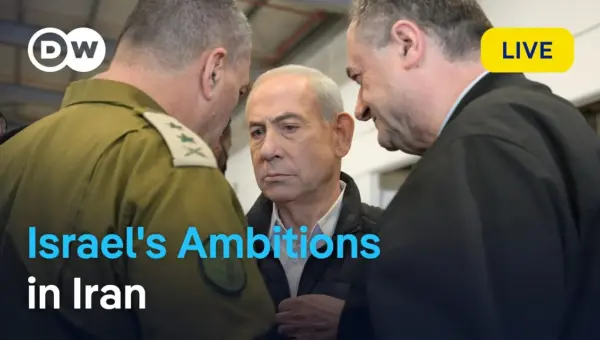
Israel's strategy to counter Iran's nuclear ambitions and regional influence centers on containment, utilizing a mix of covert military actions, intelligence operations, and diplomatic pressure. Analysts highlight the growing urgency due to Iran's nuclear advancements, while also noting the persistent risk of escalation in the volatile Middle East.