Thor’s First Movie Holds Secret Doomsday Clues
A deep dive into the 2011 film Thor reveals surprising connections to the upcoming Avengers: Doomsday, hinting at Doctor Doom's origins and the evolution of Asgardian lore. The podcast "Road to Doomsday" revisits Kenneth Branagh's directorial debut, highlighting its foundational role in the MCU.

Thor’s First Movie Holds Secret Doomsday Clues
As the Marvel Cinematic Universe hurtles towards its next major crossover event, Avengers: Doomsday, fans are re-examining earlier films for hidden connections. A recent deep dive into 2011’s Thor, hosted by Eric Voss and Jessica Clemens on the “Road to Doomsday” podcast, suggests the God of Thunder’s inaugural solo outing might contain surprising foreshadowing for the upcoming saga, particularly concerning the villain Doctor Doom.
Asgardian Origins and Doomsday’s Science-Magic Nexus
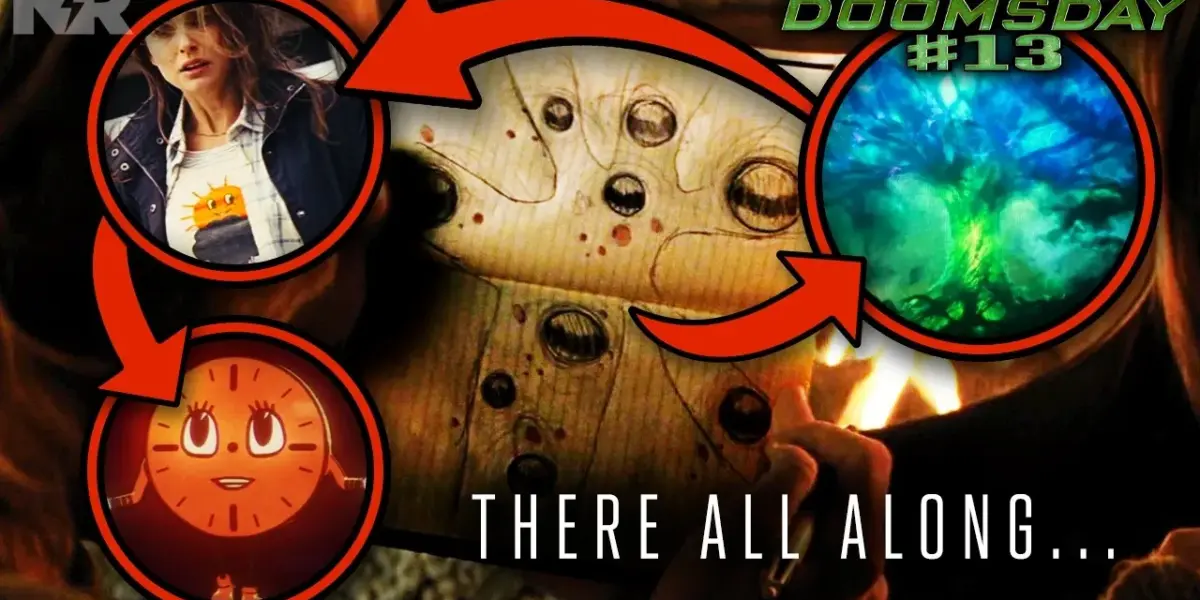
The podcast episode, “THOR (2011) REVISITED: Every Doomsday Clue,” posits that Kenneth Branagh’s directorial debut in the MCU laid groundwork for concepts that will be crucial in Doomsday. Beyond establishing Thor’s character and the majestic world of Asgard, the film’s exploration of science and magic, particularly through Jane Foster’s terrestrial research and Asgardian lore, may have offered early glimpses into how Doctor Doom’s unique blend of technology and sorcery functions. Furthermore, the discussion points to the potential presence of the “Tree of Time,” a concept central to Doom’s powers in the comics and likely in the film.
Thor’s Journey: From Worthiness to Cosmic Warrior
The rewatch highlights the foundational elements of Thor’s character arc introduced in the 2011 film. Chris Hemsworth, relatively unknown at the time, was cast as the titular hero, bringing a blend of power and endearing ignorance to the role. The film chronicles his banishment to Earth for his reckless pride, his struggle to prove his worthiness to wield Mjolnir, and his eventual return to Asgard to defend it. This journey, marked by his interactions with human scientist Jane Foster (Natalie Portman) and his complex relationship with his adopted brother Loki (Tom Hiddleston), sets the stage for Thor’s evolution across multiple MCU phases.
Voss and Clemens emphasize how the film balances Asgardian royal intrigue, reminiscent of Shakespearean drama, with the burgeoning science of Earth. Jane Foster’s team, including Erik Selvig (Stellan Skarsgård) and Darcy Lewis (Kat Dennings), provides a grounded counterpoint to the cosmic spectacle. The podcast notes that Darcy Lewis’s character, in particular, has seen a resurgence, appearing in WandaVision, further connecting older MCU installments to newer narratives.
Loki’s Complexities and Early MCU Worldbuilding
A significant portion of the discussion revolves around Loki, whose character has undergone extensive development, especially with his own Disney+ series. The podcast revisits his initial portrayal as a jealous, “justified” younger brother, a stark contrast to the more nuanced, anti-heroic figure seen in later appearances. The reveal of Loki’s Frost Giant heritage by Odin (Anthony Hopkins) is highlighted as a pivotal moment, explaining his deep-seated insecurities and setting him on his path of villainy, which ultimately leads to his exile and the destruction of the Bifrost bridge.
The production design of Thor is lauded for its successful depiction of Asgard and the Bifrost bridge, creating a visually stunning world that has become iconic within the MCU. The podcast argues that Branagh’s early work in establishing the cosmic side of the MCU, even before James Gunn’s Guardians of the Galaxy, was groundbreaking. Despite some criticism for its use of Dutch angles, the film’s serious tone and commitment to its mythological roots are seen as strengths that were perhaps lost in subsequent Thor installments like Thor: The Dark World and Thor: Love and Thunder.
Connections to Doomsday and the Wider MCU
The podcast crew points out several specific elements that could tie into Avengers: Doomsday. The mention of Yggdrasil, the World Tree, in a campfire scene is noted as a direct precursor to the Tree of Time concept crucial to Doctor Doom’s power. Thor’s prayer to Odin on behalf of his adopted daughter, Love, seen in a recent teaser, directly echoes the familial dynamics and Asgardian traditions established in the first film. The film also features early MCU appearances or nods, including a brief cameo by Jeremy Renner as Hawkeye and a post-credits scene where Nick Fury (Samuel L. Jackson) recruits Erik Selvig, hinting at the Tesseract and the formation of the Avengers.
Voss and Clemens also touch upon the longevity of characters like Thor and Loki within the MCU, noting they are among the few who have spanned both the Infinity Saga and the Multiverse Saga. They acknowledge the potential for other characters, like Agent Coulson (Clark Gregg) and the Netflix Daredevil cast, to have accumulated more screen time through their respective series, but emphasize Thor and Loki’s central roles in the overarching narrative.
Critical Reception and Audience Impact
Released on May 6, 2011, Thor was a critical and commercial success, grossing over $449 million worldwide. It was praised for its cast, particularly Hemsworth and Hiddleston, its visual effects, and its ability to translate a complex comic book mythology to the big screen. While some critics noted the film’s pacing and reliance on CGI, it was widely regarded as a strong entry in the burgeoning MCU, effectively expanding its scope beyond Earth-based heroes.
The rewatch of Thor serves as a reminder of how far the MCU has come and underscores the importance of revisiting its origins. As fans eagerly anticipate Avengers: Doomsday, the insights gleaned from this early installment suggest that the seeds for the universe’s grandest conflicts may have been sown much earlier than previously thought.
Source: THOR (2011) REVISITED: Every Doomsday Clue | Road to Doomsday Ep 13 (YouTube)

Related Articles

Spider-Man Trailer Hints at Mutant Saga!
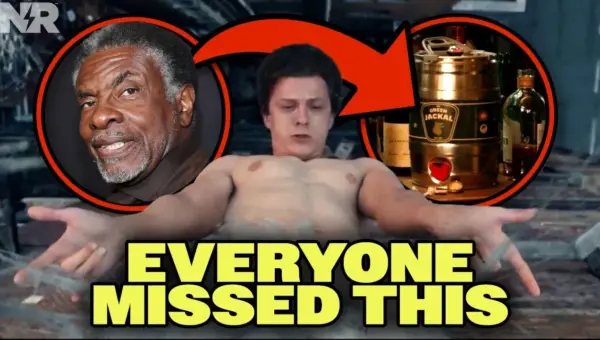
The trailer for Spider-Man: Brand New Day features a mysterious voiceover and subtle clues that hint at a much larger story. Fans speculate the film is secretly setting up the introduction of mutants into the MCU, potentially involving characters like The Jackal.

Marvel’s Heroes Show Real Feelings
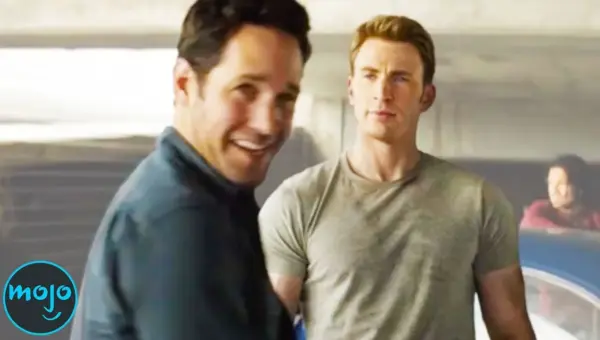
Marvel movies often show epic battles, but the most memorable moments are often the most human. From Ant-Man geeking out over Captain America to Spider-Man enjoying a burger, these scenes reveal the relatable struggles and simple joys of our favorite heroes. Discover which moments truly capture the everyday experiences within the Marvel Cinematic Universe.
Captain America’s Humble Beginnings Resonate Today
A look back at 2011's 'Captain America: The First Avenger' highlights its crucial role in the MCU. The film's introduction of key characters, plot points, and the Tesseract continues to influence the franchise, setting the stage for future Avengers installments.