Theroux’s Manosphere Doc Slammed as ‘Behind the Curve’
Louis Theroux's new documentary on the manosphere has been criticized for being "behind the curve" and "too gentle," failing to confront controversial figures adequately. Meanwhile, the new comedy series "Rooster" starring Steve Carell is being praised for its clever writing and refreshing comedic tone.

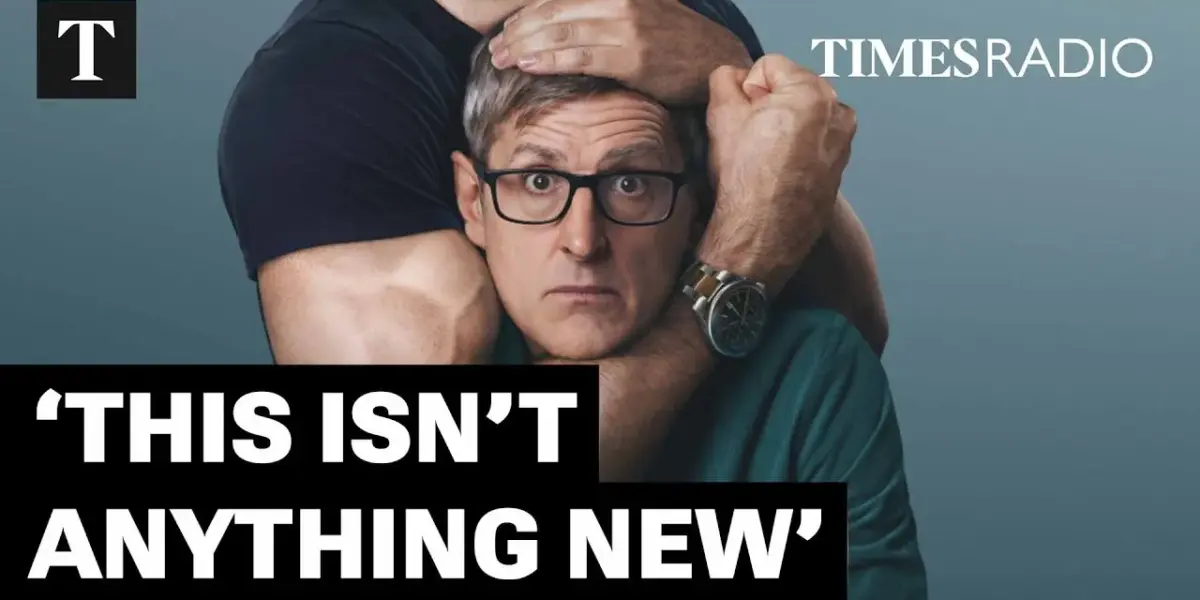
Theroux’s Manosphere Documentary Criticized for Being Outdated
Louis Theroux’s latest documentary, “Inside the Manosphere,” released on Netflix, has drawn sharp criticism for its perceived lack of depth and dated approach. While acknowledged as potentially shocking for first-time viewers, critics argue the film fails to offer new insights or adequately confront the controversial figures it profiles. The documentary, which sees Theroux engaging with individuals associated with the “manosphere” – a loosely connected online ecosystem of misogynistic and anti-feminist viewpoints – has been described as “behind the curve” and “too gentle” by commentators.
“Behind the Curve” and a Lack of Confrontation
The central critique leveled against “Inside the Manosphere” is its failure to offer a robust journalistic challenge to the views presented. Reviewers suggest that Theroux’s signature understated style, often characterized by a seemingly passive observational approach, proved ineffective against the “hyper alpha male toxic” personalities interviewed. Instead of probing deeply or directly challenging their often abhorrent statements, Theroux is seen as allowing interviewees ample space to expose themselves, a tactic deemed insufficient by some.
“These people deserved to be properly confronted and Louis doesn’t do that,” one critic stated. “It felt like it should have been shown five years ago. It felt a bit old fashioned.” Another added, “It’s very behind the curve. And so you didn’t really learn anything new.”
The documentary touches upon themes prevalent in the manosphere, including the assertion that men exclusively build and maintain society. When questioned about women’s contributions, one interviewee dismissively asked for examples of inventions or structures built by women, claiming it was a “fact” that men were solely responsible. Despite expressing affection for women, the same individuals often express skepticism about women’s aspirations beyond seeking husbands and starting families, suggesting a fundamental disconnect from modern societal roles.
Misogyny, Homophobia, and Censorship Concerns
The film reportedly includes disturbing content, with one individual engaging in a homophobic attack on camera. However, critics point out that this segment was censored, raising questions about the documentary’s commitment to fully exposing the harmful nature of the views discussed. There’s a prevailing sentiment that Theroux may have been too cautious, potentially fearing a loss of access to his subjects, thus refraining from a more aggressive journalistic interrogation.
The argument is made that these figures are not merely proponents of a different ideology but are, in fact, “conmen” running “Ponzi schemes” – a comparison drawn from the recent news surrounding “fake influencers” in Dubai. The concern is that their harmful rhetoric, broadcast to impressionable young audiences, is designed for attention and profit, rather than genuine intellectual discourse. The critique suggests that Theroux missed an opportunity to label these individuals accurately as charlatans preying on vulnerable minds.
A Shifting Media Landscape and Theroux’s Future
The discussion surrounding “Inside the Manosphere” also touches upon the broader media landscape. The rise of loud, often offensive personalities seeking attention mirrors tactics seen in older media formats, yet the modern digital age amplifies their reach and impact. Commentators noted that the misogyny, sexism, and homophobia displayed are not new phenomena, highlighting the need for contemporary journalistic approaches rather than rehashing older styles.
There is speculation about whether Theroux’s signature documentary style is becoming antiquated. His apparent struggle to keep pace with the rapid-fire, often aggressive communication of his subjects led to him appearing “two speeds below them,” a dynamic that did not translate well on screen. This has led some to question if this film might signal a decline in the relevance of his particular brand of documentary filmmaking.
“Rooster” Offers a Different Comedic Tone
In contrast to the critical reception of Theroux’s documentary, the discussion also turned to the new comedy series “Rooster.” Starring Steve Carell as a trashy novelist visiting his daughter, a professor at a university, the show explores themes of campus culture and generational differences. Despite initial concerns about believability, particularly regarding the protagonist’s romantic entanglements, the series is praised for its clever writing and a refreshing, old-fashioned comedic sensibility.
“Rooster” is noted for its witty dialogue and a less overt comedic style, where humor arises incidentally rather than being the sole focus. The show’s ability to blend comedy with drama, offering a “gentle” approach reminiscent of shows like “Resident Alien,” has been seen as a positive attribute in a television landscape often saturated with more aggressive comedic formats. While some found the plot improbable, the overall consensus is that “Rooster” provides an enjoyable and well-crafted viewing experience.
Source: Inside The Manosphere: Why Louis Theroux Was Behind The Curve | Steven D Wright (YouTube)

Related Articles

Noah Centineo’s ‘The Recruit’ Character Offers Wild Advice
Noah Centineo's character in Netflix's 'The Recruit' offers hilariously bad life advice, hinting at the show's dark comedic tone. Centineo himself admits he's not qualified to give life advice, unlike his character, Owen Hendricks, a CIA lawyer caught in a web of international espionage. The series blends action, humor, and intrigue, with early reactions praising its fresh take on the spy genre.

Louis Theroux’s Manosphere Doc Delivers Jaw-Dropping Moments
Louis Theroux's latest documentary, Into the Manosphere, delivers shocking and awkward moments as he interviews men from controversial online communities. The film explores extreme views on masculinity and society, leaving viewers captivated and disturbed.

One Piece Season 2: Is Netflix’s Live-Action Worth the Wait?
Netflix's live-action One Piece is gearing up for season 2, but fans face a long wait. The show's success has cemented its place, yet the vast source material means a slow but steady journey ahead. Get ready for more adventures from the Straw Hat Pirates.