Nigerian Journalists Champion Menstrual Health Awareness
Nigerian journalists are launching a campaign to break the stigma surrounding menstruation, advocating for dignity and access to hygiene products with the slogan 'My Period, My Dignity.' The initiative emphasizes that menstruation is a normal biological process requiring societal support and awareness.

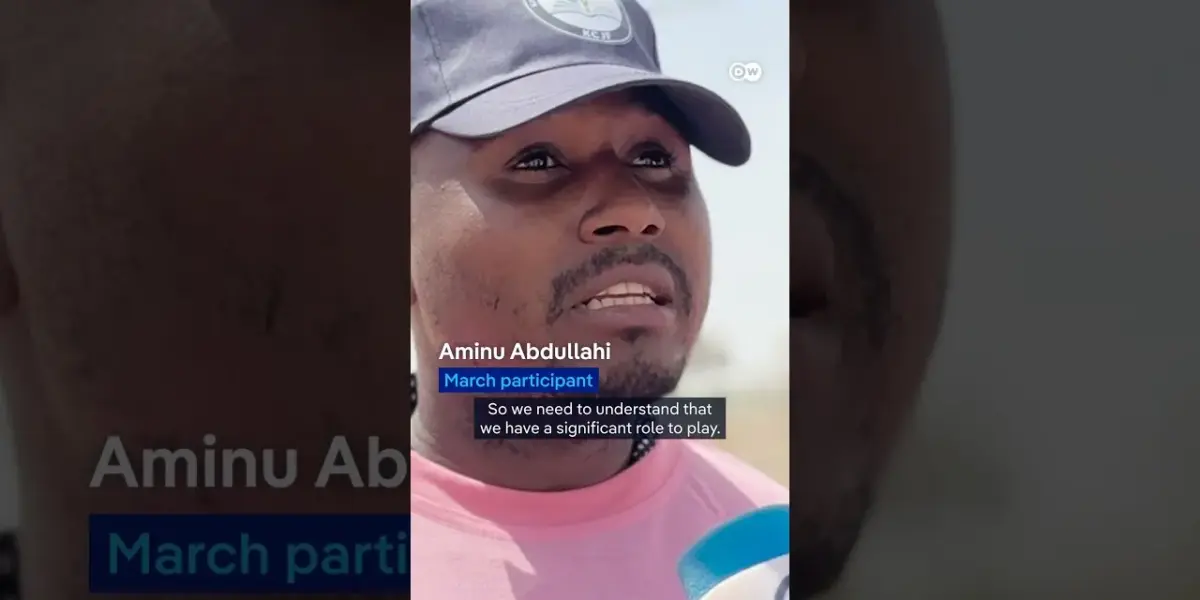
Journalists Launch Campaign to Normalize Menstruation
In a powerful initiative aimed at dismantling societal stigma and improving access to essential hygiene products, Nigerian journalists have launched a grassroots campaign to raise awareness for menstrual health. The movement, spearheaded by dedicated media professionals, seeks to reframe menstruation not as a taboo subject, but as a natural biological process deserving of open discussion and support. The campaign underscores the critical link between menstrual hygiene, dignity, and educational or economic participation, particularly for young women and girls across Nigeria.
Breaking the Silence: ‘My Period, My Dignity’
At the heart of the campaign is the resonant slogan, “My Period, My Dignity.” This phrase encapsulates the core message: that access to menstrual hygiene products and the freedom to manage one’s period with dignity are fundamental human rights. Journalists involved in the initiative are using their platforms to amplify this message, encouraging conversations that have long been suppressed by cultural norms and a lack of education.
“We get to understand that um it is not just our responsibility to tell people that we don’t have pads in school or kids don’t go to school because of pads. We can also help,” stated one of the participating journalists, highlighting the collective responsibility in addressing the issue. This sentiment reflects a growing recognition that the burden of menstrual health management should not fall solely on individuals experiencing menstruation, but requires broader societal engagement and support.
The Hygiene Imperative
The campaign places a strong emphasis on hygiene, with the assertive declaration, “Hygiene is essential.” This highlights the practical challenges faced by many, especially in underserved communities, where access to clean water, sanitation facilities, and affordable sanitary products is severely limited. Lack of proper menstrual hygiene management can lead to infections, health complications, and further social exclusion.
“Period is normal,” is another key message being broadcast, aiming to normalize conversations around menstruation in homes, schools, and public spaces. By normalizing the topic, the campaign seeks to reduce the shame and embarrassment often associated with menstruation, which can prevent individuals from seeking help or openly discussing their needs.
A Call for Collective Responsibility
The journalists involved are actively engaging communities, sharing personal stories, and advocating for policy changes. They emphasize that menstrual health is not just a women’s issue, but a societal one. “We all have sisters. We have daughters. We have wives. So we need to understand that we have a significant role to play,” a journalist articulated, underscoring the interconnectedness of menstrual health and the well-being of families and communities.
This inclusive approach aims to foster empathy and encourage men and boys to become allies in the fight against period poverty and stigma. By involving all members of society, the campaign seeks to create a more supportive environment where menstruation is understood, respected, and managed without shame or impediment.
Broader Implications and Future Outlook
The initiative by Nigerian journalists is part of a global movement to address menstrual health and hygiene (MHH). In many parts of the world, period poverty—the lack of access to menstrual products, education, hygiene facilities, and waste management—continues to be a significant barrier to education, economic opportunity, and overall well-being for millions of girls and women. This campaign in Nigeria is a crucial step towards achieving Sustainable Development Goal 6 (SDG 6), which calls for ensuring availability and sustainable management of water and sanitation for all, including specific needs for women and girls.
The journalists’ efforts are expected to spur greater public discourse, encourage corporate social responsibility initiatives, and influence governmental policies related to menstrual health. By leveraging the power of media and community engagement, this campaign holds the potential to create lasting change, ensuring that every Nigerian can manage their menstruation with dignity and without fear of stigma or lack of resources.
Moving forward, the success of this campaign will likely be measured by increased access to affordable menstrual products, improved menstrual health education in schools, and a tangible reduction in the stigma surrounding menstruation. The commitment of these journalists serves as a powerful reminder of the media’s role in driving social progress and advocating for the rights of marginalized communities.
Source: Nigerian journalists raise awareness for menstrual health | DW News (YouTube)

Related Articles

Nigeria’s ‘Kito’ Scam Targets LGBTQ+ People with Violence
Nigeria's LGBTQ+ community is facing a surge in violent 'Kito' scams, where victims are lured online, ambushed, beaten, and blackmailed. Rights groups report over 50 cases since December, highlighting the dangerous exploitation of anti-gay laws and societal homophobia. Survivors share harrowing accounts of physical and emotional trauma, living in constant fear.


Savannah Guthrie Returns to TODAY After Family Ordeal
Savannah Guthrie is set to return to the TODAY show on April 6th following a period of hardship after her mother's kidnapping. She has shared a heartfelt message to the abductor and spoken about her family's resilience. Guthrie plans to find joy as a form of protest upon her return.


Huw Edwards’ Boozy Lunches and Hidden Struggles Revealed
Journalist Andrew Billen shares accounts of boozy lunches with former BBC anchor Huw Edwards, revealing a troubled man behind the trusted public image. A new drama explores Edwards' downfall, highlighting his private struggles and the power dynamics involved.