Trump’s Iran Strategy: A ‘Vibe-Based’ Approach Amidst Escalation
The U.S. has escalated its conflict with Iran, bombing Karg Island and deploying thousands of troops, yet President Trump's strategy appears based on 'vibes' rather than concrete plans. Reports suggest the administration underestimated Iran's response, particularly concerning the Strait of Hormuz, leading to a reactive, 'on-the-fly' approach to managing the escalating crisis and its economic fallout.

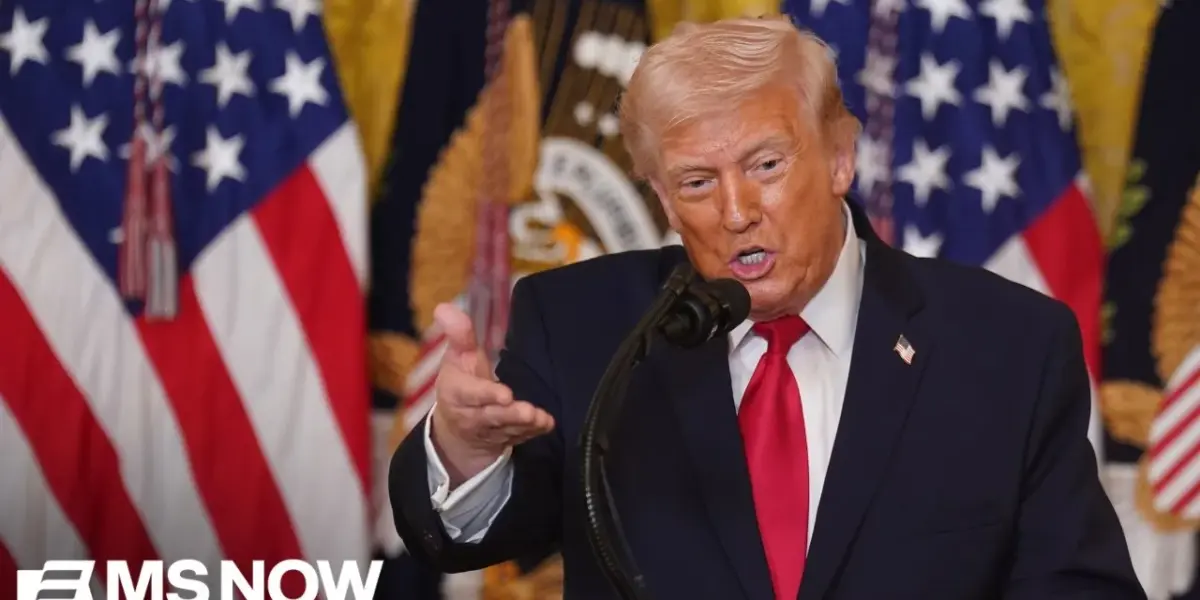
US Escalates Conflict with Iran, Faces Unforeseen Consequences
Baghdad, Iraq – Smoke billowed from the U.S. embassy in Baghdad this morning after a missile struck an embassy helipad, according to Iraqi security forces who spoke with the Associated Press. The incident follows a day after U.S. forces bombed targets on Iran’s Karg Island, a critical hub for the nation’s oil exports located 15 miles off the coast in the Persian Gulf. A U.S. official confirmed to MSNBC that the strikes deliberately avoided oil infrastructure, focusing instead on military targets.
In a significant military buildup, the U.S. military is preparing to deploy 5,000 troops and several additional ships to the Arabian Sea. This escalation comes just a day after a tragic refueling aircraft crash in western Iraq claimed the lives of six U.S. service members. Defense Secretary Pete Hegseth, addressing the incident nearly nine minutes into his press briefing, acknowledged the inherent chaos of war, stating, “War is hell, war is chaos and as we saw yesterday with the tragic crash of our KC-135 tanker, bad things can happen. American heroes, all of them.” The Pentagon has ruled out hostile fire or friendly fire as the cause of the crash. To date, at least 13 U.S. service members have been killed and 140 injured in the ongoing conflict.
Uncertain Objectives and Shifting Rhetoric
Amidst the escalating military actions, President Trump’s strategic objectives and the potential endgame in Iran remain unclear. Reports indicate that Trump informed G7 leaders during a virtual meeting on Wednesday that Iran was “about to surrender,” according to three officials briefed on the call. However, the President’s language regarding the conflict’s duration has recently shifted, relying on what he describes as “vibes.” When pressed on the war’s end, Trump stated, “I think you’ll see it’s going to be a short-term excursion… No, but soon. I think soon. Very soon.” He has also made contradictory statements about the war’s status, proclaiming, “We’ve won. Let me say it. We’ve won,” while simultaneously suggesting it is just beginning.
When asked how he would know when the conflict is over, President Trump responded, “When I feel it. Okay. I feel it in my bones.” This reliance on intuition over concrete strategic planning has drawn criticism and raised concerns among foreign policy experts.
Underestimation of Iranian Response
A significant point of contention is the apparent underestimation by the Trump administration of Iran’s potential response to U.S. military actions. Multiple sources familiar with the matter told CNN that the Pentagon and National Security Council significantly underestimated Iran’s willingness to disrupt the Strait of Hormuz. This oversight is particularly concerning given the Strait’s critical role in global oil transportation.
During a discussion with Tolu Olorunipa of The Atlantic and Terry Moran, former senior national correspondent for ABC News, the lack of a clear plan regarding the Strait of Hormuz was highlighted. “There seems to have been no plan on the Strait of Hormuz and a lot of other things,” Moran noted. Olorunipa added that while the administration pushed back against reports of underestimation, the subsequent actions, such as releasing sanctions on Russia and Venezuela to boost oil flow and the bombing of Karg Island, suggest a reactive, “on-the-fly” approach rather than long-term strategic planning. “It seems like they are making up a lot of this on the fly in reaction to the fact that gas prices are going up,” Olorunipa observed.
“The Trump White House is him and whoever he’s on the phone with at any given time. And so that leaves him in a bad situation. He, I think, fell prey to hubris.”
– Terry Moran, Former Senior National Correspondent, ABC News
Lack of Process and Presidential Detachment
Critics point to a broader issue within the administration: a lack of established foreign policy processes. Unlike previous administrations, which would have involved extensive intelligence analysis through the National Security Council system, the current approach appears centered solely on President Trump and his immediate confidants. “The Trump White House is him and whoever he’s on the phone with at any given time,” explained Terry Moran. “And so that leaves him in a bad situation. He, I think, fell prey to hubris.”
Further compounding concerns is President Trump’s apparent detachment from certain events, notably the bombing of a school in Iran. When questioned about the incident, which reports indicate was carried out by the U.S. military, Trump stated, “I just don’t know enough about it.” He added that the matter was under investigation and he would accept the findings. This response drew sharp criticism, with commentators questioning a president’s ability to remain uninformed about such a significant event, especially one involving civilian casualties.
Tolu Olorunipa suggested this detachment stems from a desire to maintain a narrative of a perfectly executed war. “He doesn’t want to talk about things that do not make it sound like this war is going perfectly the way he’s described it and he wants to move away from those questions,” Olorunipa stated. “He only wants to see, you know, his military operating in this triumphant way and bringing its opponents to heel. But war is more complicated than that.” Moran echoed this sentiment, emphasizing the importance of presidential accountability, particularly during wartime: “We count on presidents, especially during wartime, to hold up the highest level of our character, our national character.”
Looking Ahead: A Protracted Conflict?
The current trajectory suggests a potentially protracted and unpredictable conflict. The bombing of Karg Island, an action with profound economic implications for Iran, could provoke severe retaliatory measures against vital infrastructure in the Persian Gulf, threatening regional stability. As the U.S. grapples with its initial strategic miscalculations and the President continues to rely on a “vibes-based” approach, the long-term consequences for regional security and the American economy remain a significant concern. The coming weeks will be critical in determining whether this “short-term excursion” escalates into a deeper quagmire, and whether a cohesive strategy emerges from the current reactive posture.
Source: Trump pushes ‘on the fly’ plan for Iran: Why he's basing decisions off ‘vibes’ (YouTube)

Related Articles

G7 Allies Clash Over Iran War Strategy, Urge Focus on Russia
G7 foreign ministers met in Paris, revealing deep divisions over the U.S. war with Iran. European allies urged the U.S. to pressure Russia, linking its actions to the conflict and fearing support for Ukraine will wane.

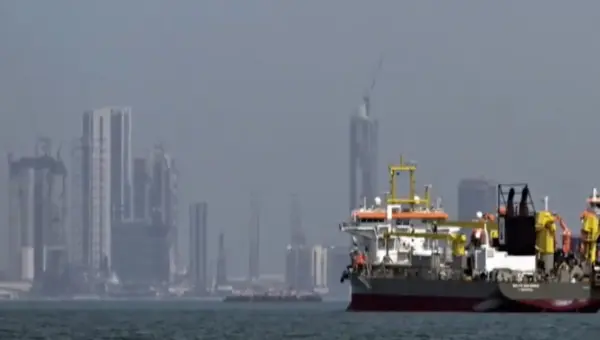
Iran Blocks China Ships, Exposing Beijing’s Weak Grip
Iran's recent decision to block Chinese ships at the Strait of Hormuz is exposing the limits of Beijing's influence in the Middle East. This action is causing delays and cancellations for Chinese manufacturers, turning a perceived geopolitical win into an economic strain.
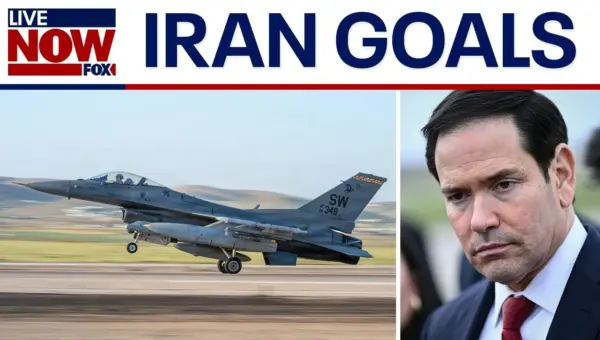
Rubio: US Can Achieve Iran War Goals Without Troops
Senator Marco Rubio outlined a strategy to counter Iran without deploying U.S. ground troops, focusing on weakening the regime and enhancing maritime security. He also criticized Cuba's economic system and expressed concerns about West Bank violence.