Global Alliances Fracture as Trump’s Iran War Isolates U.S.
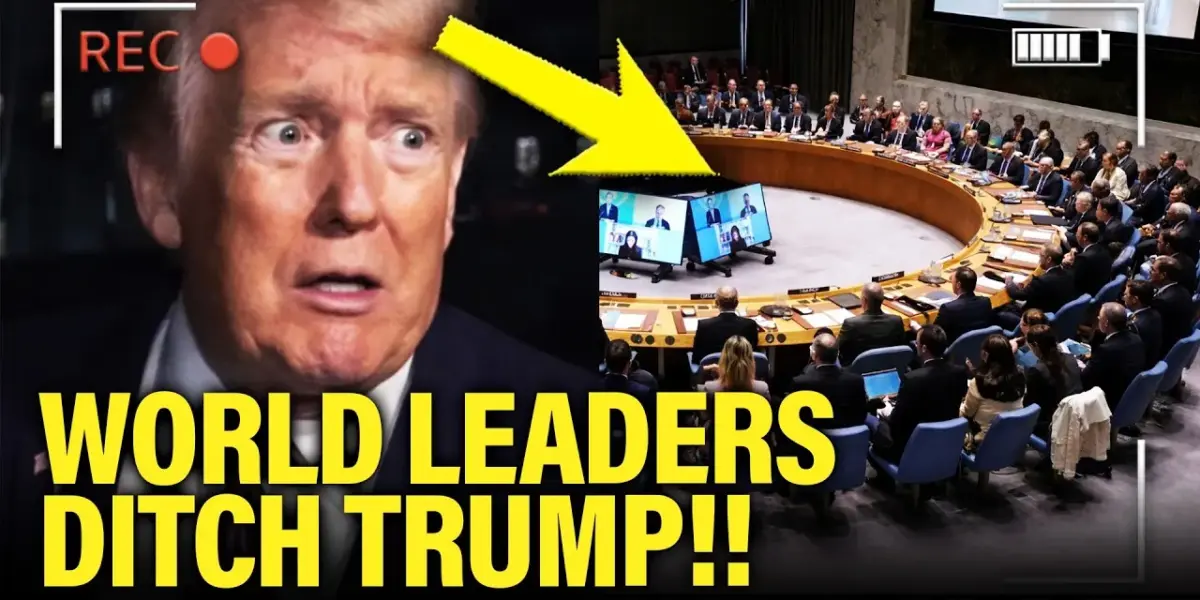
Global alliances are fracturing as world leaders express dissent over Donald Trump's Iran war. Traditional U.S. allies are distancing themselves, citing concerns over security guarantees and diverging strategic interests, leading to a palpable sense of global instability.

Global Alliances Fracture as Trump’s Iran War Isolates U.S.
The international landscape appears to be in a state of significant flux, with a growing chorus of world leaders expressing dissent and distancing themselves from Donald Trump’s recent actions concerning Iran. What is being described as an “unlawful and disastrous war” is not only escalating in the Middle East but also creating unprecedented rifts with traditional U.S. allies, leading to a palpable sense of global instability and a reordering of international power dynamics.
Divergent Views on Sanctions and Security
Key figures from allied nations have publicly voiced their disagreements with U.S. policy, particularly regarding sanctions and security commitments. German Chancellor Friedrich Merz, speaking alongside Canadian Prime Minister Carney, expressed surprise and disapproval at the U.S. decision to lift sanctions on Russia, a move that ran counter to the G7 consensus. “Six out of seven were clearly of the opinion that we should not release the… sanctions against Russia,” Merz stated, highlighting a significant divergence in strategic thinking. “This is definitely not our view. We are… sharing the six out of seven that this should not be the case. Because Russia is benefiting from that and we are seeing this into the right different direction.”
This sentiment is echoed by Prime Minister Carney, who reinforced Canada’s commitment to maintaining sanctions on Russia, including those targeting the “shadow fleet” involved in oil transport. He emphasized the “tight cooperation between Russia and Iran at great cost to the people of Ukraine and a great threat to peace and security in Europe.”
Erosion of Trust and Shifting Alliances in Asia
The implications of U.S. policy shifts are also being felt keenly in Asia. The redeployment of approximately 5,000 Marines and sailors from Japan to the Middle East, a move expected to take weeks, has raised alarms. This redeployment comes at a time when U.S. military assets, including THAAD and Patriot missile systems, are being withdrawn from South Korea. This action has been met with dismay, especially considering South Korea’s significant efforts to improve relations with the U.S. and its subsequent damage to ties with China.
The transcript notes that South Korea “torpedoed their relationship with China over the deployment of American THAAD and Patriot systems. And now the US just took it away without any notice. Just ripped it apart.” This perceived betrayal has emboldened North Korea, with Kim Jong-un reportedly conducting missile tests on the same day THAAD systems were removed, sending a clear message of vulnerability to South Korea.
Japan’s response has been equally resolute. Prime Minister Takiishi has made it clear that Japan will not deploy its self-defense forces to assist the U.S. in the Strait of Hormuz, stating, “Stay away from us. We ain’t helping you at all. Goodbye and good luck.” This stance reflects a broader concern within Japan, as articulated by Member of Parliament Io Nakamishi, who questioned the direction Japan should take amidst global confusion and suggested that “originally a much more thorough deliberation was necessary.” The Iranian embassy in Japan even responded by expressing gratitude for these words, framing them as solidarity with humanity against “lawlessness of aggressors.”
European Concerns and Bilateral Approaches
Across the Atlantic, European leaders are grappling with the consequences of U.S. actions. Beyond the sanctions issue, there are concerns about the reliability of U.S. security guarantees. The European Union’s Vice President and foreign policy chief, Josep Borrell (referenced as Kaya Kalas in the transcript, likely a misstatement), has reportedly accused the U.S. of attempting to weaken the EU, stating that Washington’s goal is to “divide and destroy the European Union.”
The situation in the Middle East has prompted some European nations to consider a more independent approach. French President Emmanuel Macron and Italy’s Defense Minister have indicated a willingness to engage in bilateral negotiations with Iran, citing the U.S. as a less reliable partner for security. German Chancellor Merz further elaborated on the concerns regarding Iran’s actions, stating, “With every day this war lasts, more questions are coming up… And one thing becomes increasingly clear. We need a convincing plan on how this war can come to an end. Meanwhile, we are witnessing a dangerous escalation.” He also highlighted that Iran’s actions have severe implications for Germany and other nations, underscoring the need for a “good outlook for a peace order.”
Brazil’s Strategic Realignment and Global Instability
Even nations in the Global South are reassessing their positions. Brazilian President Lula da Silva emphasized his country’s peaceful nature and reliance on drones for agriculture and science, not war. However, he also stressed the need for defense preparedness, implying a concern about potential U.S. aggression. “If we don’t prepare for defense, we’ll be invaded,” the transcript suggests, indicating a perception of the U.S. as an “invading, predatorial force.” This sentiment is juxtaposed with Trump’s continued criticism of Mexican President Claudia Sheinbaum, further alienating potential partners.
Ukraine’s Offer and U.S. Rejection
In a striking turn of events, Ukrainian President Volodymyr Zelensky, despite his own ongoing conflict with Russia, has offered Ukraine’s expertise in countering Iranian-supplied drones. “Ukraine can contribute to stabilization,” Zelensky stated, noting that “Ukraine has the greatest expertise in the world in countering the Shahids.” However, this offer was reportedly met with a public dismissal from Donald Trump, who stated, “We don’t need your help.” This rejection, even as the U.S. military is reportedly seeking such assistance, highlights a potential disconnect between political rhetoric and operational needs.
Escalating Regional Tensions and China’s Position
The conflict’s ripple effects are evident in escalating regional tensions. Reports indicate Iranian threats against U.S. tech firms in the Persian Gulf and strikes on U.S. military assets, including refueling planes in Saudi Arabia. The potential for a full-scale Israeli ground invasion of Lebanon adds another layer of volatility. Meanwhile, China has adopted a more cautious stance, abstaining from a UN resolution condemning Iran and offering humanitarian aid to Iran following an alleged U.S. strike on an elementary school. This positions China as a potential beneficiary of U.S. diplomatic isolation.
Why This Matters
The current geopolitical climate, characterized by a fracturing of traditional alliances and a perceived shift in U.S. foreign policy under Donald Trump, carries significant implications. The erosion of trust among allies could lead to a less stable international order, where regional powers are forced to pursue more independent security strategies. The potential for miscalculation and escalation in the Middle East is heightened when diplomatic channels are strained and multilateral cooperation falters. Furthermore, the economic consequences of disrupted trade routes, such as in the Strait of Hormuz, could have far-reaching global impacts.
Implications, Trends, and Future Outlook
The trend suggests a move towards a multipolar world where alliances are less predictable and national interests are prioritized more overtly. The U.S.’s role as a global security guarantor appears to be under scrutiny, prompting allies to reconsider their own defense postures and partnerships. The growing influence of countries like China, which are positioning themselves as alternative partners, could reshape global economic and political alignments. The future outlook points towards increased regional autonomy, potential power vacuums, and a more complex and potentially volatile international environment.
Historical Context and Background
Historically, periods of significant global upheaval have often been preceded by shifts in major power dynamics and a questioning of established alliances. The post-World War II era saw the U.S. emerge as a leader of a Western alliance system built on mutual defense and economic cooperation. However, the current climate echoes earlier periods where nations sought to assert greater independence in response to perceived overreach or unreliability from dominant powers. The current situation is unfolding against a backdrop of complex regional rivalries and the resurgence of great power competition, making the current diplomatic challenges particularly acute.
Source: All HELL BREAKS LOOSE as World Leaders DITCH Trump OVER WAR!!! (YouTube)

Related Articles


US Cardinal’s Papal Upset Redraws Vatican Influence
Pope Francis's election defied expectations, including his own, as an American cardinal believed an "American" Pope was unthinkable. The swift conclave surprised many, highlighting the unpredictable nature of papal selections and signaling a potential shift in the Church's global direction.
MN AG Blasts Trump’s ‘Wicked’ Insults Amid ‘No Kings’ Protests
Thousands protested President Trump's policies nationwide, with Minnesota AG Keith Ellison condemning his "wicked" and "corrupt" nature. Ellison also discussed a state lawsuit against the federal government over withheld evidence in officer-involved shootings.

Trump’s War Strategy Faces Skepticism Amidst Shifting Goals
President Trump's strategy in the ongoing Middle East conflict is facing increasing skepticism, even from his own base. While military actions have seen success, strategic goals are unclear and diverging from allies like Israel. The prolonged war and shifting public perception are creating a sense of uncertainty and doubt.