Iran Oil Exports Hit: 90% Targeted in Escalation
U.S. strikes on Kark Island, Iran's primary oil export hub, threaten a 90% disruption to exports and could trigger a "war on oil infrastructure." Analysts warn of oil prices potentially surging above $200 per barrel amid heightened geopolitical tensions and U.S. military deployments.


Iran Oil Exports Disrupted as US Strikes Kark Island
The geopolitical landscape has dramatically shifted as the United States launched strikes on Kark Island, a critical hub responsible for approximately 90% of Iran’s oil exports. This development marks a significant escalation in the ongoing conflict, directly impacting the heart of Iran’s energy economy.
Kark Island: The Lifeline of Iran’s Oil Exports
Kark Island, a strategically vital location, facilitates the daily export of roughly 1.5 million barrels of oil from Iran. A substantial portion of this crude oil is destined for China, underscoring the global implications of any disruption to this supply route. While U.S. officials state that only military facilities on the island have been targeted thus far, the proximity of these strikes to the island’s oil infrastructure has raised serious concerns.
Escalation Fears and Potential Retaliation
The war has now moved directly to the epicenter of Iran’s oil operations, a move that carries immense risk. Iran has previously issued stern warnings, asserting that any attack on its oil infrastructure would trigger retaliatory measures against American-linked oil facilities across the Middle East. This threat raises the specter of a widespread conflict targeting energy infrastructure, a scenario that could have profound consequences for global energy markets.
Iran has warned that prices could rise above $200 per barrel if its oil infrastructure is attacked.
Oil Price Surge Potential
The possibility of a “war on oil infrastructure” has sent shockwaves through financial markets. Analysts are closely watching the situation, with projections suggesting that a significant disruption could send oil prices soaring. Iran itself has indicated that prices could breach the $200 per barrel mark in such an event, a level not seen in recent history.
U.S. Military Buildup and Ground Operations Risk
Adding to the tension, the United States is reportedly deploying thousands of Marines to the region. This military buildup heightens the possibility of further escalation, including the potential for U.S. ground troops to be deployed, possibly even to Kark Island itself. Such a move would represent a direct engagement and could significantly widen the scope of the conflict.
Market Reaction Awaits Monday Open
The news of the strikes broke over the weekend, meaning the full market reaction will likely become apparent when oil trading resumes on Monday. Investors and traders are bracing for potential volatility as the implications of this major escalation are digested. The event carries the risk of becoming the most significant escalation in the conflict to date, with far-reaching consequences for oil prices and the broader global economy.
Market Impact: What Investors Should Know
The strikes on Kark Island represent a critical inflection point in the ongoing geopolitical tensions. For investors, the key takeaways are:
- Oil Supply Disruption: With 90% of Iran’s oil exports passing through Kark Island, any sustained disruption poses a significant threat to global oil supply.
- Price Volatility: The threat of retaliation and a potential “war on oil infrastructure” creates a high risk of dramatic oil price increases. Levels exceeding $200 per barrel are being discussed.
- Geopolitical Risk Premium: Markets are likely to price in a higher geopolitical risk premium, affecting not only oil but also other commodities and equity markets sensitive to energy costs.
- Global Economic Impact: A sharp rise in oil prices could fuel inflation, dampen consumer spending, and negatively impact global economic growth, particularly for energy-importing nations.
- Strategic Importance to China: The significant flow of Iranian oil to China means that any disruption has direct implications for the world’s second-largest economy.
The coming days and weeks will be crucial in determining the trajectory of this situation. Investors will be closely monitoring diplomatic efforts, the extent of actual damage to oil infrastructure, and any further military movements or retaliatory actions. The potential for a prolonged period of uncertainty and heightened volatility in energy markets is substantial.
Source: Just Got Worse (YouTube)

Related Articles

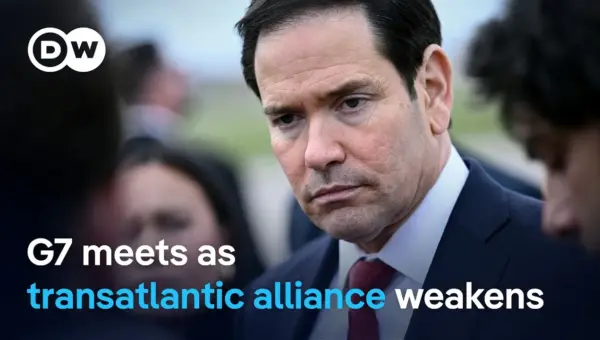
G7 Allies Clash Over Iran War Strategy, Urge Focus on Russia
G7 foreign ministers met in Paris, revealing deep divisions over the U.S. war with Iran. European allies urged the U.S. to pressure Russia, linking its actions to the conflict and fearing support for Ukraine will wane.
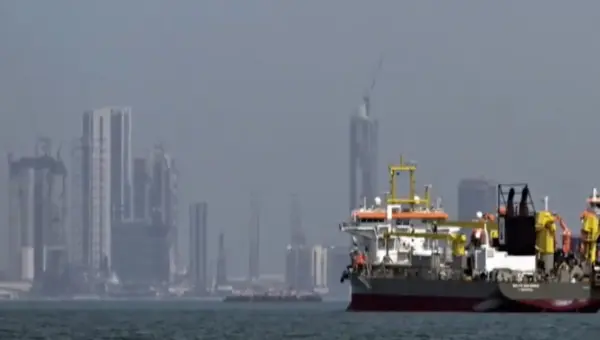
Iran Blocks China Ships, Exposing Beijing’s Weak Grip
Iran's recent decision to block Chinese ships at the Strait of Hormuz is exposing the limits of Beijing's influence in the Middle East. This action is causing delays and cancellations for Chinese manufacturers, turning a perceived geopolitical win into an economic strain.
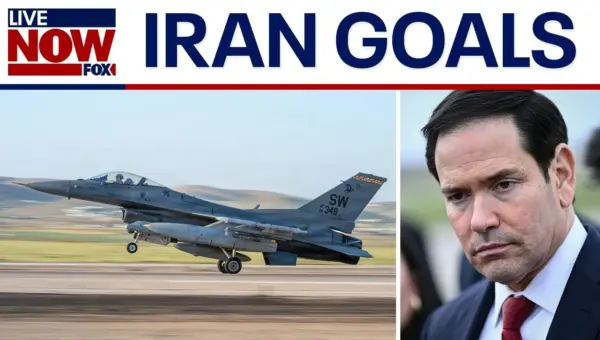
Rubio: US Can Achieve Iran War Goals Without Troops
Senator Marco Rubio outlined a strategy to counter Iran without deploying U.S. ground troops, focusing on weakening the regime and enhancing maritime security. He also criticized Cuba's economic system and expressed concerns about West Bank violence.