Middle East War Disrupts India’s Kitchens, Fuels Gas Shortages
Middle East conflict triggers severe cooking gas shortages in New Delhi, leaving residents struggling to secure LPG cylinders and forcing businesses to close or adapt. The crisis highlights India's reliance on imports and the government's efforts to prioritize household supply.

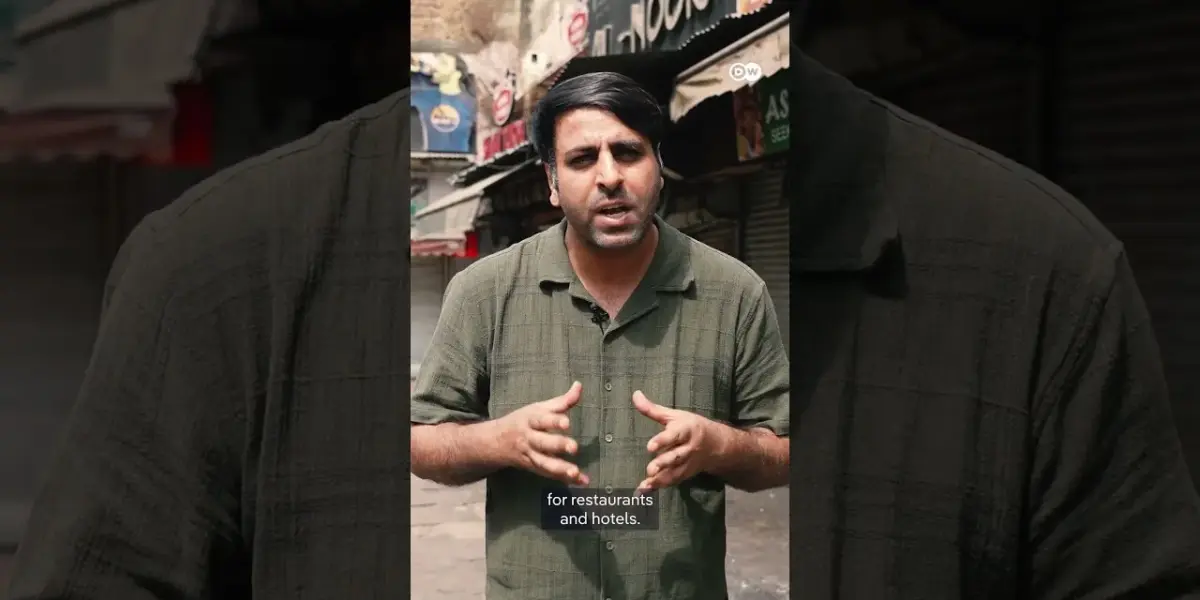
Gas Shortages Grip New Delhi Amid Middle East Conflict
NEW DELHI – The escalating conflict in the Middle East is now directly impacting the kitchens of ordinary Indians, as widespread cooking gas shortages trigger long queues and mounting frustration across the capital city. Residents in parts of New Delhi are grappling with a severe scarcity of Liquefied Petroleum Gas (LPG) cylinders, forcing many to resort to buying bread from markets or relying on alternative, less convenient cooking methods. The crisis, stemming from disruptions to vital shipping routes, highlights the vulnerability of India’s energy imports to geopolitical instability.
Daily Struggles for Essential Fuel
For daily wage earners like Faris, an LPG cylinder is not a luxury but a lifeline. “This is our third day here,” he told DW News, referring to the long wait at a gas depot. “For a cylinder, we are begging like fools. We need it to make rotis at home.” Another resident echoed the sentiment, “I haven’t been able to cook anything. By Allah’s grace, we are eating rotis bought from the market. What else can we do? Today is Ramadan, and I’m fasting with just water.” The desperation is palpable, with reports of vehicles arriving at depots with full loads of cylinders only to leave without them being distributed, fueling accusations of mismanagement and hoarding.
“They are openly cheating here. They are selling all the cylinders. I have been suffering for eight days.”
– A frustrated resident in New Delhi
India’s Reliance on Imported Gas
India is the world’s second-largest importer of LPG, with approximately 60% of its domestic supply being imported. A significant portion of these imports typically travels through the Strait of Hormuz, a critical chokepoint in the Persian Gulf. The current conflict in the Middle East has severely disrupted commercial shipping in the region, leading to longer transit times and increased costs. This has created a ripple effect, impacting the availability of cooking gas for households.
Government Prioritizes Households, Impacts Businesses
In response to the crisis, the Indian government has stated its commitment to prioritizing the supply of LPG to ordinary households, aiming to shield them from the immediate impact of the Middle East war. However, this decision has inadvertently created a sharp supply crunch for restaurants and hotels. Aslam Qureshi, owner of a restaurant in Old Delhi, is already feeling the pinch. “More than half of the restaurants in the market have already closed down,” he lamented. “Those who have space on their rooftops have installed wood-fired stoves. We are cooking like it’s the stone age.” Qureshi also expressed concern for the thousands of families who rely on such businesses for their livelihood, warning that widespread closures could lead to significant unemployment among migrant workers.
Parliamentary Debate and Diplomatic Efforts
The severity of the gas shortage has reached the Indian Parliament, prompting discussions and assurances from the government. Union Minister for Petroleum and Natural Gas, Hardeep Singh Puri, addressed the concerns, stating, “The Indian consumer’s interest has been and will always be the overriding priority. Where required, Indian diplomacy has supported the endeavors of our energy enterprises in this volatile situation.” This suggests that the government is actively engaged in diplomatic channels to secure energy supplies and mitigate the impact of the ongoing geopolitical tensions on the domestic market.
Uncertainty Looms for Consumers
As the wait for gas cylinders continues, many families face an uncertain future regarding their next meal. After another unsuccessful attempt to secure a cylinder, Faris heads to the next depot, hoping for a change in luck. The current situation underscores the complex interplay between global events and the daily lives of citizens, leaving many to wonder how they will manage to cook their next meal amidst the ongoing crisis.
What to Watch Next
Attention will now turn to the effectiveness of the government’s diplomatic efforts in securing stable LPG supplies and the potential impact of these shortages on India’s hospitality sector. The coming weeks will be crucial in determining whether the government can alleviate the pressure on consumers and businesses, and how the ongoing Middle East conflict will continue to shape India’s energy security landscape.
Source: Iran war hits India's kitchens | DW News (YouTube)

Related Articles


Israelis Forge Resilience Amidst Constant Bomb Shelter Drills
Life in Israel is a blend of resilience and constant vigilance, with many families adapting to frequent bomb shelter drills and even sleeping in makeshift shelters. Despite ongoing missile attacks, Israelis strive to maintain normalcy, though businesses face disruption and emotional fatigue is a growing concern.

Iran War Exodus: Refugees Flee to Turkey Amidst Bombings
A train from Tehran brings refugees to Turkey, fleeing daily bombings and economic collapse. Many express deep fear for loved ones left behind, while some hold onto national pride and hope for victory. The conflict's impact is also felt economically in Turkey, with rising gas prices.


Israel Escalates Iran Strikes, Warns of Wider War
Israel has launched significant strikes inside Iran following continued missile fire, warning of further escalation. The conflict risks wider regional instability and economic disruption, especially concerning the Strait of Hormuz.