Trump’s War Rhetoric Fuels Global Instability and Economic Fears
Donald Trump's aggressive rhetoric and social media pronouncements surrounding escalating Middle East conflicts are drawing criticism for potentially fueling global instability and masking economic vulnerabilities. As allies pursue independent deals with Iran and Russia benefits from rising oil prices, the geopolitical landscape appears increasingly fractured and precarious.

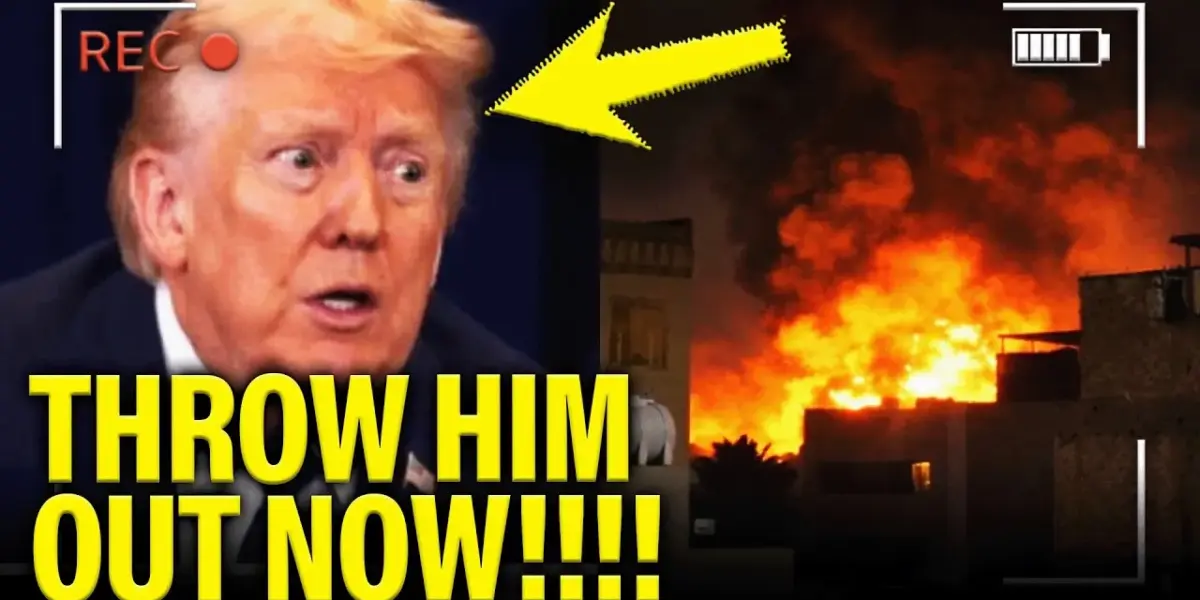
Trump’s War Rhetoric Fuels Global Instability and Economic Fears
The escalating conflict in the Middle East, coupled with Donald Trump’s assertive and often inflammatory social media pronouncements, has created a volatile geopolitical and economic landscape. While Trump projects an image of strength and decisive action, critics argue his approach exacerbates tensions, alienates allies, and masks underlying weaknesses in U.S. foreign policy and economic stability. The situation is further complicated by shifting global alliances and a resurgent Russia, painting a picture of a world teetering on the edge of widespread instability.
A Military Escalation and Economic Tremors
Recent events have seen a significant U.S. military buildup in the region, with the deployment of 5,000 additional Marines and sailors. This deployment is often seen as a precursor to potential ground operations. Simultaneously, financial institutions like Bank of America are issuing stark warnings, drawing parallels between the current market conditions and the lead-up to the 2008 global financial crisis. This confluence of military posturing and economic anxiety creates a palpable sense of unease.
Amidst this backdrop, Donald Trump has taken to social media with a barrage of posts, often employing memes and aggressive rhetoric. These posts have included comparisons of former President Barack Obama with Iran’s Ayatollah and military generals, as well as depictions of himself as a decisive leader bombing Iran. This communication style, characterized by boasts of unparalleled military power and claims of Iran’s plans being “dead,” has been met with skepticism by many observers.
Trump’s claims, such as “The war will end when I feel it in my bones,” are contrasted with Iran’s continued actions, including ballistic missile and drone strikes against U.S. military assets and interests in the Middle East, and its ongoing control of the Strait of Hormuz. The Iranian foreign minister has openly mocked Trump, suggesting that after months of pressuring India to end oil imports from Russia, the U.S. is now “begging the entire world” to buy Russian crude, highlighting a perceived hypocrisy and strategic miscalculation.
Allies Divided, Allies Fleeing?
A critical point of contention is the perceived fracturing of U.S. alliances. The transcript suggests that former allies in the Middle East are increasingly engaging in bilateral negotiations with Iran, particularly concerning the safe passage of ships through the Strait of Hormuz. Countries like India, Italy, and France are reportedly seeking direct agreements with Iran, indicating a loss of confidence in U.S. leadership and a desire for independent solutions to secure their economic interests.
This shift is attributed by some to a perception of U.S. weakness, despite Trump’s strong rhetoric. The argument is that Trump’s pronouncements, such as claiming to have “totally obliterated every military target in Iran’s crown jewel, the Carg Island,” are not borne out by the reality on the ground. Control of critical shipping lanes remains contested, and Iran continues to launch strikes, including targeting U.S. facilities in Bahrain, such as the headquarters of the U.S. Navy’s Fifth Fleet.
The Economic Fallout: Russia’s Gain, America’s Pain
The ongoing conflict and shifting energy policies appear to be benefiting Russia significantly. While the U.S. has sought to isolate Russia, the current global energy market dynamics suggest otherwise. The transcript points to Russia making substantial profits, estimated at $150 million per day according to a Financial Times article, as global oil prices surge. The U.S. policy of allowing countries to buy Russian crude, ostensibly to stabilize global supply, is seen by some as counterproductive, failing to lower gas prices at home while enriching Russia.
The rising cost of crude oil has a direct impact on American consumers, evident at the gas pump. This economic pressure is compounded by broader inflation concerns. The Department of Labor’s optimistic posts about rising wages and falling prices are juxtaposed with reports of surging inflation and GDP figures that, while showing growth, are accompanied by rising energy costs. This economic dichotomy suggests that while some sectors may be performing, the average American is facing increased financial strain.
A Wider War and Existential Threats
The conflict is not confined to Iran. Reports indicate Israel is contemplating a full ground invasion of Lebanon, with extensive bombing campaigns in Beirut’s suburbs causing widespread destruction. Hezbollah’s readiness for a prolonged war further suggests an expanding regional conflagration. Meanwhile, Ukraine, a key U.S. ally, which has provided critical anti-drone technology, is reportedly being mocked by Trump, highlighting a potential disconnect in strategic priorities and alliances.
Beyond military and economic implications, the conflict carries existential threats. An analysis from within the Trump administration’s orbit warns of catastrophic scenarios if escalation continues. Targeting Iran’s oil and gas infrastructure could lead to retaliatory strikes against Gulf States, crippling oil production. Even more alarming is the potential for attacks on desalination plants, which are vital for water supply across the Arabian Peninsula. Such actions could render the region uninhabitable for millions, leading to immense humanitarian and economic devastation.
Leadership in Crisis
The transcript sharply contrasts Trump’s social media engagement with what is presented as genuine leadership. While Trump is depicted as preoccupied with personal attacks, memes, and declarative statements about military might, critics point to the human cost of the conflict. The death of 13 U.S. service members, with hundreds more injured, including those with traumatic brain injuries, stands in stark contrast to the White House’s perceived portrayal of the war as a video game. This is seen by some as a sign of “moral rot” within the administration.
The situation is further muddied by conflicting narratives on domestic policy. While some, like Senator J.D. Vance, attribute current gas prices to Donald Trump’s past actions aimed at lowering them, others, including Trump himself, claim his policies led to “energy dominance” and that current high prices are a result of the Biden administration’s failures. This political back-and-forth over economic responsibility adds another layer of complexity to an already fraught situation.
Why This Matters
The events described highlight a critical juncture in international relations, where aggressive rhetoric, shifting alliances, and economic vulnerabilities intersect. The perception of U.S. leadership, the stability of global energy markets, and the very security of regions vital to the world economy are at stake. The potential for miscalculation and unintended escalation, leading to humanitarian disasters and widespread economic collapse, demands careful consideration of diplomatic solutions over purely militaristic approaches. The way leaders communicate and act during times of crisis has profound implications not only for national security but for global economic well-being and human lives.
Implications, Trends, and Future Outlook
The current geopolitical climate suggests a trend towards multipolar diplomacy, where traditional alliances are being tested. Countries are increasingly prioritizing their national interests, leading to more bilateral agreements. The economic implications are significant, with rising energy prices potentially fueling inflation globally and benefiting geopolitical rivals like Russia. The future outlook points to continued volatility, with the potential for regional conflicts to escalate and spill over, impacting global trade, security, and humanitarian conditions. The reliance on fossil fuels and the vulnerability of critical infrastructure like desalination plants present long-term challenges that require sustainable solutions beyond immediate military responses.
Historical Context and Background
The current tensions in the Middle East are rooted in decades of complex geopolitical dynamics, including historical U.S. involvement in the region, the rise of non-state actors, and the ongoing competition for influence among global powers. The Strait of Hormuz, a crucial chokepoint for global oil supply, has been a focal point of regional tensions for years. The pattern of Iran’s response to perceived threats, often involving asymmetric warfare and targeting of economic infrastructure, is a recurring theme. Similarly, the cyclical nature of U.S. foreign policy, oscillating between interventionism and retrenchment, influences regional stability and the perception of American commitment by allies and adversaries alike.
Source: Trump PANICS as War BLOWS UP in HIS FACE!!! (YouTube)

Related Articles

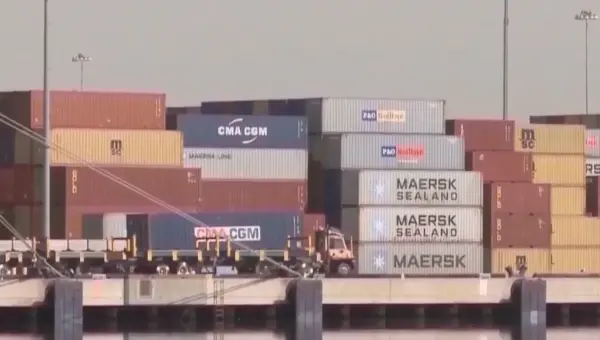
China Fights Back: Tariffs Loom Ahead of Trump Visit
China is retaliating against US trade investigations that could lead to higher tariffs. This escalating trade tension occurs just before a planned visit by President Trump. The dispute involves accusations of unfair practices and impacts global supply chains.


Israelis Forge Resilience Amidst Constant Bomb Shelter Drills
Life in Israel is a blend of resilience and constant vigilance, with many families adapting to frequent bomb shelter drills and even sleeping in makeshift shelters. Despite ongoing missile attacks, Israelis strive to maintain normalcy, though businesses face disruption and emotional fatigue is a growing concern.
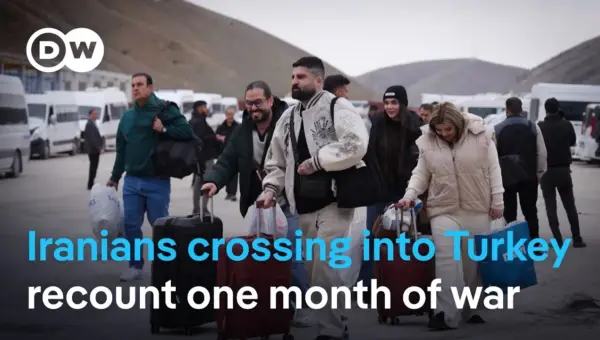
Iran War Exodus: Refugees Flee to Turkey Amidst Bombings
A train from Tehran brings refugees to Turkey, fleeing daily bombings and economic collapse. Many express deep fear for loved ones left behind, while some hold onto national pride and hope for victory. The conflict's impact is also felt economically in Turkey, with rising gas prices.