Iran’s Regional Isolation Grows Amidst Escalating Attacks
Iran's retaliatory strikes against its Gulf neighbors have severely damaged diplomatic ties and economic stability, pushing the region toward greater conflict. This marks a departure from previous pragmatic efforts at normalization, leaving regional partners questioning trust and stability.

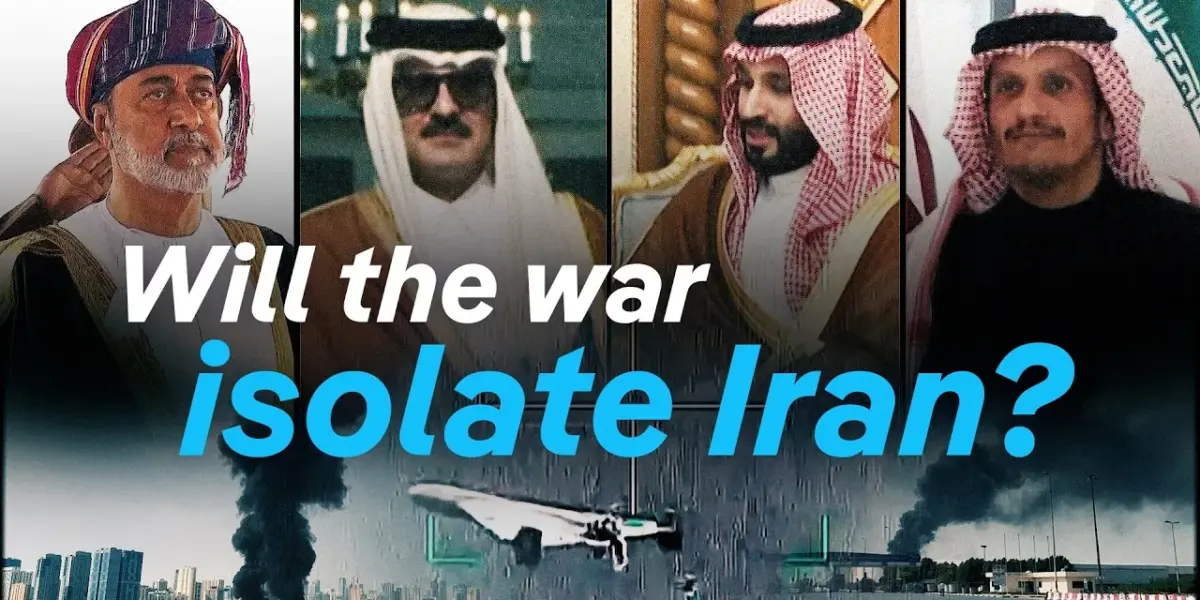
Iran’s Regional Strategy Backfires, Sparking Diplomatic Fallout
In the wake of joint Israeli-US attacks, Iran’s retaliatory strikes against its Gulf neighbors have significantly damaged its diplomatic standing and economic stability, pushing the region closer to a wider conflict. The repercussions of these actions were starkly articulated by the Qatari prime minister, who described a profound erosion of trust in relations with Iran following the recent escalation.
“What happened is really a huge shakeup for the trust in the relationship that we have with Iran,” the prime minister stated in an exclusive interview. The strikes not only inflicted direct damage but also dramatically increased the economic and political costs of the ongoing conflict. What began as a confrontation primarily involving Iran, Israel, and the US has now directly entangled over a dozen nations, impacting global oil and gas prices and destabilizing regional dynamics.
A Shift from Pragmatism to Provocation
This confrontational approach marks a significant departure from Iran’s recent efforts to normalize relations with Gulf Cooperation Council (GCC) countries. Just a few years ago, agreements were being forged, driven by a pragmatic need for stability. For instance, the Houthi rebel group, an Iranian proxy in Yemen, had been launching attacks on Saudi Arabia and the UAE. These actions prompted a strategic pivot from Riyadh and Abu Dhabi, who initially sought diplomatic engagement with Tehran to de-escalate the situation.
Researcher Sarah Bazabandi, an expert on Iran-GCC relations, explained that some Gulf states opted for engagement not out of shared interests, but from a place of “cautious pragmatism.” Unwritten understandings, such as a mutual agreement between the UAE and Iran to avoid harming each other, and the restoration of diplomatic ties between Saudi Arabia and Iran, had created a fragile but functional security understanding. “They were not cooperating in any sense, but they just had some sort of understanding that they wouldn’t have each other,” Bazabandi noted.
This period of relative détente was crucial for Iran’s economic recovery under sanctions and for the Gulf states’ ambitious diversification projects. Stability was paramount for their vision of becoming vibrant hubs for commerce, tourism, and technology. All these aspirations are now under severe threat.
GCC Nations Targeted, Enduring Iranian Strikes
The recent Iranian attacks have been widespread, hitting targets across the region. Jordan’s air defense intercepted Iranian drones heading towards Amman, while Bahraini forces downed a drone targeting its maritime infrastructure. Saudi Arabia’s Patriot batteries neutralized ballistic missiles aimed at energy facilities, and the UAE successfully neutralized multiple drones targeting its industrial zones. Qatar’s air force, for the first time, shot down two Iranian bombers en route to its territory.
These attacks, even on countries with existing relations with Iran like Saudi Arabia and the UAE, underscore a broader strategic message. Both nations host significant US military bases – Saudi Arabia’s Prince Sultan Air Base and the UAE’s Al Dhafra Air Base – which appear to have made them targets, regardless of whether these facilities were used in direct operations against Iran. Despite assurances from countries like the UAE that their airspace and bases would not be used to attack Iran, the nation’s retaliatory strikes extended to airports, civilian sites, hotels, and critical oil and gas infrastructure.
“The Islamic Republic wants to demonstrate to their regional leaders that you are vulnerable even with the US support. So, you better join our ‘quote unquote’ team and forget about cooperation and security alliances with the United States because they can’t defend you anyway.”
Strained Relations with Key Partners
Even Iran’s closer regional partners have not been spared. Qatar, which shares a vital gas field with Iran and has hosted Hamas leadership, has faced Iranian attacks, forcing a halt in its liquefied natural gas production. Diplomatic exchanges reveal the strain, with the Qatari foreign minister reportedly rejecting claims made by his Iranian counterpart regarding the nature of the attacks.
Oman, a traditional mediator in regional disputes, including US-Iran nuclear talks, also found itself targeted. An oil tanker was struck in Omani waters, despite Oman’s consistent efforts to maintain open communication channels with Iran. While Oman’s diplomatic role might offer some protection, the current climate suggests that mediation and peace remain distant prospects.
A Risky Strategy of ‘Victory Through Fear’
Iran’s current strategy appears rooted in a concept derived from Shia theology: “victory through fear.” This approach aims to instill enough fear in adversaries to deter them from initiating conflict. By targeting Gulf states, Iran seeks to inflict economic pain and social disruption, thereby pressuring the US and Israel to cease their attacks. However, this high-risk strategy carries the potential to backfire significantly.
The Iranian president’s apology for attacks on neighbors was reportedly retracted, suggesting internal divisions within the regime and a hardening of its stance. This has left Gulf states feeling less secure and questioning their trust in Iran. As one observer noted, watching these developments, the primary thoughts would be: “The United States started something they better end it well,” and “How could we possibly trust the Islamic Republic after what they’ve done?”
The Crossroads: Retaliation or Reconciliation?
GCC countries have so far voiced strong displeasure and successfully intercepted incoming threats but have refrained from direct retaliation. This restraint may be tested as their defensive capacities are pushed to their limits. Experts suggest that a critical juncture may be approaching, forcing these nations to choose between joining a US-led effort to retaliate against Iran or seeking a resolution by aligning with the Islamic Republic.
The future trajectory hinges on whether Iran’s strategy of generating regional fear translates into tangible pressure on the US, or if it ultimately leads to a consolidation of the West’s alliances in the region. For Iran’s neighbors, trust in an unchanged regime is becoming increasingly difficult to maintain. The path forward for Iran, whether it seeks coexistence or continues its isolationist course, will largely determine its future standing in the region.
Source: Is Iran sliding into total isolation in the region? | DW News (YouTube)

Related Articles
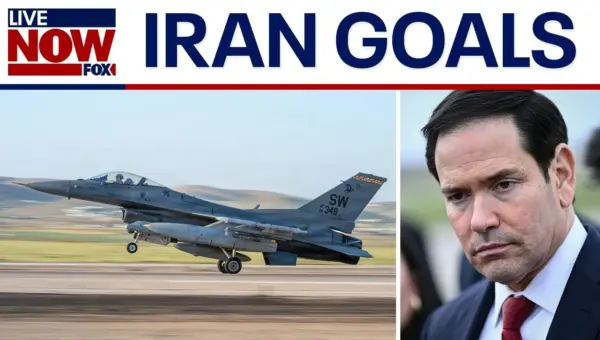
Rubio: US Can Achieve Iran War Goals Without Troops
Senator Marco Rubio outlined a strategy to counter Iran without deploying U.S. ground troops, focusing on weakening the regime and enhancing maritime security. He also criticized Cuba's economic system and expressed concerns about West Bank violence.

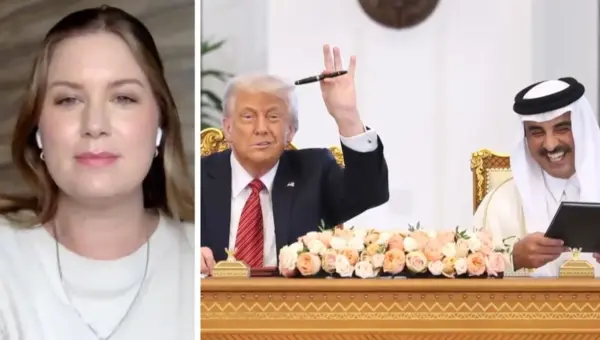
Gulf States Demand Seat at Table on Iran’s Nuclear Future
Gulf states are demanding a seat at the table for any U.S.-Iran talks regarding Iran's nuclear future. This move reflects a growing assertiveness and a desire to shape regional security directly. It signals a potential shift towards more inclusive diplomatic efforts in the Middle East.


Israelis Forge Resilience Amidst Constant Bomb Shelter Drills
Life in Israel is a blend of resilience and constant vigilance, with many families adapting to frequent bomb shelter drills and even sleeping in makeshift shelters. Despite ongoing missile attacks, Israelis strive to maintain normalcy, though businesses face disruption and emotional fatigue is a growing concern.