Trump’s Iran Policy Fuels Putin’s War, Analysts Warn
Former US President Donald Trump's decision to ease sanctions on Russian oil amid the Iran crisis has triggered a global energy shockwave, analysts warn. This move is seen as a significant boon for Vladimir Putin, potentially allowing him to prolong the war in Ukraine.

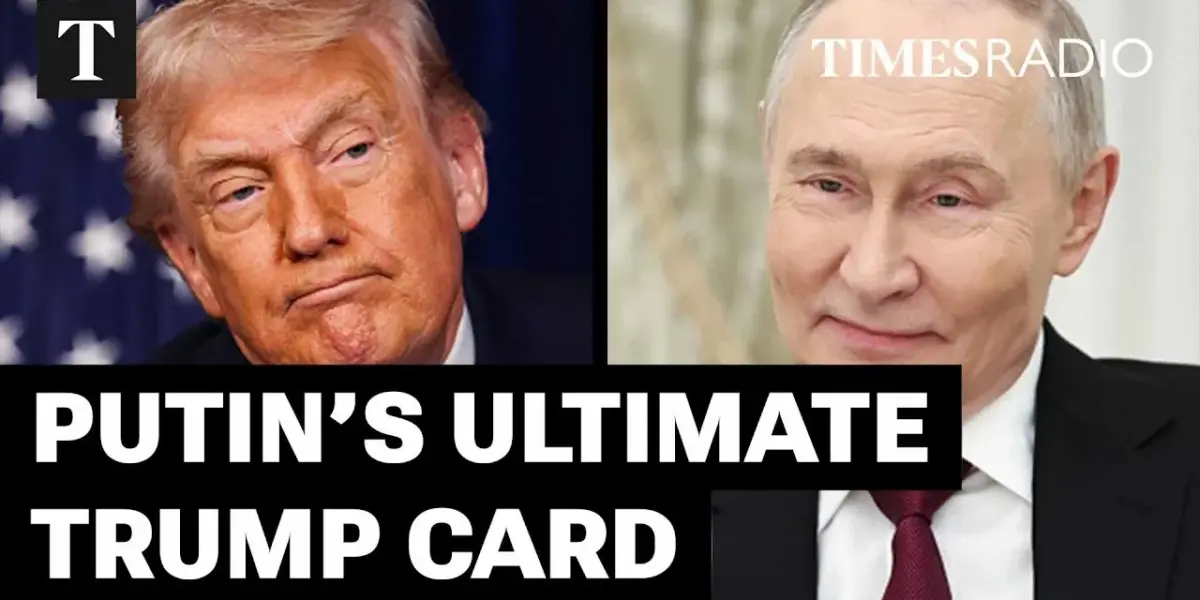
US Sanctions Easing on Russian Oil Creates Global Energy Crisis, Aids Putin
A controversial decision by former US President Donald Trump to ease sanctions on Russian oil, coinciding with escalating tensions in Iran, is inadvertently creating a global energy crisis that analysts warn could significantly benefit Russian President Vladimir Putin and prolong the war in Ukraine. The move has reportedly sparked concern within the UK government, risking a rift with the United States.
Sanctions Tighten on Russia Before Trump’s Policy Shift
According to Timothy Ash, an associate fellow in the Russia and Eurasia program at Chatham House and a senior sovereign strategist at RBC Blue Asset Management, recent months had seen a tightening of economic pressure on Russia. The imposition of secondary sanctions by the Trump administration over the summer on Russian state-owned oil companies, particularly targeting countries like India that were facilitating trade around existing sanctions, had begun to significantly impact Russia’s economy. These measures led to a substantial drop in Russian oil export revenues, with the Urals blend trading at a significant discount to international benchmarks like Brent and WTI, reportedly around 37%.
“Russian export revenues from energy have basically halved since the peak around the full-scale invasion,” Ash noted. “That’s increased the budget deficit for Russia. It’s slowed growth. The Russian economy is close to recession. And inflation’s you know high and the central banks having to run high interest rates. So things were getting tighter.”
Iran Conflict Triggers Global Energy Shockwave
The situation took a dramatic turn with the eruption of conflict in Iran. The ensuing global energy crisis, characterized by spiking oil prices, is seen by Ash as a critical development. He suggests that this global energy shockwave, potentially leading to a “systemic global crisis” comparable to COVID-19 or the global financial crisis, presents a significant advantage to President Putin.
“And that’s a gift for Putin. It’s manner from heaven. you know, it’s a get out of jail kind of scenario for him and he can wage the war longer.”
The implication is that the increased revenues from higher global energy prices, even if Russia sells its oil at a discount, could provide Moscow with the financial means to sustain its military operations in Ukraine for an extended period. This development directly contradicts the intended impact of Western sanctions aimed at crippling Russia’s war-fighting capabilities.
Evidence of Russian-Iranian Cooperation
Adding another layer to the complex geopolitical landscape, reports suggest that Russia has been assisting Iran in targeting US troops in the Gulf. While the evidence has been described as “overwhelming” by intelligence assessments, Ash points to a long-standing history of cooperation between Russia and Iran. He highlights the use of Iranian-designed drones, some now manufactured in Russia, in the conflict in Ukraine as a clear indicator of this partnership.
“I think the evidence is is kind of overwhelming. I think I think UK intelligence, UK defense have made it pretty clear what Russia’s up to,” Ash stated. He posited that Putin often uses such actions as leverage, becoming a “bad actor” to achieve negotiating advantages.
Sanctions Effectiveness Questioned Amidst Policy Divergence
The effectiveness of Western sanctions has come under scrutiny. Ash argues that sanctions have not been as impactful as they could have been due to Russia’s prior accumulation of foreign exchange reserves and economic deleveraging. Furthermore, he criticized a perceived slowness and predictability in the West’s approach to sanctions, noting a lack of penalties for entities that help Russia circumvent these measures.
“We’ve not made people pay for breaking or helping Russia break sanctions. No one goes to jail. No one gets fined, no one gets penalized,” he observed. “And yet, actually, if you help Russia break sanctions, you make a lot of money. So, you know, we’ve just not been very clever.”
Potential Rift Between US and European Allies
The decision to ease sanctions on Russian oil, particularly if it leads to a global energy crisis, is seen as working against the interests of key US allies in Europe, as well as countries like South Korea and Japan. This divergence in policy is fueling discussions about a potential rift between the United States and its European partners, with Downing Street reportedly joining other European nations in criticizing the US plans.
The UK Prime Minister’s official spokesman emphasized the commitment to existing sanctions, stating, “Our sanctions remain, and there is no question about that. We remain committed to exerting that maximum economic pressure.” However, the effectiveness of this pressure is being questioned in light of the evolving global energy market and the perceived policy shift from the US.
Broader Geopolitical Alignment Concerns
Ash concluded by suggesting that the misalignment between American policy under the Trump administration and European interests and values has been evident for some time. This divergence, he implies, could have significant implications for international cooperation on issues ranging from energy security to geopolitical stability.
Source: Trump Hands Putin Gift As Iran War Causes Global Crisis | Timothy Ash (YouTube)

Related Articles
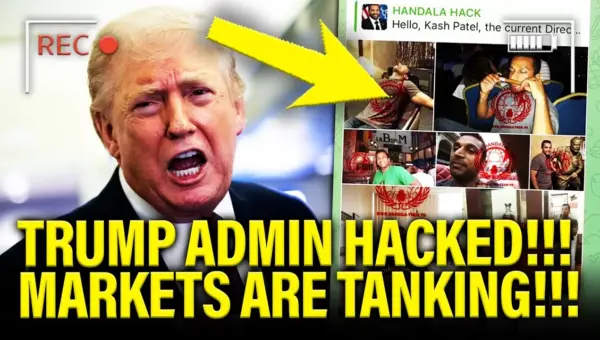
Iran Hacks Trump Official Amid Escalating Global Tensions
Iran has reportedly hacked into the emails of a former Trump administration official, raising security concerns. Meanwhile, US intelligence questions the effectiveness of strikes against Iran, and reports suggest Donald Trump's interest in the conflict is waning. The situation is further complicated by global economic impacts and allegations of bias within the US military.
Trump Courts Farmers, Promises Agricultural Boom
Donald Trump addressed farmers at the White House, promising agricultural prosperity through deregulation, tax cuts, and trade deals. He positioned himself as a champion against the policies of the Biden administration and highlighted past achievements like repealing the estate tax and easing equipment repair rules. The speech aimed to solidify support from the farming community.


Iran Hacks FBI Director: A Stunning Breach of US Security
Iranian hacker groups claim to have breached the personal email of former FBI Director Cash Patel. This incident raises serious concerns about U.S. government security and follows other controversies surrounding Patel's tenure. It highlights the ongoing threat of foreign cyberattacks.