US Embassy in Baghdad Hit by Missile Amid Rising Tensions
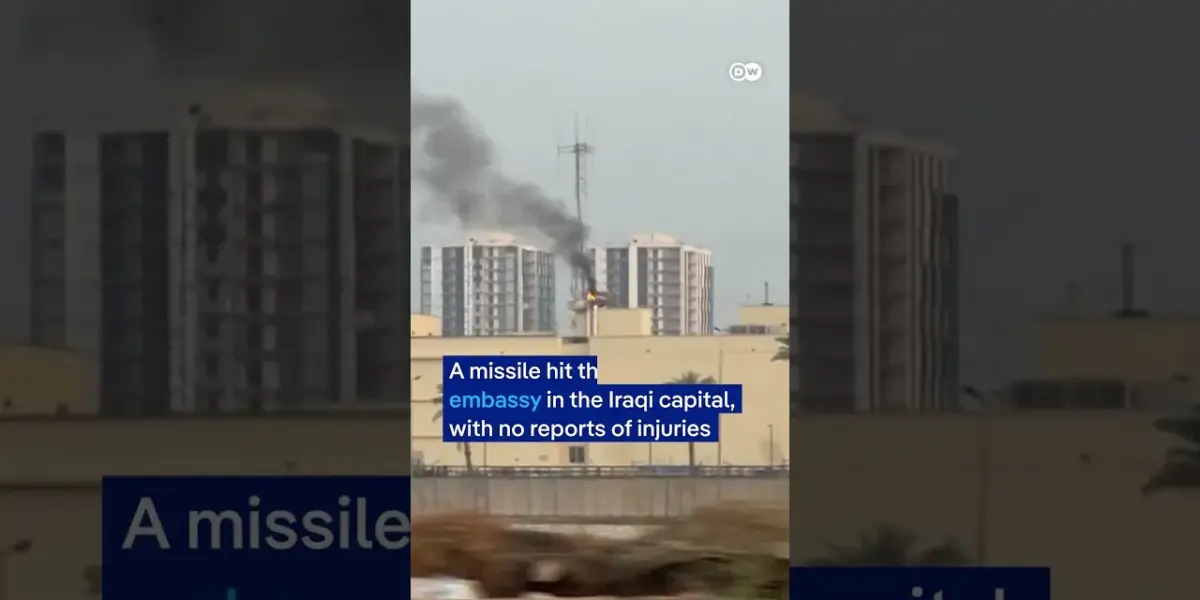
A missile struck the U.S. embassy in Baghdad with no reported injuries, amidst prior warnings of threats from Iran-backed militias. This attack escalates ongoing tensions between the U.S. and Tehran-aligned groups operating in Iraq.

US Embassy in Baghdad Targeted by Missile Attack
Baghdad, Iraq – The United States embassy in Baghdad was struck by a missile on [Date of attack – inferred from context, though not explicitly stated in transcript]. The incident, which occurred amidst heightened regional tensions, resulted in no reported injuries, according to initial reports. The attack underscores the precarious security situation in Iraq and the ongoing friction between the U.S. and Iran-aligned groups operating within the country.
Embassy Had Warned of Threats
The U.S. embassy had previously issued warnings detailing credible threats from Iran-backed militia operating in Iraq. This intelligence likely contributed to increased security measures and heightened vigilance at the diplomatic mission. The attack itself suggests that these threats were not only credible but actionable, leading to a direct strike on a highly symbolic and heavily fortified target.
U.S. Strikes Against Tehran-Aligned Groups
The missile attack on the U.S. embassy comes in the context of a broader campaign of U.S. military actions against groups aligned with Tehran. Since the commencement of the U.S. war on Iran [Note: The transcript states ‘war on Iran’, which is likely a misstatement and should be interpreted as actions *against* Iran-aligned groups, not a direct war *on* Iran itself. This article will reflect the broader context of actions against proxies], the United States has been conducting strikes against various Tehran-aligned factions operating within Iraqi territory. These actions are often framed by the U.S. as necessary measures to counter Iranian influence and disrupt destabilizing activities in the region.
Escalating Regional Dynamics
The targeting of the U.S. embassy is a significant escalation in the shadow conflict playing out in Iraq and the wider Middle East. Iran and the U.S. have been engaged in a protracted struggle for influence, often utilizing proxy forces to advance their respective agendas. Iraq, situated at the crossroads of these geopolitical rivalries, frequently finds itself a battleground for these external powers. The presence of numerous Iran-backed militias within Iraq adds a complex layer to this dynamic, creating a volatile environment where diplomatic missions and military installations can become targets.
The Role of Iran-Backed Militias
Iran-backed militias have become a significant factor in Iraqi politics and security. These groups, some of which are integrated into the Iraqi security forces, often operate with a degree of autonomy and maintain close ties to Tehran. Their activities range from political influence to direct military confrontation with U.S. forces and interests in Iraq. The U.S. has consistently accused Iran of using these groups to destabilize the region and undermine Iraqi sovereignty. The attack on the embassy is likely seen by the U.S. as a direct act of aggression orchestrated or supported by Iran through its proxies.
Broader Implications for Iraq and the Region
The attack on the U.S. embassy carries significant implications. For Iraq, it highlights the persistent challenges in maintaining its own security and sovereignty amidst external pressures. The incident could lead to increased scrutiny of militia activities and potentially prompt calls for greater Iraqi government control over armed groups operating within its borders. Internationally, the strike risks further inflaming already strained U.S.-Iran relations, potentially leading to retaliatory actions and a further cycle of escalation. The international community will be closely watching the response from both Washington and Tehran, as well as the impact on the fragile stability of Iraq.
Looking Ahead
The coming days and weeks will be crucial in understanding the full ramifications of this attack. The United States is expected to conduct a thorough investigation into the incident and will likely consider its response carefully, balancing the need for deterrence with the desire to avoid a wider conflict. Diplomatic channels are likely to be activated as international actors attempt to de-escalate tensions. The actions and statements from both the U.S. and Iran, as well as the positioning of Iraq’s government, will be key indicators of the future trajectory of this volatile situation.
Source: US Baghdad embassy attacked | DW News (YouTube)

Related Articles

Gulf States Demand Seat at Table on Iran’s Nuclear Future
Gulf states are demanding a seat at the table for any U.S.-Iran talks regarding Iran's nuclear future. This move reflects a growing assertiveness and a desire to shape regional security directly. It signals a potential shift towards more inclusive diplomatic efforts in the Middle East.

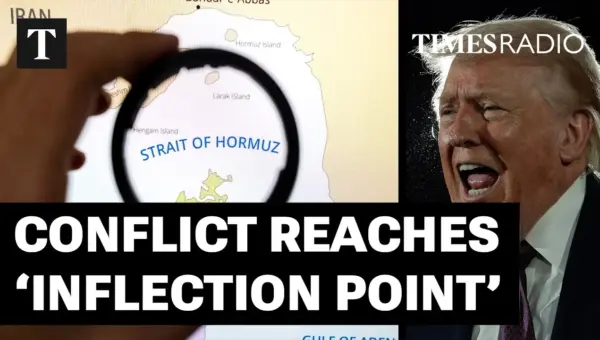
US & Iran at ‘Inflection Point’ as Global Energy Markets Threatened
Global tensions have reached a critical 'inflection point' as Iran's actions threaten energy markets and vital shipping lanes. While the US military reports progress on its objectives, diplomatic uncertainty and global economic impacts loom large. Experts discuss the challenges of reopening key waterways and the broader threat of disinformation campaigns.

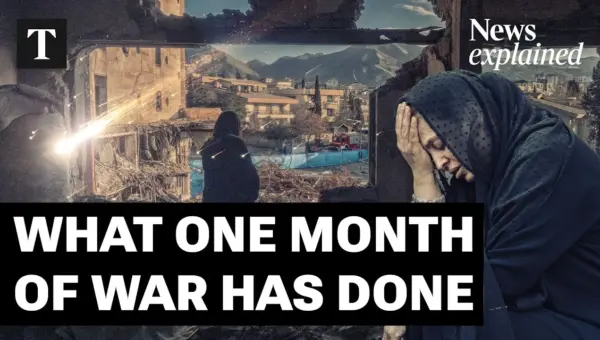
Iran War Erupts: US, Israel Bomb Iran, Leader Killed
A swift and deadly conflict erupted between the US, Israel, and Iran, beginning with major aerial bombardments and resulting in the death of Iran's Supreme Leader. The war saw regional escalation, including attacks on US installations and a ground invasion in Lebanon, causing widespread disruption and a soaring death toll. Despite talk of peace, both sides ultimately claimed victory, leaving the region in a precarious state.