Iran Conflict Escalates: Ex-Ambassador Predicts Negotiation After Military Pressure
Former Israeli Ambassador to Canada Alan Baker suggests that escalating military pressure from the U.S. may ultimately compel Iran to negotiate an exit strategy. The conflict has already impacted global energy supplies and regional stability, with the Strait of Hormuz becoming a critical flashpoint.

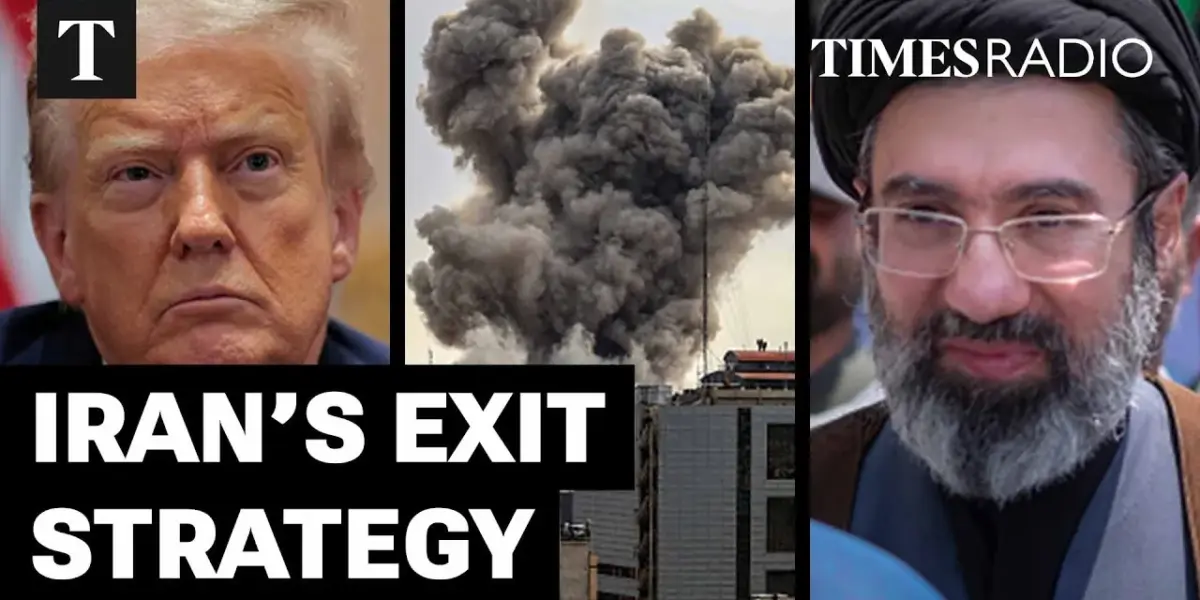
Middle East on Edge as US Boosts Military Presence Amid Iran Tensions
The Middle East finds itself at a critical juncture as the United States significantly escalates its military posture in response to escalating tensions with Iran. Reports indicate the potential deployment of thousands of Marines and additional warships to the region, a move accompanied by President Donald Trump’s pronouncement of imminent, severe action against Iran. This heightened military engagement follows alleged significant strikes by the U.S. military on Iranian oil infrastructure, with one report detailing an attack on Kag Island, a facility responsible for approximately 90% of Iran’s oil exports.
“We are in a position of dominance that nobody’s ever seen before,” a statement from the U.S. military asserted, highlighting perceived crippling blows to Iran’s naval and air capabilities. The deployment of additional Marines is being framed not as an immediate ground invasion, but as a potent message of U.S. resolve and a strategic signaling of capabilities, according to Associated Press correspondent Philip Crowther, reporting from the UAE overlooking the Strait of Hormuz.
“This doesn’t mean that there is any kind of a ground invasion coming up and it would take uh this ship and the troops a long time to get here. maybe a matter of weeks. So, this is not something that is uh going to happen immediately, but uh put it in the category of threats and possibilities uh that the U.S. military is clearly putting out there,” Crowther explained regarding the implications of the troop movement.
Israel Assesses Shifting Regional Power Dynamics
The conflict’s ripple effects are keenly felt in Israel, with Prime Minister Benjamin Netanyahu recently declaring a shift in the Middle East’s balance of power. However, questions linger about the tangible outcomes of this perceived shift, especially given the survival of the Iranian regime and the continued, albeit so far unsuccessful, Israeli efforts to dismantle Hezbollah in Lebanon.
Ambassador Alan Baker, director of the Jerusalem Center for Security and Foreign Affairs and former Israeli Ambassador to Canada, shared his perspective on the escalating situation. “Well, I presume as soon as the threat of Iran is no longer there, uh then the world will be safer by definition,” Ambassador Baker stated, addressing concerns about global safety amidst the ongoing conflict.
Strait of Hormuz Blockade and Regional Instability
The strategic Strait of Hormuz, a vital artery for global oil transport, has become a focal point of the conflict, with reports of effective blockades causing significant ramifications for international shipping and global cost of living. Ambassador Baker characterized the potential blocking of the Strait as an integral part of the conflict with Iran.
“And as soon as that is dealt with, then the straight of Hormuz will no longer be a problem and the the threat of Iran will no longer be a problem. So the assumption is uh if we can rely on on President Trump and rely on on what is happening um within a short amount of time this threat will no longer exist.”
The situation in Lebanon, with ongoing exchanges involving Hezbollah, is viewed by Ambassador Baker not as a new front, but as a persistent threat that Israel must continue to address until eradicated. He emphasized that this is a matter of time and will eventually cease to be a destabilizing factor in the Middle East.
Defining Victory and the Role of Diplomacy
The objectives of the United States and Israel in this conflict are clear, according to Ambassador Baker. Israel’s primary aim is self-preservation against existential threats from Iran and terrorism emanating from Lebanese territory via Hezbollah. The U.S. objective, he explained, is to neutralize the international threat posed by Iran.
“Once these two things are achieved then the assumption will be that things life will be much easier, life will be much simpler and the international community including the United Kingdom will be able to live more safely without being threatened by Iranian terrorism targeting British people,” Baker elaborated.
Regarding the concept of victory for Iran, Baker suggested it would be defined by the survival of the regime, irrespective of the conflict’s tangible outcomes. “Whatever will be the outcome, the Iranians will claim victory. That’s the nature of the jihadist regime. They they can’t be defeated. Whatever little comes out of it, they will declare victory,” he noted. The crucial element, he stressed, is the neutralization of Iran’s capacity to harm regional and international interests.
Despite the widespread human cost and the suffering of innocent civilians, Ambassador Baker sees a path toward negotiation. “I think once the the well once the Iranians come to realize that they’re not going to achieve their aims, then presumably they’ll come along and say, ‘Okay, well, let’s negotiate an exit strategy.’ And I I am sure that I know Israel and but I’m sure that the Americans will be very eager to do this once it happens,” he predicted.
The Failure of Diplomacy and the Path Forward
Ambassador Baker reflected on the preceding diplomatic efforts, suggesting that diplomacy had failed because Iran demonstrated no genuine intention of reaching an agreement, allegedly using negotiations as a delaying tactic to advance its nuclear program. “So diplomacy failed and that’s what happens when diplomacy fails then war ensues,” he stated.
Looking ahead, Baker anticipates that once the current conflict concludes, diplomacy will re-emerge, albeit with a different context and approach. “At some stage the war will come to an end and diplomacy will will come back uh in a different with a different exit point and a different entry point in the hope that it will be possible to uh um reach some type of amicable arrangement where every perhaps nobody will be happy but peace will uh will be achieved,” he concluded.
What to Watch Next
The coming weeks will be crucial in observing the U.S. military’s next moves and their impact on Iran’s strategic capabilities. Attention will also remain fixed on the Strait of Hormuz and the broader implications for global energy markets. Furthermore, the effectiveness of Israel’s ongoing efforts in Lebanon and any potential shifts in regional diplomatic overtures will be key indicators of the conflict’s trajectory.
Source: Iran Will Turn Around And Come To The Negotiation Table | Former Israeli Ambassador To Canada (YouTube)

Related Articles

Trump Halts Iran Strikes Amid Stalled Diplomacy
President Trump announced a pause on planned strikes against Iran, citing productive talks, though Iran denies negotiations occurred. Reports also suggest a potential U.S. ground operation on Iran's Hark Island. The situation raises concerns about international support for Ukraine and potential shifts in U.S. foreign policy.
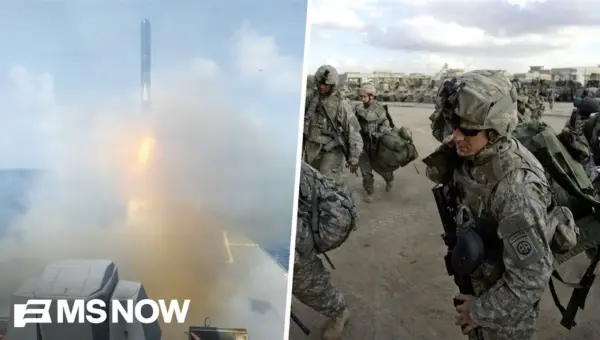
Iran Missile Strikes Injure US Troops, Raise War Concerns
Iranian missile strikes have injured U.S. service members, escalating tensions as the conflict nears one month. The attacks are raising concerns about the effectiveness of U.S. military strategy and the depletion of crucial missile stockpiles. Global oil prices have surged, impacting economies worldwide.

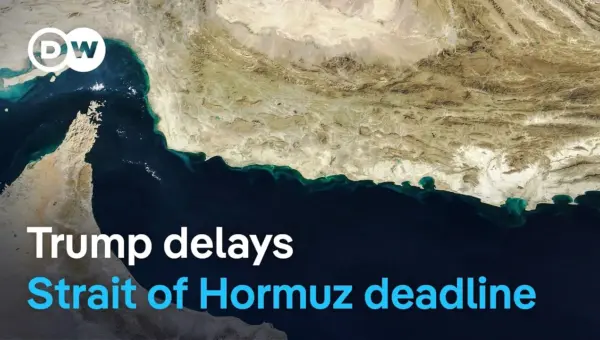
Trump Delays Iran Strike Deadline Amidst Shifting Diplomacy
President Donald Trump has extended his deadline for potential strikes on Iranian energy plants to April 6th, amid reports of U.S.-Iran diplomatic talks mediated by Pakistan. This move comes as Israel continues its strikes on Iran and the U.S. deploys additional military assets to the region. Analysts point to mixed signals, economic pressures, and strategic miscalculations as key factors shaping the evolving situation.