Vindman Slams ‘Obscene’ Trump Stance on US Casualties
Lieutenant Colonel Alexander Vindman has sharply criticized former President Trump's administration, calling their attitude towards American casualties "obscene." He detailed concerns over the legality of "no-quarter" orders and the administration's foreign policy decisions regarding Iran and Russia.

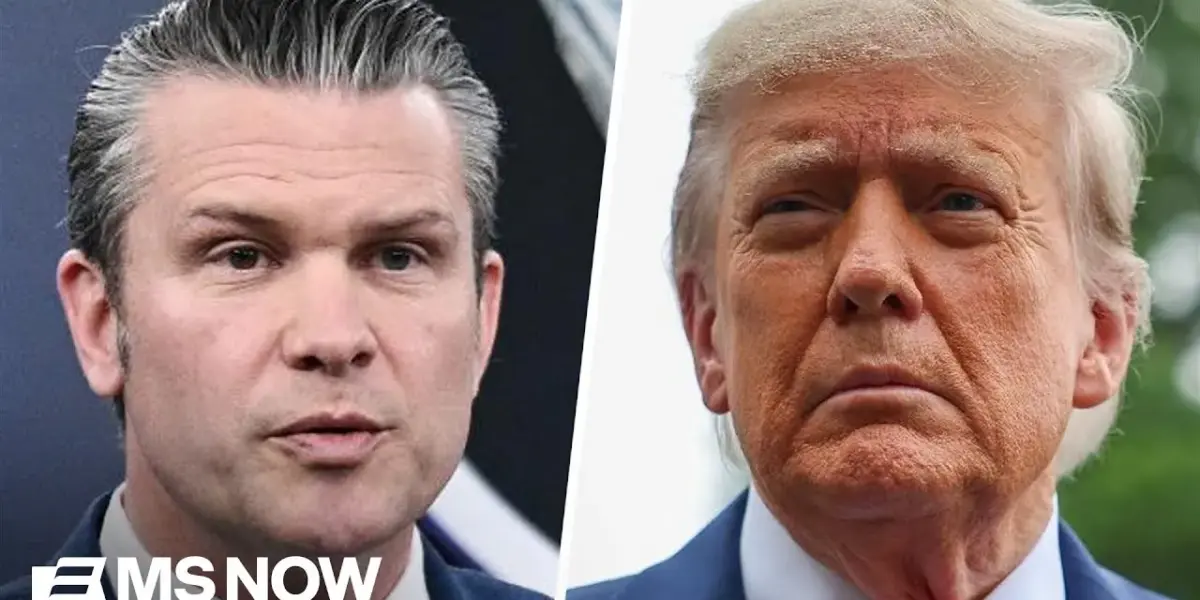
Vindman Condemns Trump’s ‘Cavalier Attitude’ Towards American Lives
Lieutenant Colonel Alexander Vindman, a key figure in the first impeachment of former President Donald Trump, has sharply criticized what he described as a “cavalier attitude to American casualties” exhibited by Trump and his administration. Speaking recently, Vindman detailed concerns over the legality and wisdom of the U.S. government’s approach to potential conflicts, particularly highlighting remarks made by Pete Hegseth, a former U.S. Army officer and conservative commentator. Vindman asserted that the concept of issuing a “no-quarter” order—meaning no mercy would be shown to enemy combatants—is not only illegal under international law but also reflects a dangerous disregard for the lives of American service members.
International Law and ‘No Quarter’ Orders
Vindman, who has trained numerous soldiers on the laws of armed conflict, stated unequivocally that issuing a “no-quarter” order is a direct violation of international law. “It’s actually in black and white, in international law,” Vindman explained. “So under Geneva Convention, under the International Criminal Court, the Rome Statute, the very order, ‘no quarter will be given,’ that’s a violation.” He emphasized that this is a fundamental principle understood even by junior enlisted personnel.
The former NSC official characterized this as a pattern of behavior for the current administration, suggesting a lack of experience and knowledge leading to a trial-and-error approach to foreign policy. “It is actually painful to watch the cavalier attitude to American casualties from the President and the Secretary, it is obscene,” Vindman remarked.
Questionable War Strategy and Economic Repercussions
Vindman raised serious questions about the administration’s decision-making process regarding Iran. He posited that the President initiated what he termed an “unlawful war of choice with Iran,” a move that he believes is being fueled by flawed assumptions and a dangerous misreading of the geopolitical landscape. According to Vindman, Iran is receiving intelligence from Russia to target Americans, yet the administration has lifted sanctions on Russian oil, a move he sees as counterproductive and damaging to U.S. interests.
“The President is just really bad at his job and these actions are getting American service members killed,” Vindman stated bluntly. He elaborated on the economic implications, explaining that Russia, heavily sanctioned since its 2013 invasion of Ukraine, relies significantly on oil sales for foreign currency. “America had met with some degree of success in trying to limit that,” Vindman said, questioning the decision to remove sanctions.
The Strait of Hormuz and Foreseeable Risks
A critical point of contention for Vindman is the potential disruption of oil transit through the Strait of Hormuz, a vital chokepoint for global oil supplies. He argued that any administration should understand the immense risks associated with a conflict that could threaten this waterway. “You need to be no expert on the Strait of Hormuz. You need to look at a simple map and understand, boy, that’s a dangerous thing to,” he said.
Vindman highlighted that decades of both Democratic and Republican administrations have carefully weighed the costs and benefits, concluding that engaging in a conflict that jeopardizes the Strait of Hormuz is “not worth the massive disruption, the potential cost in life.” He countered the administration’s claims that Iran is on the verge of collapse, stating, “This regime, despite what the administration is saying, is not on the verge of folding.”
Hope-Based Foreign Policy and Unclear Objectives
The former lieutenant colonel accused the President of waging war based purely on “hope”—hope that American air power will be sufficient to force Iran’s capitulation and hope that the Iranian people will rise up against their government. Vindman expressed skepticism about the latter, noting that the prospects for an internal uprising have diminished, particularly when the regime is engaged in violence against its own citizens.
“When they are getting killed and this doesn’t make, this doesn’t help you win hearts and minds.”
Vindman reminded listeners of the President’s promise not to involve the U.S. in another Middle East war. He expressed concern over the lack of clear objectives and an undefined end to the potential conflict. “We have no real prospects of when this will end because we don’t know what the objectives are,” he stated.
Contradictory Stances and Rising Costs
Adding to the confusion, Vindman pointed out the President’s seemingly contradictory statements regarding Iran’s nuclear capabilities. “The President from one moment he’s saying unconditional surrender, the next moment he’s talking about eliminating a nuclear capability that he obliterated just eight months ago, so he was either lying then or lying now,” Vindman asserted.
This perceived mismanagement of foreign policy comes at a time when American citizens are facing soaring costs of living. Vindman recalled the President’s election platform, which promised to lower costs, contrasting it with current policies that he believes are actively driving up expenses. “Instead, he is doing everything he can to skyrocket costs,” Vindman said. He concluded by emphasizing the tangible and devastating cost of such policies: “It’s obscene, and the cost in American blood and treasure is real. I saw that at Dover last weekend when I was at the, at the, the transfer of American dead, literally feet behind the president watching the coffins roll by and wondering to myself when will this end?”
Looking Ahead
Vindman’s strong condemnation highlights a growing concern among national security experts regarding the administration’s foreign policy decisions and their potential human cost. As the situation evolves, attention will remain focused on the clarity of U.S. objectives in the Middle East, the adherence to international law in military engagements, and the ultimate impact on American service members and the broader geopolitical stability.
Source: Trump & Hegseth’s ‘cavalier attitude to American casualties’ is ‘obscene,’ says Vindman (YouTube)

Related Articles
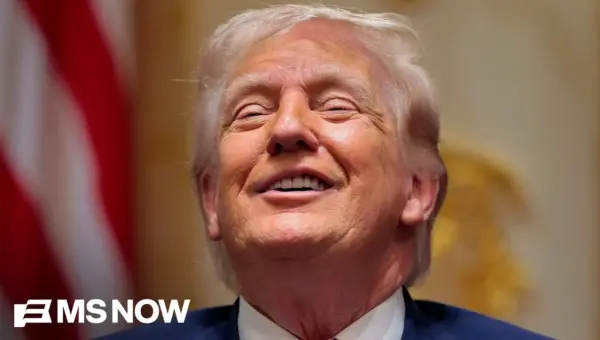
Trump’s Name Everywhere: A ‘Stain’ on GOP Legacy?
Former President Donald Trump's efforts to brand national symbols, including a proposed signature on dollar bills, spark debate. Critics view this as an authoritarian attempt to embed his legacy, potentially staining the Republican Party's history and contrasting with democratic ideals of public ownership.
Trump’s War Talk Stuns Financial Crowd
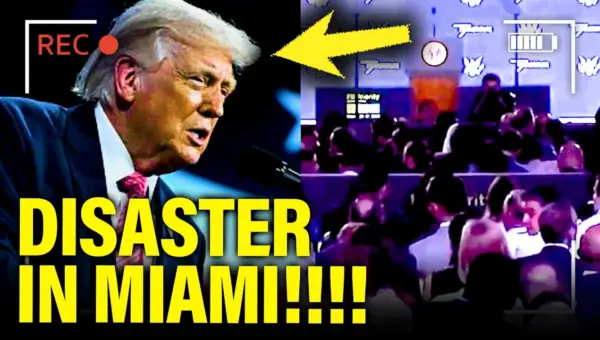
Donald Trump's recent speech in Miami focused on his foreign policy, particularly his critical views on NATO and his vision for international relations. He declared the U.S. would no longer defend NATO allies, questioned the value of existing alliances, and suggested renaming the Strait of Hormuz. The speech also touched on his personal views of success, his allies, and his perceived role as a global peacemaker.
Trump’s Warpath: New Threats Signal Imperial Ambitions
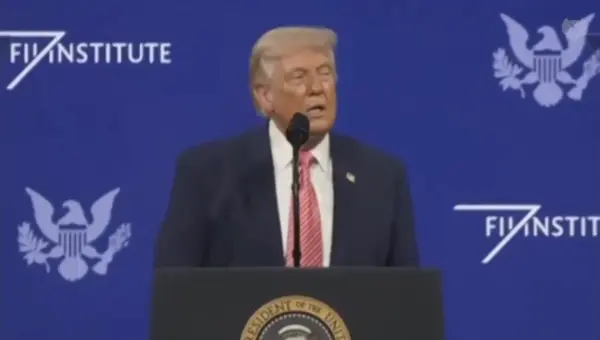
Recent statements from Donald Trump reveal a potential embrace of increased military action and interventionist foreign policy. This approach, characterized by critics as "imperialism 2.0," contrasts with his past promises of peace and has even drawn criticism from parts of his own base. The implications for U.S. global engagement and domestic priorities are significant.