Trump’s Iran War Lacks Strategy, Risks Regional Escalation
The U.S. is heading into its third week of conflict with Iran, marked by significant financial costs and rising casualties. Analysts criticize the administration's lack of a clear strategy, uncertain objectives, and potential for regional escalation, while economic consequences mount globally.

US Enters Third Week of Unclear Iran Conflict, Economic Fallout Mounts
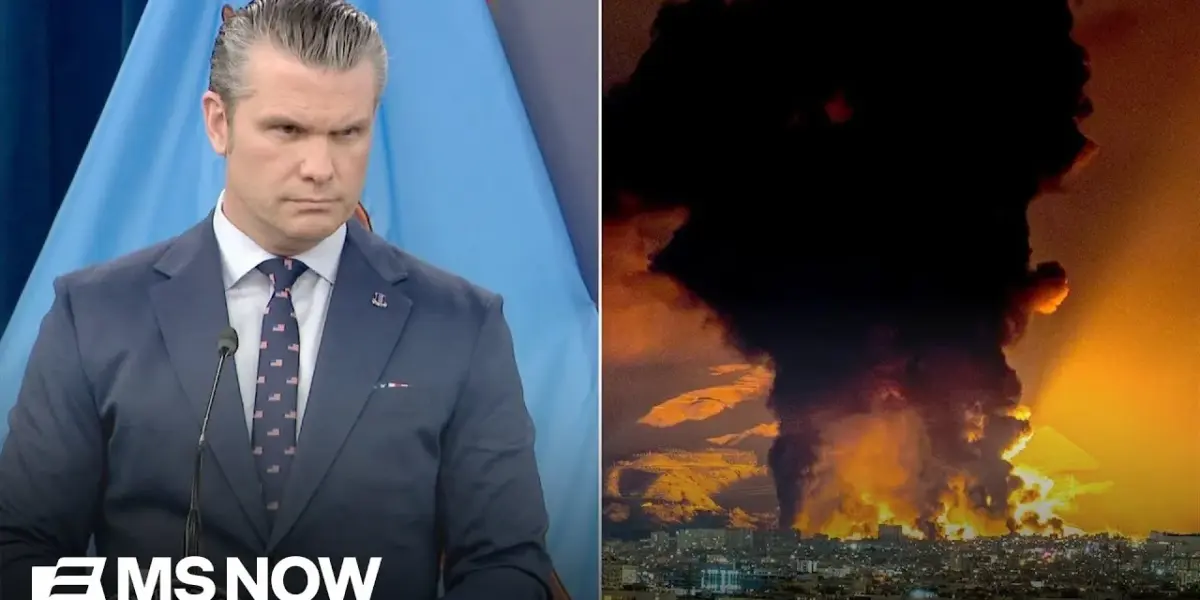
As the United States enters its third week of military engagement with Iran, a conflict marked by a significant financial cost and rising human casualties, critical questions are emerging about the administration’s strategy and long-term objectives. The war, which has already cost American taxpayers an estimated $11 billion in its first week alone, has resulted in the deaths of several American service members and thousands of Iranians. The ongoing bombing campaigns by the U.S. and Israel, met with retaliatory missile and drone strikes from Iran, have also led to the closure of the Strait of Hormuz, a critical chokepoint for global oil transport, sending energy prices soaring worldwide.
Uncertain Objectives and Escalating Military Presence
Despite pronouncements from the White House suggesting a desire to conclude the conflict swiftly, the reality on the ground indicates a potential escalation. Reports citing U.S. officials suggest the Pentagon plans to deploy additional Marines and warships to the region. This move appears to contradict the administration’s rhetoric of winding down operations. Panelists on a recent broadcast expressed skepticism, highlighting a disconnect between official statements and observable actions.
“The rhetoric is not matching the reality on the ground because we’re clearly not winning either,” noted one commentator. “It’s very unclear what the objectives are, what the goals are.” The uncertainty is compounded by personal accounts, such as an Air Force member who had to cancel a wedding due to anticipated deployment, underscoring the tangible impact on military families and personnel.
Constitutional Questions and Economic Mismanagement
Legal experts and political analysts have raised concerns about the constitutional basis of the engagement, emphasizing that only Congress has the authority to declare war. The current situation is described as a potential “knee-jerk reaction” by the President, lacking a clear economic plan or a well-defined strategy for service members. The administration’s claims of success are met with skepticism, particularly in light of pre-existing economic challenges such as high gas, grocery, and housing prices, which the conflict has reportedly exacerbated.
“When he says we’ll wrap it up soon, based on what? Obviously not intelligence,” a panelist questioned. The lack of clear objectives makes it impossible to determine when or if the mission has been accomplished. When asked about the criteria for ending the conflict, one response cited the President’s assertion that he would “feel it in my bones,” a statement met with derision given the tangible economic consequences, such as a market downturn.
Missed Opportunities in Economic Preparedness
Commentators pointed to a failure on the administration’s part to implement preparatory measures that could have mitigated the economic impact of the conflict. Strategic decisions, such as maintaining adequate oil reserves—which were reportedly at multi-decade lows—and avoiding the sale of critical resources like helium, are highlighted as missed opportunities. Furthermore, alleviating tariffs on fertilizer inputs, a significant portion of which is transported through the Strait of Hormuz, could have softened the blow to agricultural markets.
“There are so many things that could have been done in advance of all of this just to anticipate some of the pain, some of the economic pain, forget about again the loss of life,” a former advisor stated. The lack of planning has inadvertently benefited adversaries, with Russia reportedly receiving sanctions relief due to its ability to supply oil outside the Strait of Hormuz, thus profiting from the instability.
War as ‘Mad Libs’ and Distraction Tactics
The chaotic and seemingly improvised nature of the administration’s approach to the conflict was likened to “war by Mad Libs,” suggesting a lack of coherent planning and a tendency to “wing it.” Analysts argue that an administration’s priorities are revealed by how it allocates its time and resources. In this case, the focus appears to be on “side deals in the Middle East for crypto and real estate,” evading legal consequences, and attempting to influence future elections, rather than on strategic conflict resolution.
The use of social media and meme campaigns to distract from serious issues was also a point of discussion. “The gamification” of war, turning it into entertainment or content, was seen as a reflection of a broader nihilism and a deliberate tactic to disengage the public from critical realities. This approach, coupled with a perceived lack of understanding of public service, contributes to a sense of unreality, where even the sacrifices of service members are overshadowed by digital distractions.
Erosion of Trust and International Standing
The administration’s handling of the conflict has further eroded trust among allies, who reportedly lack clarity on U.S. intentions and strategy. The incident involving the U.S. embassy in Riyadh being targeted by an Iranian drone was cited as a predictable and preventable consequence of the administration’s erratic foreign policy. This contrasts sharply with previous efforts to stabilize regions like Iraq and Afghanistan.
The long-term consequences of a hasty withdrawal, without a stable successor strategy, could be dire. The panelists warned that such actions could create vacuums that foster extremism, drawing parallels to the rise of ISIS following the Iraq War and the Taliban’s resurgence after U.S. withdrawal from Afghanistan. The potential emergence of a new, hardened leadership in Iran, fueled by resentment over perceived U.S. actions, poses a significant future threat.
Looking Ahead: The Stakes of Strategic Ambiguity
As the conflict continues with no clear end in sight, the focus remains on the administration’s ability to articulate and achieve concrete objectives. The economic repercussions, the human cost, and the geopolitical ramifications of this strategically ambiguous war will continue to unfold. The coming weeks will be critical in determining whether the U.S. can navigate this volatile situation without further escalating regional tensions or creating long-term instability.
Source: What's next after two weeks of Trump's war with no clear strategy in sight? (YouTube)

Related Articles

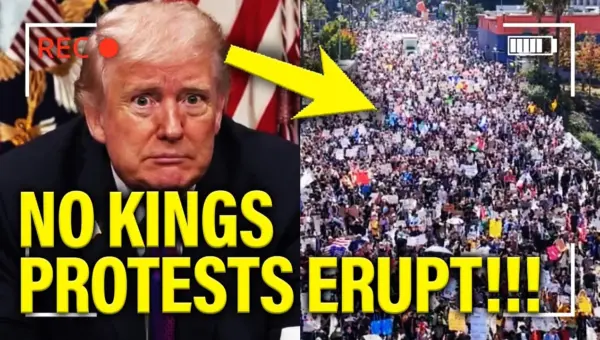
Protests Challenge Trump’s Grip as ‘No Kings’ Movement Grows
Massive 'No Kings' protests swept the nation, challenging the Trump administration and advocating for democratic values. Organizers highlighted growing support and a shift in protest tactics, positioning the movement as a force for positive change.

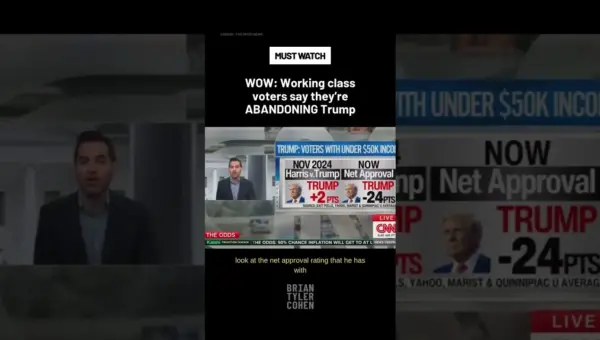
Working Class Voters Flee Trump’s Ship: A 2024 Election Reckoning?
Working-class voters, a crucial base for Donald Trump, are showing a significant decline in approval, according to recent polling. A 26-point drop in net approval among those earning under $50,000 indicates a potential shift away from Trump's coalition. This could have major implications for his future electoral prospects.
Trump’s 200-Year Lifespan Claim Defies Biology
Donald Trump recently claimed he could live to 200 years old, a statement attributed to his former doctor and diet advice. This assertion, made while appearing visibly unwell, starkly contrasts with scientific understanding of human lifespan limits, which cap around 120 years. The incident raises questions about health claims and medical ethics.