Ex-State Dept. Official Warns of ‘Elevated Threat’ on US Soil
A former State Department counterterrorism coordinator has warned that the U.S. is facing an "elevated threat environment" due to both Iran-backed groups and self-radicalized individuals. He emphasized the need to focus on these direct threats rather than engaging in partisan blame.

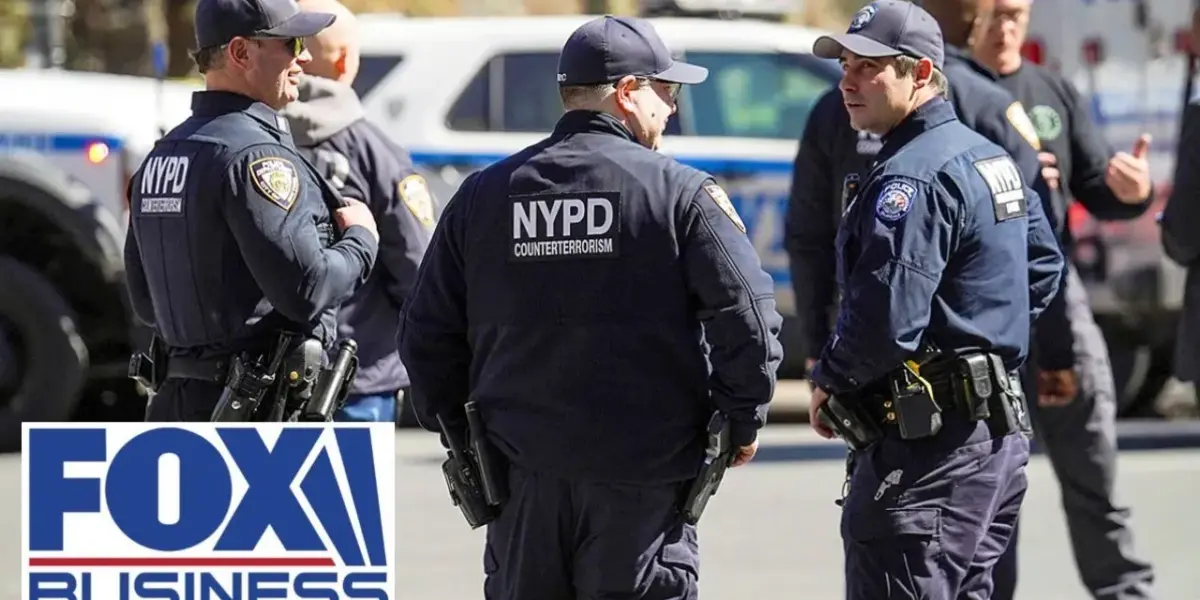
US Faces Heightened Terrorism Risk, Former Official States
The United States is currently confronting an “elevated threat environment,” a former high-ranking official from the State Department has warned, citing a surge in suspected terrorist activities and the persistent danger posed by state-sponsored terrorism. The assessment comes amid heightened global tensions and recent incidents that underscore the vulnerability of American soil to extremist ideologies and actions.
Broader Landscape of Terrorist Threats
Speaking on a recent broadcast, the former Counterterrorism Coordinator for the Trump administration, identified as Scott, articulated concerns about the dual nature of the terrorist threats facing the nation. “We actually have two different kinds of terrorist threats that we have to worry about now,” he explained. “One is members of Iran-backed terrorist groups, and the second is people who are not formally part of a terrorist organization, but who are radicalized and inspired to attack on their own.”
This categorization highlights a complex security landscape where traditional, organized terrorist cells operate alongside a growing number of individuals who are self-radicalized, often through online propaganda, making them more unpredictable and difficult to track.
Iran’s Role as a State Sponsor of Terrorism
A significant portion of the discussion focused on Iran’s long-standing role as a state sponsor of terrorism. Scott emphasized that the conflict with Iran is not a new development but rather a continuation of a decades-long struggle. “Iran has been the world’s worst state sponsor of terrorism, and it’s lasted for 47 years,” he stated. “The war didn’t start two weeks ago, it started when Iranian radicals took a bunch of American diplomats hostage in Tehran, and it’s continued over the years and decades since then.”
The objective of current U.S. policy, as described by the former official, is to “degrade the regime’s ability, destroy the regime’s ability to use force and threaten Americans in the region and threaten Americans here at home.” The scale of this threat is underscored by FBI estimates indicating that no fewer than 128 Hezbollah operatives—a Lebanese terrorist group backed by Iran—have been arrested in the United States over the past 25 years. This statistic serves as a stark illustration of the direct threat Iran-backed groups pose to domestic security.
Addressing Domestic Radicalization and Inspired Attacks
Beyond state-sponsored threats, the former official expressed deep concern over the rise of domestically inspired attacks. He pointed to recent events, stating, “just look at the numbers. Four suspected terrorist attacks on American soil just in the last two weeks.” While cautioning against sounding alarmist, he stressed the need to acknowledge the reality of the situation. “And we have to assume that more people, deranged lunatics like this, are going to be inspired to take matters into their own hands.”
This sentiment was echoed in response to a contentious segment on CNN, where a guest appeared to suggest U.S. involvement in past events contributed to terrorist attacks. Scott firmly rejected such narratives, stating, “There’s this weird impulse among some commentators to point fingers at the United States as something terrible happens, well, the United States must have done something. And even if we didn’t have it coming, blame the victim.” He asserted unequivocally, “9/11 was al-Qaeda’s fault. Cobar Towers was Iran’s fault. The attacks on American citizens is ISIS’ fault. It’s ISIS-inspired — ISIS’ responsibility, not the American people’s, not the American government’s.”
Call for Unity Over Partisanship
In light of the “elevated threat environment,” the former official issued a strong call for national unity and a focus on substantive security measures, urging an end to partisan finger-pointing. “This is no time to be pointing fingers and partisan politics. It’s time to buckle down and address the threat,” he advised. He stressed that the motivation behind these attacks is fundamentally anti-American: “There are terrorists in this world today who want to kill us. They want to kill us because we’re Americans, not because we’re Republican or Democrat, because we’re Americans.”
Looking Ahead: Vigilance and Action
The ongoing assessment of threats requires constant vigilance and a unified national response. As the U.S. continues to navigate complex geopolitical challenges and domestic security concerns, the emphasis remains on identifying and neutralizing terrorist plots, regardless of their origin. The coming months will likely see continued efforts to bolster counterterrorism measures and public awareness campaigns, as the nation confronts the persistent reality of an elevated threat landscape.
Source: We’re facing an ‘elevated threat’ environment, former State Department official says (YouTube)

Related Articles

Iran Targets US With Cyberattacks, Escalating Digital Warfare
Iran is increasingly using cyberattacks to challenge the U.S., as seen in a recent hack of the FBI director's account. Experts say this is a strategic shift due to Iran's limitations in conventional warfare. The U.S. needs to strengthen its digital defenses, focusing on encryption and cloud computing, rather than solely relying on traditional security measures.

Iran Hacks FBI Chief, Exposing U.S. Cyber Vulnerabilities
A recent hack of FBI Director Kash Patel's personal email by an Iran-linked group highlights Iran's growing cyber threat to the U.S. Experts explain how simple security oversights are exploited, emphasizing the need for basic defenses like two-factor authentication to protect against propaganda and potential infrastructure attacks.

Trump Halts Iran Strikes Amid Stalled Diplomacy
President Trump announced a pause on planned strikes against Iran, citing productive talks, though Iran denies negotiations occurred. Reports also suggest a potential U.S. ground operation on Iran's Hark Island. The situation raises concerns about international support for Ukraine and potential shifts in U.S. foreign policy.