Dark Money Group Pays Influencers to Attack Candidate
An investigation reveals a dark money group, Democracy Unmuted, paid influencers $1,500 to post negative content about a Democratic candidate in Illinois. This tactic highlights a new, opaque method of political influence operations targeting online discourse.

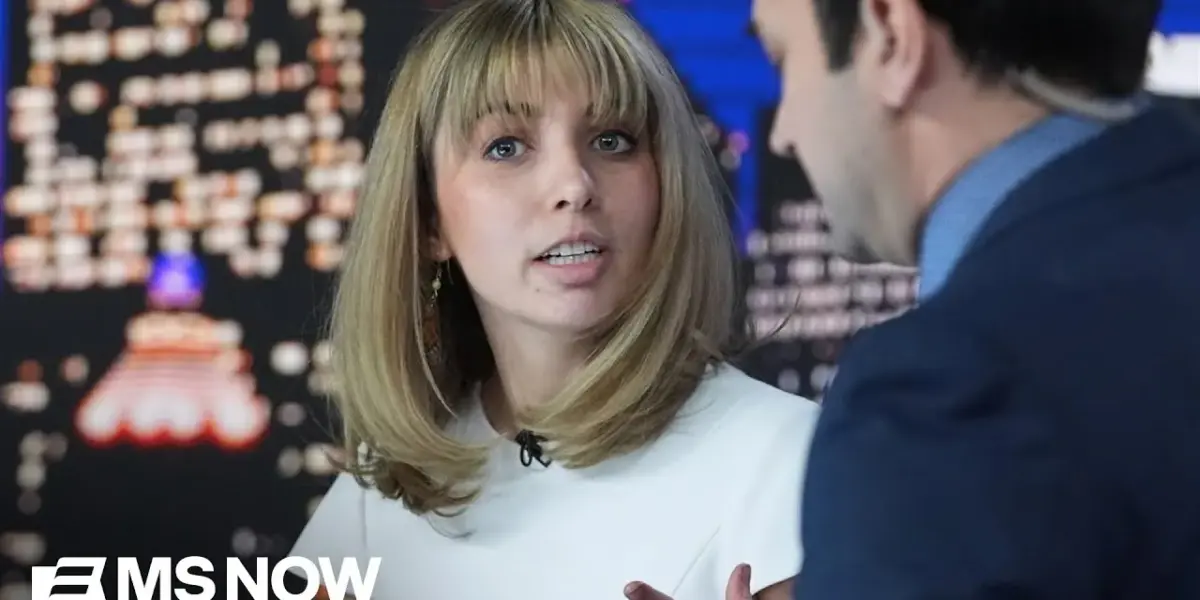
Dark Money Group Pays Influencers to Attack Candidate in Illinois Race
In a stunning revelation that sheds light on the shadowy world of political advertising, an investigation has uncovered a dark money group offering influencers $1,500 to create and post content attacking a leading Democratic candidate in Illinois’s Ninth Congressional District. The tactic, designed to circumvent traditional campaign finance regulations, highlights a new frontier in political influence operations.
The Offer and the Target
The operation came to light when a micro-influencer with approximately 100,000 followers received an email from Matt Antheis, an individual associated with a company called Advocators. Antheis offered the influencer $1,500 to post content on TikTok and Instagram that would be critical of candidate Katrina “Kat” Abagazala. Abagazala is a progressive candidate in the crowded Democratic primary to replace retiring Representative Jan Schakowsky.
The brief provided to the influencer was crafted to appear as a request for general voter education rather than an explicit endorsement or attack. It instructed the influencer to encourage people to “explore their options” and “not be swayed by any influencers,” while offering six specific talking points to “highlight more than one” that were critical of Abagazala. This strategy appears designed to skirt Federal Election Commission (FEC) rules by not directly asking for candidate endorsement.
“We’re not asking you to do any candidate. We just want you to tell people to explore their options and not be swayed by any influencers like Like, Abugazala. Here are six things that you can say. Please highlight more than one.”
Abagazala, upon reviewing the provided talking points, described them as “slanderous” and “false claims.” The influencer, identified as Amanda, declined the offer, citing ethical concerns.
Unmasking the ‘Dark Money’ Source
Further investigation into the source of the funds revealed the entity behind the offer: a group called “Democracy Unmuted.” Antheis described it as a “really important Illinois organization” that is “very powerful.” However, checks of the Democracy Unmuted website revealed a hastily constructed site launched only two weeks prior, featuring generic slogans like “democracy fight.” The website included a non-functional jot form, suggesting a lack of transparency and a potentially ephemeral operation.
Despite the questionable nature of Democracy Unmuted, the investigation found evidence that other influencers may have accepted the payment. One such influencer, known as “The Woke Ginger,” posted a video urging viewers to “look past viral personalities” and “ask who is running and why.” While the influencer did not disclose being paid, the timing and content of the video raised suspicions. After being contacted by the reporter, The Woke Ginger took down the video, apologized to candidate Abagazala, and stated it “did not meet my standards.” When pressed about payment, the influencer initially denied being paid, but then became evasive when asked if they were offered money, ultimately ceasing communication.
The Broader Landscape of Dark Money in Politics
This incident occurs against a backdrop of significant dark money spending in the Illinois Ninth Congressional District race. Super PACs, including those backed by the American Israel Public Affairs Committee (AIPAC) like Elect Chicago Women, have poured millions of dollars into the race. These groups have supported candidates like Laura Fine and, at times, attacked others, including Daniel Biss and Kat Abagazala.
The total Super PAC spending in the race has approached $6 million, with a substantial portion benefiting Fine. The lack of transparency inherent in dark money operations means the ultimate sources of these funds remain undisclosed, making it difficult to track influence and hold actors accountable under current FEC regulations.
“The way that dark money works is so insane and insidious… we don’t know anything like this is not under fec regulations and we’re just at the beginning of this kind of thing.”
Experts note that while dark money has been a feature of political campaigns for years, its scale and methods are rapidly evolving. The increasing reliance on social media and the potential integration of AI tools, as touted by marketing firms like Advocators, suggest that such operations will become more sophisticated and pervasive. The use of AI, coupled with the reach of micro-influencers, could allow for highly targeted and difficult-to-trace political messaging.
The Future of Online Political Influence
The investigation underscores a growing concern about the manipulation of online discourse and the impact of undisclosed funding on electoral outcomes. The convergence of social media, influencer marketing, and potentially AI-powered campaigns presents a significant challenge to democratic transparency. Without substantial campaign finance reform or robust investigative journalism, the influence of dark money in politics is likely to grow, operating in increasingly opaque ways.
The efforts of journalists and informed individuals to uncover and expose these tactics are crucial. As reporter Brandi Zidrozny noted, “Unless there’s like campaign finance reform out the wazoo… Or you ferret it out and call it out at least.” The hope lies in continued vigilance and the willingness of individuals to come forward and shed light on these hidden operations, as exemplified by the micro-influencer who initially received the offer.
Source: Dark money group offers influencers $1,500 for posts attacking Dem candidate (YouTube)

Related Articles

Lindell Faces Court Contempt Over Unpaid Fine
My Pillow CEO Mike Lindell has been held in contempt of court for refusing to pay a $56,000 fine to Smartmatic. The fine stems from his failure to comply with discovery requests in a defamation lawsuit. Lindell's claims of poverty are contrasted with his spending on his governor campaign, raising questions about campaign finance laws.

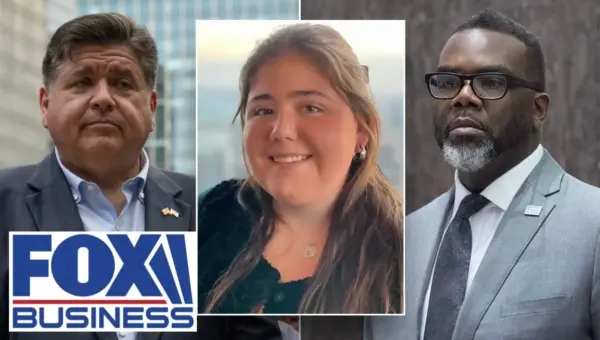
Family Blasts Illinois Leaders After Daughter’s Murder
The family of Sheridan Gorman, an 18-year-old student murdered in Chicago, has strongly criticized Illinois political leaders for their delayed and inadequate responses. They accuse Governor Pritzker and Mayor Johnson of being out of touch, especially after officials unveiled an "Abolish ICE" snowplow shortly after the killing. The incident has reignited debates about sanctuary city policies and their impact on public safety.
Congresswoman Faces Ethics Probe Over Alleged $5 Million Fraud
Representative Sheila Cherfilus-McCormick faces a House Ethics Committee hearing and federal indictment over alleged $5 million FEMA fund diversion. Prosecutors claim the funds meant for COVID-19 vaccinations were used to bankroll her 2021 campaign. This case highlights concerns over political funding integrity and government fund oversight.