Hegseth’s Iran War Claims Unravel Amid Escalating Conflict
Pete Hegseth's recent statements on the Iran conflict reveal a stark contradiction, questioning the narrative of controlled escalation versus widening war. His claims of increased strikes clashed with his dismissal of a widening conflict, highlighting the challenges of discerning truth in geopolitical discourse.

Hegseth’s Iran War Claims Unravel Amid Escalating Conflict
In a rapidly developing geopolitical landscape, statements made by commentators can quickly become scrutinized, especially when they appear to contradict themselves in real-time. This was precisely the case with Pete Hegseth’s recent remarks concerning the escalating tensions with Iran. While asserting President Trump’s strategic control over the conflict, Hegseth simultaneously offered a narrative that seemed at odds with the very reality he was describing, raising questions about the administration’s messaging and the media’s interpretation of events.
The Contradictory Statements
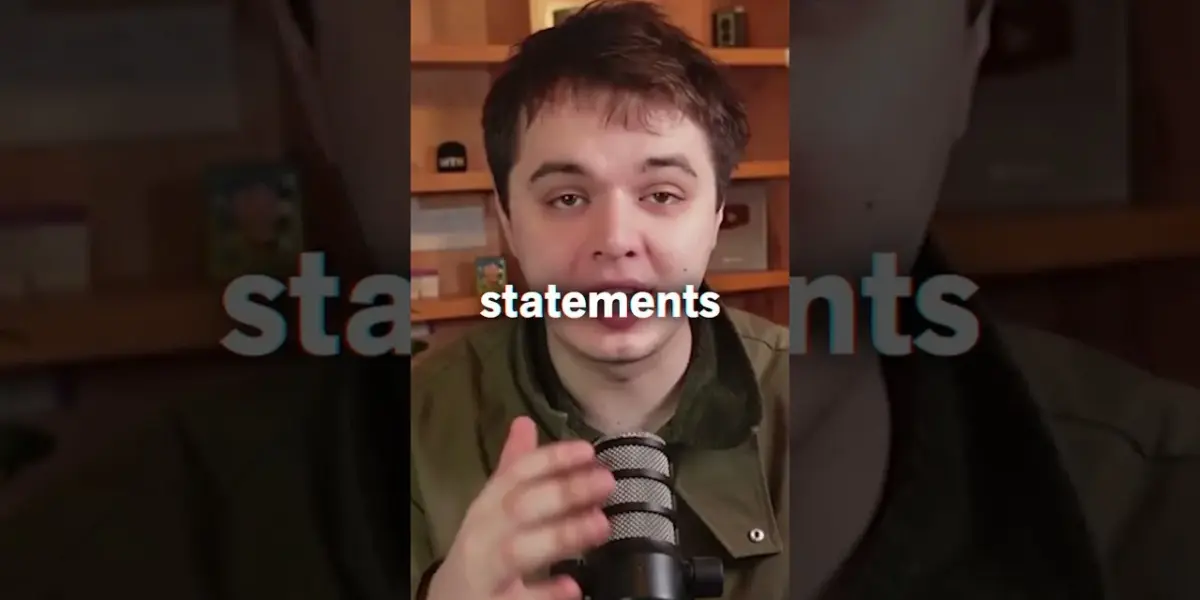
The core of the issue lies in two seemingly irreconcilable statements made by Hegseth. Initially, he declared, “President Trump holds the cards. He’ll determine the pace, the tempo, and the timing of this conflict. In fact, today will be yet again the highest volume of strikes that America has put over the skies of Iran.” This statement positions the conflict as a controlled, strategic operation, with the United States dictating the terms and intensity of engagement. It suggests a calculated escalation, not a spiraling crisis.
However, mere moments later, Hegseth pivoted dramatically. Upon hearing the implication of widening conflict, he dismissed it as “another example of a fake headline that I saw yesterday. War widening. Here’s a real headline for you for an actual patriotic press. How about Iran shrinking, going underground?” This abrupt shift attempts to reframe the situation, portraying the actions not as an expansion of hostilities, but as a strategic containment of Iran.
Analyzing the Discrepancy
The juxtaposition of these two statements is stark. If, as Hegseth initially stated, the current day represents the “highest volume of strikes that America has put over the skies of Iran,” then by definition, the scale of military action is increasing. To then reject the notion that the “war is widening” and instead propose a narrative of “Iran shrinking, going underground” creates a significant logical disconnect. What else is a “highest volume of strikes” if not an indicator of an expanding or intensifying conflict?
Furthermore, Hegseth’s critique of the media for reporting on a widening war, labeling such reports as “fake headlines,” appears disingenuous in light of his own preceding statement. The very evidence he presented – the increased volume of strikes – supports the media’s narrative, not his counter-argument. The subsequent news of “Explosion heard and plumes of smoke rising from eastern neighborhoods in Syria homes” occurring as Donald Trump’s Middle Eastern war continues to escalate, further complicates Hegseth’s attempt to downplay the conflict’s expansion.
Historical Context and Escalation Patterns
The situation echoes historical patterns of conflict escalation, where initial actions, even if presented as limited or strategic, can have unforeseen consequences and lead to broader engagement. The Strait of Hormuz closing, coupled with struggling stock markets and skyrocketing oil prices, are all tangible indicators of a conflict that is having significant regional and global repercussions. These are not the hallmarks of a contained or shrinking adversary, but rather of a volatile and widening confrontation.
The tendency to downplay or reframe escalatory actions is not new in political discourse. Governments often seek to control the narrative surrounding military engagements, emphasizing strategic objectives and minimizing perceptions of uncontrolled expansion. However, when the factual basis for these reframings is challenged by the speaker’s own prior statements or by observable events on the ground, the credibility of the message erodes.
Why This Matters
This incident highlights several critical issues. Firstly, it underscores the challenge of discerning truth in a landscape saturated with competing narratives and strategic messaging. The ability of commentators, particularly those aligned with specific political viewpoints, to present contradictory information as fact raises concerns about media literacy and the public’s access to reliable analysis.
Secondly, it points to the potential disconnect between the pronouncements of political figures and the on-the-ground realities of conflict. While leaders may aim to project an image of control and strategic mastery, the complex and often unpredictable nature of warfare can lead to outcomes that defy initial intentions. The economic indicators and reports of further strikes suggest that the situation is far from the controlled, shrinking scenario Hegseth attempted to paint.
Implications, Trends, and Future Outlook
The implications of such contradictory messaging are significant. It can sow confusion among the public, undermine trust in both media and political figures, and potentially obscure the true nature and extent of military actions. In an era where information travels instantaneously, the ability to maintain a consistent and truthful narrative is paramount, especially concerning matters of war and peace.
The trend towards framing military actions in specific, often positive, ways, while potentially downplaying negative developments, is likely to continue. This emphasizes the need for critical consumption of news and commentary. Future outlooks suggest a continued need for rigorous fact-checking and a demand for transparency from all parties involved in geopolitical discussions. The events surrounding Hegseth’s statements serve as a potent reminder that the language of war is as complex and contested as the conflict itself.
Ultimately, the discrepancy in Hegseth’s statements serves as a case study in the challenges of interpreting geopolitical events. The claim of “highest volume of strikes” is difficult to reconcile with the assertion that the “war is shrinking.” As events unfold, the public will continue to look for clarity, and the ability of commentators to provide it, rather than obfuscate, will be crucial.
Source: Pete Hegseth Instantly Contradicts Himself on Iran War #politics #fyp #new (YouTube)

Related Articles
Pentagon Chief Blocks Black, Female Officers’ Promotions
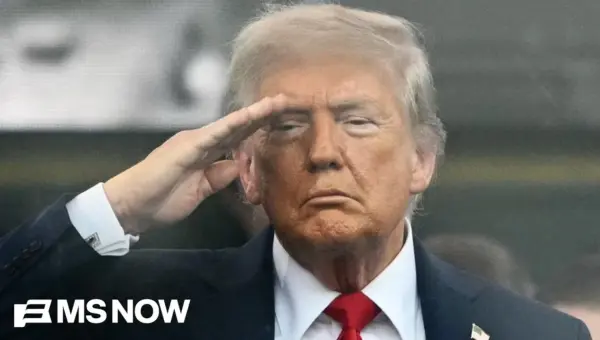
Pentagon chief Pete Hegseth is reportedly blocking the promotions of four Army officers, two Black and two women, to one-star general. This decision follows reports of alleged discriminatory remarks made by a top aide to Secretary Hegseth regarding President Trump's comfort standing with Black female officers.
G7 Allies Clash Over Iran War Strategy, Urge Focus on Russia
G7 foreign ministers met in Paris, revealing deep divisions over the U.S. war with Iran. European allies urged the U.S. to pressure Russia, linking its actions to the conflict and fearing support for Ukraine will wane.
Iran Blocks China Ships, Exposing Beijing’s Weak Grip
Iran's recent decision to block Chinese ships at the Strait of Hormuz is exposing the limits of Beijing's influence in the Middle East. This action is causing delays and cancellations for Chinese manufacturers, turning a perceived geopolitical win into an economic strain.