Judge Rejects Trump’s Fed Chair Subpoenas as Harassment
A federal judge has quashed subpoenas issued by Donald Trump against Federal Reserve Chair Jerome Powell, ruling they were part of an illegal pressure campaign. The decision found "abundant evidence" the subpoenas' "dominant purpose is to harass and pressure Powell," marking a significant legal loss for the former president.

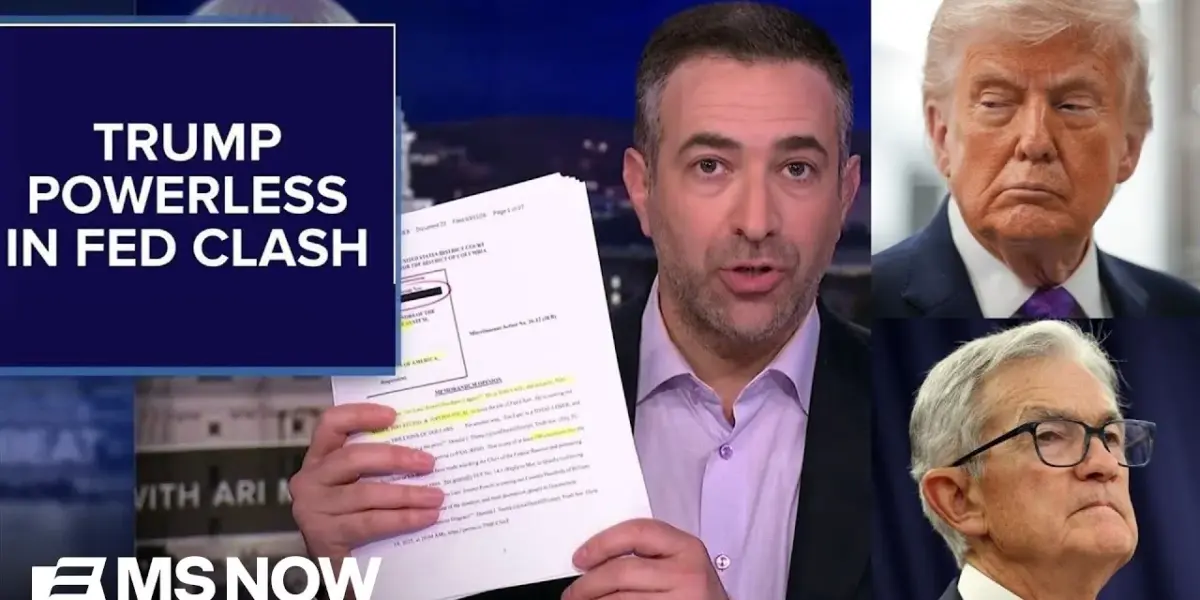
Federal Judge Blocks Trump’s Attempt to Pressure Fed Chair
In a significant legal setback for former President Donald Trump, a federal judge has quashed grand jury subpoenas aimed at Federal Reserve Chair Jerome Powell. The ruling, detailed in a blistering 25-page decision, found that Trump’s efforts constituted an illegal pressure campaign intended to harass and influence Powell’s monetary policy decisions, potentially to benefit Trump politically. The judge’s rejection underscores a pattern of Trump attempting to leverage federal powers and the Department of Justice against perceived adversaries.
“Dominant Purpose Is to Harass and Pressure”
The court’s ruling explicitly stated that there was “abundant evidence these subpoenas’ dominant if not sole purpose is to harass and pressure Powell.” The judge noted that the government had presented no evidence of Powell committing any crime, other than displeasing the former president. The subpoenas were seen as part of a broader strategy to compel Powell to either yield to Trump’s wishes or resign, making way for a Fed chair who would.
The judge writes, “There’s abundant evidence these subpoenas’ dominant if not sole purpose is to harass and pressure Powell, either to yield to the President or to resign and make way for a Fed chair who will.”
This judicial rebuke highlights the legal boundaries Trump has attempted to push, particularly concerning the independence of institutions like the Federal Reserve. The ruling confirms that Trump’s attempted subpoena was illegal, characterized by the court as a “pressure campaign” akin to previous alleged efforts by the Trump administration to target opponents and those who exercised First Amendment rights.
A Blow to “Revenge Efforts” and Midterm Hopes
The decision is being viewed as a major loss for Trump, particularly as it comes amid his ongoing efforts to influence political outcomes, including the upcoming midterm elections. The transcript suggests Trump sought to pressure the Fed into distorting interest rates to create a short-term economic boost, which he believed would aid his party’s electoral prospects.
The judge’s findings are seen as a validation of the rule of law and a rejection of what some observers term “Trump revenge efforts.” The implications extend to the broader principle of institutional independence, particularly for bodies like the Department of Justice, which are expected to operate free from political interference.
Trump’s Use of Social Media Quoted Against Him
The ruling also notably incorporated Trump’s own public statements and social media posts, which were quoted as evidence against him. These statements revealed his desire for the Fed to alter economic policy in his favor, directly linking his public pronouncements to the legal scrutiny he faced.
Broader Implications for Institutional Independence
The case raises critical questions about the independence of key governmental institutions. The Federal Reserve, tasked with setting monetary policy, is designed to operate independently of political pressures to ensure economic stability. Similarly, the Department of Justice is expected to be impartial and free from presidential influence.
The judge’s strong language, including quoting Trump’s disparaging remarks about Powell-“Jerome, too late, Powell has done it again. He’s quote, too it’s too late and in all caps, too angry, too stupid and too political to have the job of Fed chair”-serves to underscore the extent of the attempted political interference.
Concerns Over Incompetence and “Flooding the Zone”
Commentators within the transcript expressed concern over Trump’s tendency to surround himself with individuals perceived as incompetent but loyal, often chosen for their perceived media presence rather than expertise. Figures like Kash Patel, Pam Bondi, and Jeanine Pirro were mentioned as examples of individuals whose appointments or actions were seen as driven by factors other than qualifications, potentially undermining the effectiveness and integrity of the institutions they were part of.
The tactic of “flooding the zone” with legal harassment efforts and probes was also criticized, with the judge’s ruling indicating that such actions, when deemed illegal, cross a significant line. This has led to discussions about accountability for those involved in such campaigns.
Looking Ahead: Accountability and Precedent
This ruling sets an important precedent regarding the limits of presidential power in attempting to influence independent institutions. As the legal landscape surrounding Trump’s actions continues to evolve, attention will remain on whether similar judicial decisions will emerge and what the broader implications will be for accountability and the preservation of democratic norms. The decision serves as a stark reminder that attempts to weaponize federal power for personal or political gain are subject to legal challenge and judicial review.
Source: Trump LOSES! 47's midterm 'Hail Mary' flames out as Judge rejects bid to 'harass' Fed Chair (YouTube)

Related Articles

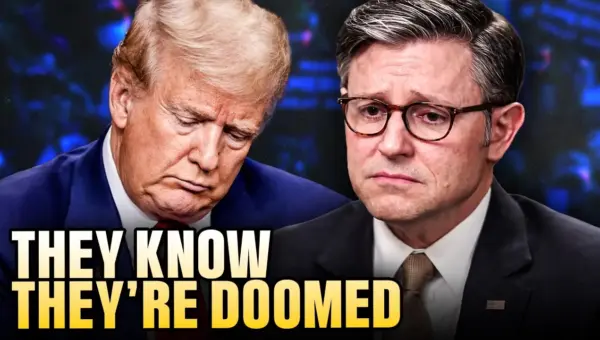
Polls Spell Doom: Republicans Face Voter Backlash
New polling data reveals a sharp decline in public confidence regarding the economic impact of Republican policies, particularly under Donald Trump. A significant majority now feel financially worse off, a trend that is especially pronounced among independent voters. This economic discontent poses a major challenge for the Republican party heading into future elections.

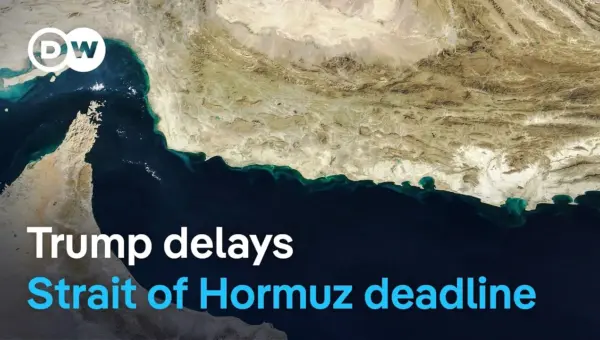
Trump Delays Iran Strike Deadline Amidst Shifting Diplomacy
President Donald Trump has extended his deadline for potential strikes on Iranian energy plants to April 6th, amid reports of U.S.-Iran diplomatic talks mediated by Pakistan. This move comes as Israel continues its strikes on Iran and the U.S. deploys additional military assets to the region. Analysts point to mixed signals, economic pressures, and strategic miscalculations as key factors shaping the evolving situation.
Iran War Claims Ring Hollow as US Troops Injured in New Attack
Days after Donald Trump claimed "we've won" the war with Iran, a new attack injured approximately a dozen U.S. troops and damaged aircraft. This incident contradicts Trump's assertions of victory and raises serious questions about the strategy and reality of the ongoing conflict.